

Ouch! Who hasn’t felt the effects of a paper cut and then cursed the gods or themselves for the injury? But have you ever wondered why they hurt so much? A professor of family medicine explains why.
Articles on Pain
Displaying 161 - 180 of 263 articles
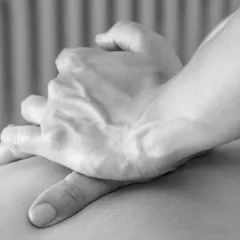
There’s some evidence osteopathy can reduce the need for pain medications.

Two neuroscientists explain the cruel chemistry of opioid addiction and why this crisis could last a lifetime.
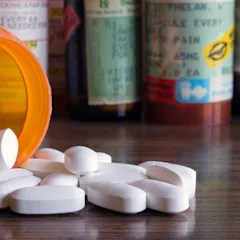
Most countries need to find a happy balance between the American attitude that all pain needs to be cured – and the ethos in other countries that pain is to be endured.
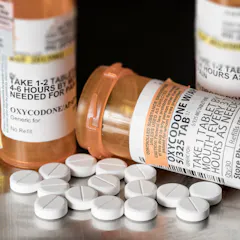
Scientists have taken atomic resolution snapshots of an opioid receptor interacting with a drug. Now they are using these images to design “biased” opioids that block pain without the dangerous side effects.

As knowledge of pain and the highly addictive nature of opioids has grown, so has the knowledge grown about pain and its origins. A pain specialist explains the intricacies, and how treatment is changing as a result.
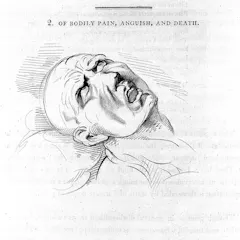
In today’s opioid crisis, why are some people with addictions treated with empathy and others with disdain? The answer to that question has roots in the 19th century.

Does your child hate their visits to the pediatrician? Do they psyche themselves into a panic that the shot will hurt? The best strategy to calm an anxious child may be to reframe their expectations.

Each person experiences pain differently, depending on his or her genetic makeup. That makes it difficult to figure out what treatments patients need.

Middle-aged and elderly people taking up exercise shouldn’t be put off by joint pain. It will pass.
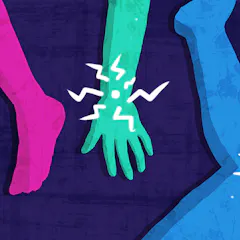
Trust Me I’m An Expert: The science of pain
The Conversation58.7 MB (download)
Our podcast Trust Me, I'm An Expert, goes beyond the headlines and asks researchers to explain the evidence on issues making news. Today, we're talking pain and what science says about managing it.
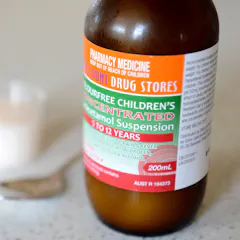
In short, pain medicine is able to block the processes that cause the feeling of pain. To understand why, you need to know a bit about how pain works.
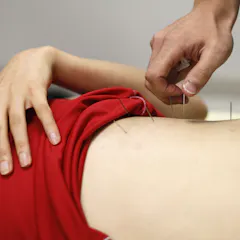
As the Olympics head to the Far East this month, two radically different approaches to training and treating athletes will be on display.
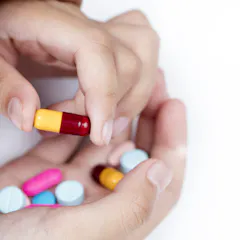
Australia is facing a critical public health issue of poorly managed pain. The result is more opioid-related deaths than the road toll.
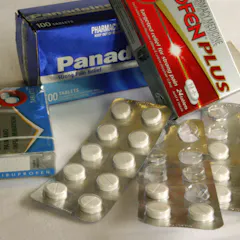
The claim there is no evidence painkillers combined with lower doses of codeine are more effective in treating pain, is misleading. As are others in this debate.

It’s a multi-lingual effect.

We no longer perform surgery on babies without drugs, but a new study shows that we may be underestimating how much pain babies feel when they are under stress.

Excruciating pain at the end of life is extremely rare. The evidence shows pain and other symptoms, such as fatigue, insomnia and breathing issues, actually improve as people move closer to death.
CC BY-ND16.4 MB (download)
Pain is something everyone experiences. This episode of The Anthill podcast explores how and why it works in our brains, what kinds of drugs are being developed to reduce pain, and whether or not robots of the future should be built so that they experience pain.

For centuries, in Western societies, ‘euthanasia’ referred to a pious death, blessed by God. The pain that could accompany dying was seen as ultimately redemptive.
Top contributors
-

Conjoint Clinical Associate Professor, Deakin University School of Medicine and Specialist Pain Medicine Physician, Deakin University
-
Associate Professor of Physiotherapy, University of Technology Sydney
-
Bradley Distinguished Professor, Adelaide University
-
Associate Professor at NICM Health Research Institute, Western Sydney University
-
Professor of Psychology, University of Bath
-
Professor of Medical and Feminist Anthropology, Birmingham City University
-
Professor in Neuroimmunopharmacology, Adelaide University
-
Reader in Clinical Health Psychology & Science, Medicine & Society Network, UCL
-
Associate Professor and Psychologist in Pediatric Pain, University of Calgary
-
Assistant Professor, University of Connecticut School of Nursing; Assistant Director, UCONN Center for Advancement in Managing Pain, University of Connecticut
-
Associate Professor of Anesthesiology, University of Colorado Anschutz
-
Lecturer in the School of Physiology, Faculty of Health Sciences, University of the Witwatersrand
-
Senior Research Officer, Neuroscience Research Australia
-
Clinical pharmacist and Scientia Associate Professor at the National Drug and Alcohol Research Centre, UNSW
-
Honorary Senior Research Fellow, University of Oxford