

Having already had depression or anxiety increases the risk of developing persistent pain, and developing a chronically painful condition dramatically increases chances of becoming depressed.
Articles on Pain
Displaying 201 - 220 of 263 articles

Most people find the sight of blood or a hypodermic needle enough to cause some discomfort, but why is it that some people faint when they’re faced with them?
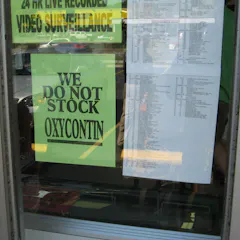
The sources of the opioid epidemic are complex, but one powerful motivator has been the pursuit of profit.

Could the future of pain relief be all about virtual reality games and clinics designed to promote certain sounds and colours?

Growing pains are the most common childhood musculoskeletal condition resulting in frequent visits to healthcare professionals.
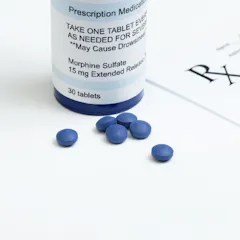
Why are so many people in dire need of pain relief unable to access the powerful painkillers that are so commonly prescribed in the United States?

New research highlights how the pain of a breakup can linger for years.

This was the year of the health review – mental health care, Medicare, private health insurance, the pharmacy industry … and the list goes on. But how much movement was there on policy?

Unexplained, chronic pain known as fibromyalgia affects up to 5% of the population. Yet there are no effective treatment options for the millions for whom each day begins with persistent pain.
When you’re in pain, it’s hard to think about anything else. In many cases, it won’t go away until you take something for it, but how do you know what type and strength to take?

People in pain are subject to the ways their cultures have trained them to experience and express pain.

More women than men suffer from chronic pain, that is, pain that persists for more than six months. In addition, much of this pain remains undiagnosed or untreated.
Listen carefully to the language that surrounds people with pain. Listen to how you talk about them. Are you increasing their disability by using well-intentioned pain cliches?

“Psychosocial” factors such as education levels affect how much pain you will experience.

A significant decider of why some manage with chronic pain and some are disabled is the way their partners respond to them.
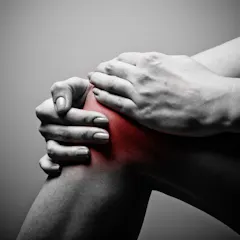
Pain scientists are reasonably agreed that pain is an unpleasant feeling in our body that makes us want to stop and change our behaviour.

There really is no reason to be a wallflower. Dancing could lower your pain threshold, help you make friends and even find a romantic partner.
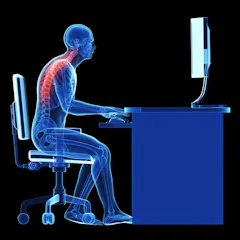
We often think of posture as a physical thing – but our minds play a crucial part too.

We’ve learned a lot about how music can help with pain and a score of other clinical problems. But with chronic pain affecting a quarter of us, it’s an area that has received too little attention.

Yeast can produce opioid from sugar but although a proof of concept, we’re still far away from production at scale.
Top contributors
-

Conjoint Clinical Associate Professor, Deakin University School of Medicine and Specialist Pain Medicine Physician, Deakin University
-
Associate Professor of Physiotherapy, University of Technology Sydney
-
Bradley Distinguished Professor, Adelaide University
-
Associate Professor at NICM Health Research Institute, Western Sydney University
-
Professor of Psychology, University of Bath
-
Professor of Medical and Feminist Anthropology, Birmingham City University
-
Professor in Neuroimmunopharmacology, Adelaide University
-
Reader in Clinical Health Psychology & Science, Medicine & Society Network, UCL
-
Associate Professor and Psychologist in Pediatric Pain, University of Calgary
-
Assistant Professor, University of Connecticut School of Nursing; Assistant Director, UCONN Center for Advancement in Managing Pain, University of Connecticut
-
Associate Professor of Anesthesiology, University of Colorado Anschutz
-
Lecturer in the School of Physiology, Faculty of Health Sciences, University of the Witwatersrand
-
Senior Research Officer, Neuroscience Research Australia
-
Clinical pharmacist and Scientia Associate Professor at the National Drug and Alcohol Research Centre, UNSW
-
Honorary Senior Research Fellow, University of Oxford