

Established drugs – such as heroin, cocaine and methamphetamine – continue to demand attention. Here’s what else the latest drug trends tell us.
Articles on Opioids
Displaying 1 - 20 of 222 articles

Evidence suggests that people who receive syringes from a needle exchange are less likely to dispose of them improperly.
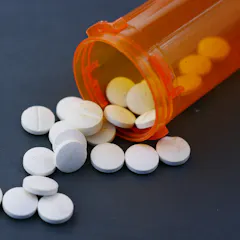
Patients in Indonesia cannot access medical opioids because the government fears drug misuse.

Most people credit policing or the lack of it, but the real story tracks three trends that rose and fell together.

We have always doubted patients who say they are in pain. Now we have a machine to do it for us.

London Falling is well worth reading – but could have matched this star reporter’s masterpieces if it had ranged more widely.

Codeine is one of the UK’s most familiar painkillers, yet the same dose can be helpful, useless or risky depending on how a person’s body processes it.

Conflicting claims about kratom are widespread, but scientific evidence makes the risks clear.

Naloxone is a safe and effective medication used to reverse the effects of an opioid overdose. It can be administered to dogs in either the nasal spray or injection formulations.

Black patients were less likely to receive higher doses. This may reflect inequities in health care or misconceptions among patients that higher doses are unsafe.

The opioid reversal drug is distributed directly to new moms at many of Colorado’s birthing hospitals.

Substance use disorders are widespread in the US, but many people wrongly equate detoxing with being cured.

New research suggests overdose prevention and supervised consumption sites are not consistently associated with increases in local crime.

There is no evidence that US intervention in Venezuela will lead to a meaningful reduction in drugs flowing into the United States.
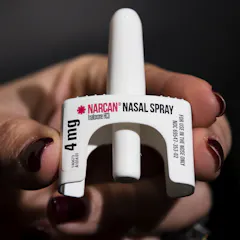
Naloxone can reverse an overdose in minutes, but exactly how it does this at the molecular level has previously been unclear.
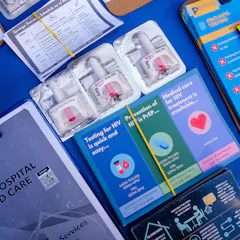
Local governments have a lot of freedom on how to spend the funds, but there’s also confusion and a feeling of moral responsibility to spend wisely after so many lives have been lost.

When the risks of taking prescribed opioids outweigh the benefits, it’s time to reduce your dose or stop. New research shows how to do this safely.

Two economists found links between the adoption of right-to-work laws and the opioid overdoses of working-age male teens and men.

These synthetic opioids are taking over from fentanyl, but even a tiny dose can be lethal.

Researchers hope that transparency around where the money is going will help counties use the funds more effectively.
Top contributors
-

Professor and Deputy Director, Monash Addiction Research Centre, Monash University
-
Professor, Institute for Musculoskeletal Health, University of Sydney
-
Professor of Neuropharmacology, University of Lancashire
-
Associate professor, Department of Family and Community Medicine, University of Toronto; York University, Canada; University of Sydney
-
Professor, Sydney School of Public Health, University of Sydney
-
Medical Director of Opioid Policy Research, Brandeis University
-
Professor of Geography, Penn State
-
Associate Professor of Sociology, Bentley University
-
Associate Professor of Emergency Medicine, Thomas Jefferson University
-
Adjunct Professor at the National Drug Research Institute (Melbourne based), Curtin University
-
Honorary Fellow, Department of Health Sciences, University of York
-
Associate Professor, School of Public Health, University of Sydney
-
Professor of Law, Indiana University
-
Senior Lecturer in Criminology, UNSW
-
Professor, National Drug Research Institute, Curtin University and Burnet Institute, Burnet Institute