

Did you know that trauma, even when there is no tissue or nerve damage, can cause chronic pain? Exactly how much pain and who is most vulnerable depends on which ‘stress genes’ we carry.
Articles on Pain series
Displaying all articles

Two neuroscientists explain the cruel chemistry of opioid addiction and why this crisis could last a lifetime.

Most countries need to find a happy balance between the American attitude that all pain needs to be cured – and the ethos in other countries that pain is to be endured.

Scientists have taken atomic resolution snapshots of an opioid receptor interacting with a drug. Now they are using these images to design “biased” opioids that block pain without the dangerous side effects.

As knowledge of pain and the highly addictive nature of opioids has grown, so has the knowledge grown about pain and its origins. A pain specialist explains the intricacies, and how treatment is changing as a result.
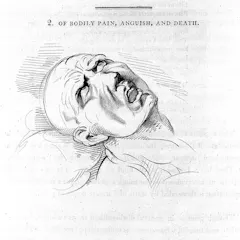
In today’s opioid crisis, why are some people with addictions treated with empathy and others with disdain? The answer to that question has roots in the 19th century.
Trust Me I’m An Expert: The science of pain
The Conversation58.7 MB (download)
Our podcast Trust Me, I'm An Expert, goes beyond the headlines and asks researchers to explain the evidence on issues making news. Today, we're talking pain and what science says about managing it.

Having already had depression or anxiety increases the risk of developing persistent pain, and developing a chronically painful condition dramatically increases chances of becoming depressed.

Unexplained, chronic pain known as fibromyalgia affects up to 5% of the population. Yet there are no effective treatment options for the millions for whom each day begins with persistent pain.

Pain during labour and birth is a complex combination of physical and psychological factors.
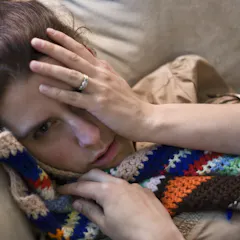
When you’re in pain, it’s hard to think about anything else. In many cases, it won’t go away until you take something for it, but how do you know what type and strength to take?

People in pain are subject to the ways their cultures have trained them to experience and express pain.
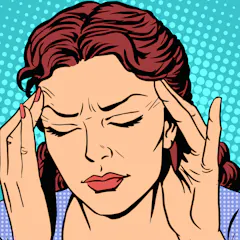
More women than men suffer from chronic pain, that is, pain that persists for more than six months. In addition, much of this pain remains undiagnosed or untreated.

Listen carefully to the language that surrounds people with pain. Listen to how you talk about them. Are you increasing their disability by using well-intentioned pain cliches?

“Psychosocial” factors such as education levels affect how much pain you will experience.

A significant decider of why some manage with chronic pain and some are disabled is the way their partners respond to them.

Pain management is one of the most neglected aspects of health care; our failure to adequately address chronic pain is a major driver of its economic and social burden.
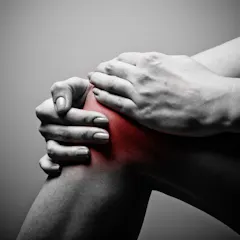
Pain scientists are reasonably agreed that pain is an unpleasant feeling in our body that makes us want to stop and change our behaviour.
Top contributors
-

Bradley Distinguished Professor, Adelaide University
-
Conjoint Clinical Associate Professor, Deakin University School of Medicine and Specialist Pain Medicine Physician, Deakin University
-
Professor, Pain Management Research Institute, University of Sydney
-
Professor, University of Sydney
-
Senior Lecturer, University of Technology Sydney
-
Director, Centre for Integrated Preclinical Drug Development and Professor of Pharmacy, The University of Queensland
-
Doctoral candidate, medical sciences (neuroscience), University of South Florida
-
Postdoctoral Research Associate at Department of Pharmacology, University of North Carolina at Chapel Hill
-
Clinical Associate Professor, Faculty of Medicine, Dentisty and Health Sciences, The University of Melbourne
-
Division Chief, Pain Medicine, Vanderbilt University
-
Associate Professor of History and Social Medicine, Florida State University
-
Professor and Deputy Director, Monash Addiction Research Centre, Monash University
-
Assistant Professor of Anesthesiology, University of North Carolina at Chapel Hill
-
Honorary Lecturer, Gynaecologist, Pain Medicine Physician, Laparoscopic Surgeon, Adelaide University
-
Neuroscientist, Monash University