

Scholars weigh in on the known and unknown about marijuana and its incarnations.
Articles on Pain
Displaying 101 - 120 of 263 articles

Recent evidence suggests it’s normal for young, healthy and active children to have flexible flat feet. And these flat feet will get less flat over time.

We researched how much difference opioids like codeine, oxycodone or morphine make to osteoarthritis pain. We found they helped about as much as paracetamol. Yet they are far more dangerous.

Restricting drug access can make the overdose crisis worse, not better. A bioethicist explains what that means for an ethical drug policy.

Opioids can cause death by slowing breathing to dangerously low levels, or stopping it altogether. Examining one area of the brain may eventually lead to safer painkillers.

GPs don’t always recognise the metaphors and similes women use to describe their pain – which could mean delays in a diagnosis.
Our research revealed around 40% of women with endometriosis have neuropathic pain – a type of pain that doesn’t respond to traditional pain treatments.

These discoveries could help us treat a variety of conditions in the future – including chronic pain.

Free doughnuts and lotteries may drive some people to get their COVID-19 vaccine. But for those who are afraid of needles, other interventions may be necessary.

Some people with back pain see immediate benefits from stretching.

Both male and female observers are susceptible to the false belief that women exaggerate their pain.

While the mobilization of mathematical literacy can be a powerful tool in the context of social movements, there is also dangers in numerating violence and pain.

Weed, though far less dangerous than many other drugs, is not entirely without risk. Some 59% of people treating pain with medical cannabis experience moderate to severe withdrawal symptoms

In children’s media, pain is depicted alarmingly frequently, usually unrealistically and often violently, but without empathy or help. These images of pain send all the wrong messages.

Finding a more personal and expressive way to talk about pain can empower sufferers and may help diagnose some conditions.

Anaesthesia aims to relieve labour pains, whereas natural methods aim to help women cope with it. What does the evidence say about the options?

Animals that regularly dine on toxic food may hold clues for designing new drugs to treat persistent pain in humans.
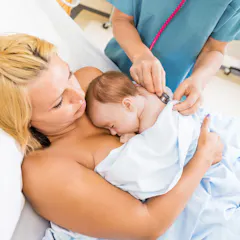
There are effective ways to help reduce babies’ pain during blood draws and injections, but they are used in less than 50 per cent of newborns. Here’s how to ease your infant’s pain.

Vaginismus is one of the leading causes of painful sex. Many people haven’t even heard of it, but vaginismus is extremely common and it can have a huge impact on women, their partners and relationships.
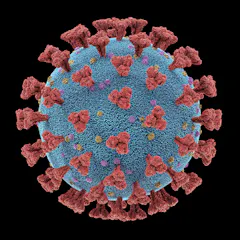
Scientists in the UK and Germany discovered a new doorway that the COVID-19 virus uses to infect human cells. This reveals new therapeutic possibilities for blocking the virus.
Top contributors
-

Conjoint Clinical Associate Professor, Deakin University School of Medicine and Specialist Pain Medicine Physician, Deakin University
-
Associate Professor of Physiotherapy, University of Technology Sydney
-
Bradley Distinguished Professor, Adelaide University
-
Associate Professor at NICM Health Research Institute, Western Sydney University
-
Professor of Psychology, University of Bath
-
Professor of Medical and Feminist Anthropology, Birmingham City University
-
Professor in Neuroimmunopharmacology, Adelaide University
-
Reader in Clinical Health Psychology & Science, Medicine & Society Network, UCL
-
Associate Professor and Psychologist in Pediatric Pain, University of Calgary
-
Assistant Professor, University of Connecticut School of Nursing; Assistant Director, UCONN Center for Advancement in Managing Pain, University of Connecticut
-
Associate Professor of Anesthesiology, University of Colorado Anschutz
-
Lecturer in the School of Physiology, Faculty of Health Sciences, University of the Witwatersrand
-
Senior Research Officer, Neuroscience Research Australia
-
Clinical pharmacist and Scientia Associate Professor at the National Drug and Alcohol Research Centre, UNSW
-
Honorary Senior Research Fellow, University of Oxford