

Our reaction can teach a child how to read their body signals and whether feelings are safe to feel.
Articles on Pain
Displaying 21 - 40 of 263 articles
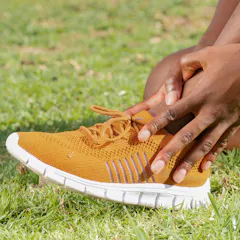
As you step out, you trip and land awkwardly. You think you’ve twisted your ankle. Or is a sprain? What’s the difference anyway?
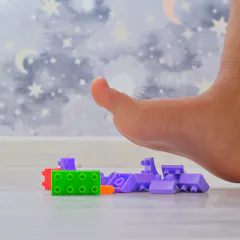
When you curse after stubbing your toe, you’re not losing control – you’re activating ancient neural circuits that help your body cope with pain.

Many different types of stress can trigger a headache. Luckily, there are treatments that can help stop your head from pounding.

When the risks of taking prescribed opioids outweigh the benefits, it’s time to reduce your dose or stop. New research shows how to do this safely.

Can musical training rewire the brain to resist pain?

A new survey shows children’s chronic pain is often dismissed as anxiety or attention-seeking.

The number of Australians who say they experience bodily pain has risen over the past two decades. Gender, age and income all make a difference.

Your brain and body constantly recalibrate what ‘hard’ feels like. The effect of overcoming one small challenge can ripple forward, making the next challenge feel more doable and even rewarding.
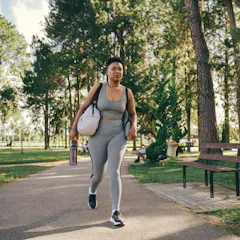
Around 41% of us have noisy knees. Here’s what we know about these clicks.

Declawing cats causes irreversible nerve damage and chronic pain. New research from Quebec concludes it should be banned.
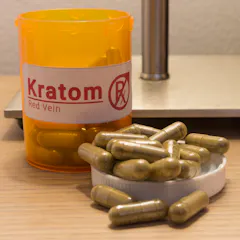
Kratom, an herbal product, is a remedy to some and a risk to others.

The folktale, ‘The Bird Indifferent to Pain,’ offers insight into why audiences are drawn to the relentless jester – a comedic trope that has endured across cultures.

As more and more people receive medicinal cannabis prescriptions, we’re left with a system that is misaligned with its original purpose.

The brains of infants may process pain differently from those of adults. What any of this feels like we still don’t know.
Chronic pain affects millions of people in the US. Targeting an oft-overlooked brain receptor could one day offer relief.

Chronic pain in children is common. Effective solutions exist − and training community providers is one way to get treatment to kids who need it.

Empathy affords us a more accurate understanding of others’ experiences and emotions. Just like pain, it can be hard to bear – but that’s also the source of its strength.

People with back pain are increasingly accessing emergency health care that isn’t required and may leave them worse off.

Physiotherapy can help with some types of headaches, alongside medical management. If you get frequent headaches or have a new or unusual headache, see a doctor.
Top contributors
-

Conjoint Clinical Associate Professor, Deakin University School of Medicine and Specialist Pain Medicine Physician, Deakin University
-
Associate Professor of Physiotherapy, University of Technology Sydney
-
Bradley Distinguished Professor, Adelaide University
-
Associate Professor at NICM Health Research Institute, Western Sydney University
-
Professor of Psychology, University of Bath
-
Professor of Medical and Feminist Anthropology, Birmingham City University
-
Professor in Neuroimmunopharmacology, Adelaide University
-
Reader in Clinical Health Psychology & Science, Medicine & Society Network, UCL
-
Associate Professor and Psychologist in Pediatric Pain, University of Calgary
-
Assistant Professor, University of Connecticut School of Nursing; Assistant Director, UCONN Center for Advancement in Managing Pain, University of Connecticut
-
Associate Professor of Anesthesiology, University of Colorado Anschutz
-
Lecturer in the School of Physiology, Faculty of Health Sciences, University of the Witwatersrand
-
Senior Research Officer, Neuroscience Research Australia
-
Clinical pharmacist and Scientia Associate Professor at the National Drug and Alcohol Research Centre, UNSW
-
Honorary Senior Research Fellow, University of Oxford