
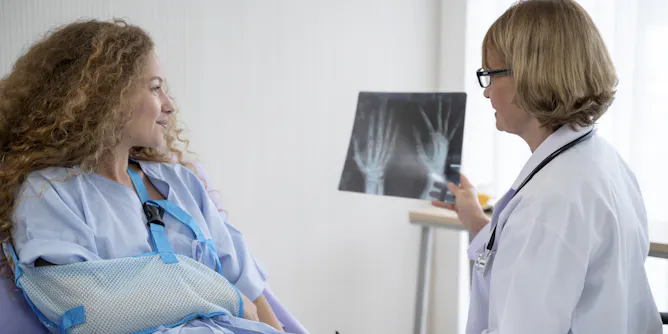
Bones are living tissues that constantly rebuild, repair and help the body stay in balance.
Articles on Osteoporosis
Displaying 1 - 20 of 39 articles
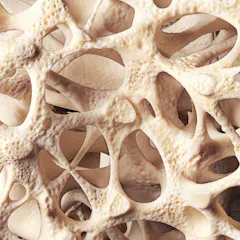
Osteopenia is a significant but often under-recognised public health issue.
Are weighted vests more than a fitness fad? A health and exercise expert explains their potential benefits and limitations.
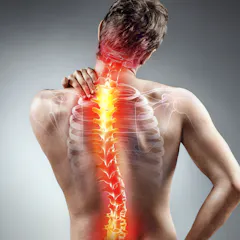
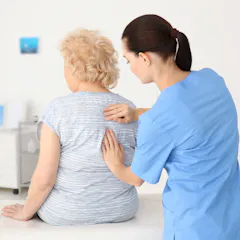
Pain can occur when the spine curves more than it naturally should.

The landmark study, which enrolled more than 160,000 participants and has informed public health guidelines for women over 50, is still making tremendous contributions to women’s health.
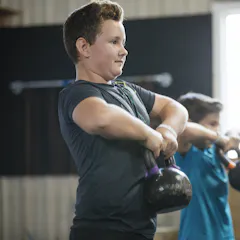
Strength training programs for young people can improve muscle tone, prevent obesity and develop good exercise habits that last into adulthood.
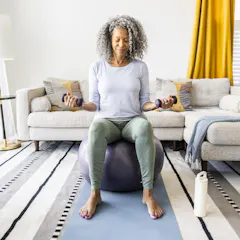
By 2030, more than 70 million Americans will have osteoporosis or low bone mass.
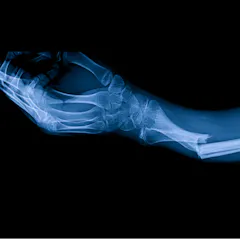
Abaloparatide mimics a natural hormone that plays a role in bone development.

Actor Jameela Jamil recently revealed that 20 years of dieting had left her with poor bone density.

Our skeleton is replaced approximately every ten years to ensure our bones stay strong and healthy.
As tempting as it is, it is not possible to “supplement” oneself out of a bad lifestyle.
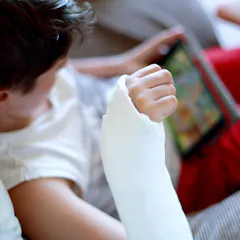
Research based on the longitudinal Dunedin Study suggests a history of childhood fractures could predict adult risk. The knowledge could lead to better awareness and prevention strategies.
As the world’s population ages, cheap, durable and safe artificial limbs will become ever more important.
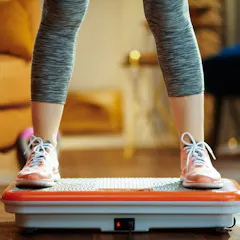
Whole-body vibration training is gaining interest as it’s easier to do than regular exercise.

Doctors don’t ‘check you for everything’, but are guided by what you personally would benefit from, based on your age and individual history.

Genes and environments almost always combine to influence our risk of diseases. Research in twins has helped us understand how.
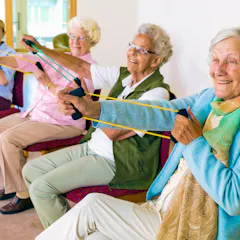
Without proper care, lockdown measures during the COVID-19 pandemic could worsen muscle loss and long-term health in ageing populations.

The timing of puberty can influence a child’s bone strength throughout adolescence and into early adulthood.

Research in mice shows that estrogen replacement therapy has the greatest chance of reducing cardiovascular disease risk if it is begun soon after menopause.
There is no treatment for osteoporosis, which affects millions of people and costs billions of euros every year. What if the solution was in the bile? Explanations.
Top contributors
-

Senior Research Manager, University of Sydney and Honorary Assistant Professor, Bond University
-
Professor of Anatomy, Lancaster University
-
Assistant Professor of Internal Medicine, University of Michigan
-
Head, Department of Medicine, School of Clinical Sciences; Professor of Medicine, Monash University
-
Professor of Clinical Endocrinology, King's College London
-
Senior Research Fellow, NHMRC Career Development Fellow, The University of Melbourne
-
Professor of Internal Medicine, University of Michigan
-
Professor of Genetic Epidemiology, King's College London
-
Honorary, Department of Medicine, The University of Melbourne
-
Honorary Professor at Sydney University & Conjoint Professor at UNSW, UNSW
-
Deputy Dean & Professor of Medicine, University of Auckland, Waipapa Taumata Rau
-
Visiting Academic, School of Pharmacy and Medical Sciences, Adelaide University
-
Clinical Lecturer, University of Michigan
-
Associate Research Professor, School of Pharmacy and Medical Sciences, Adelaide University
-
PhD Candidate, School of Pharmacy and Medical Sciences, Adelaide University