
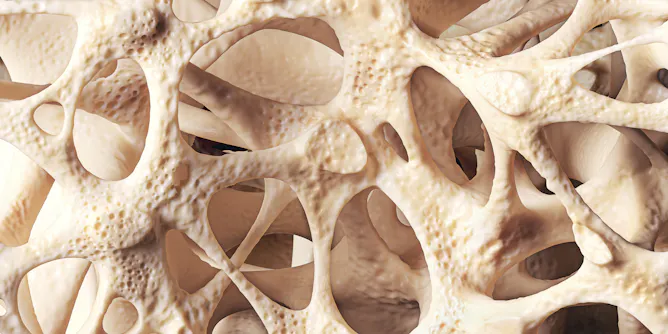
Osteopenia is a significant but often under-recognised public health issue.
Articles on Bone health
Displaying all articles

Vitamin D plays an important role in our health.

Osteoarthritis is increasingly diagnosed in younger, active people. Early detection could be key to reducing pain and long-term joint damage.

Joint noises are common and often misunderstood. A physiotherapist explains why they happen and what they do, and do not, mean.
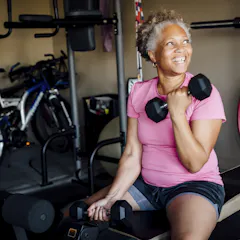
Bone density is strongly linked to your risk of a fracture.

Runners tend to have thicker cartilage in their knees – which cushions and protects the joint – compared to non-runners.
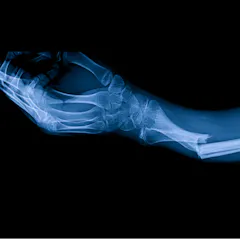
Abaloparatide mimics a natural hormone that plays a role in bone development.

Actor Jameela Jamil recently revealed that 20 years of dieting had left her with poor bone density.

In the UK, it’s recommended people aim to get at least 400IU of vitamin D a day.

Overall muscle fitness among children and teens hasn’t declined over the past several decades, but by some measures it’s not improving, either.

But more intense exercises – such as weightlifting – are still important for health and fitness.

Plantar fasciitis is a common injury.

The vitamin could also protect against sarcopenia, which affects more than 50 million people globally.

Jumping rope is short on time, fun, and good for your heart health.

Vitamin D has been shown to regulate the function of 229 genes in humans, suggesting that it plays many roles in maintaining health.

Grownups don’t get taller, but they can grow in other ways.

The timing of puberty can influence a child’s bone strength throughout adolescence and into early adulthood.
Bones protect our insides, help us to move and even help make our blood.
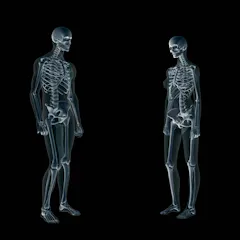
Fracture risk is higher in older women than men, but in adolescence the reverse is true. These differences mean our approach to managing bone health for men and women changes across the ages.
Top contributors
-

Lecturer in Exercise Science, Adelaide University
-
Visiting Academic, School of Pharmacy and Medical Sciences, Adelaide University
-
Professor of Biological Anthropology (Emeritus), Loughborough University
-
PhD Candidate, School of Pharmacy and Medical Sciences, Adelaide University
-
Associate Research Professor, School of Pharmacy and Medical Sciences, Adelaide University
-
Professor of Exercise and Sport Science, Adelaide University
-
Reader in Exercise and Health Physiology, University of Hertfordshire
-
Professor of Molecular Endocrinology, University of Birmingham
-
Lecturer in Sport, Exercise and Rehabilitation Science, Institute of Technology, Carlow
-
Professor of Anatomy, Lancaster University
-
Postdoctoral fellow, Carleton University
-
Professor of Nutritional Epidemiology, University of East Anglia
-
Epidemiologist, University of Bristol
-
Postdoctoral fellow, KEMRI Wellcome Trust Research Programme
-
Reader in Ageing Physiology, University of Westminster