
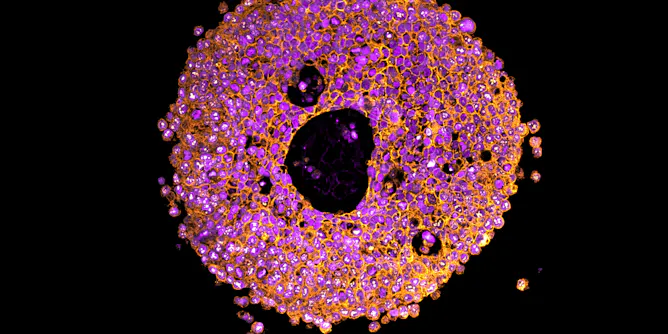
‘Placental organoids’ may help research into the early stages of pregnancy and life-threatening conditions like preeclampsia.
Articles on Organoid
Displaying all articles

Thousands of chemicals in industry haven’t been thoroughly tested for their safety and toxicity. Researchers are working to standardize quicker, cheaper and more ethical methods to assess chemicals.
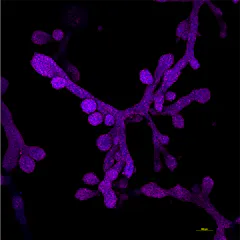
Organoids of mammary glands can help researchers more efficiently study lactation, with findings that could apply to fields ranging from agriculture to medicine.
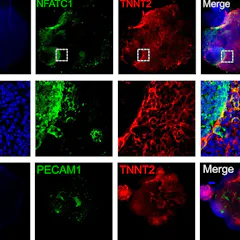
Human heart organoids allow researchers to study the developing heart while avoiding the ethical issues of using human embryos and the imperfections of animal models.
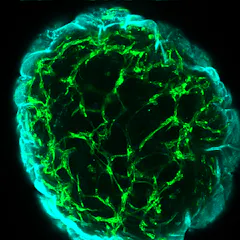
Organoids — clusters of specialized cells designed to mimic organs — enable researchers to study biological processes and the effects of drugs.
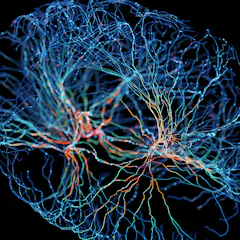
Glioblastoma is the most aggressive type of brain cancer, causing significant decline in cognitive function. New research suggests a common anti-seizure drug could help control tumor growth.
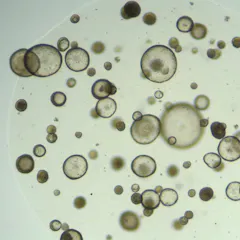
Next, researchers want to grow the tear glands of a crocodile – seriously.
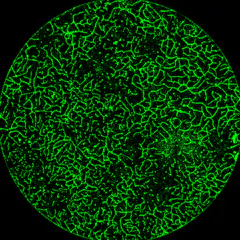
New strategy helps build synthetic organs from scratch. This enabled the researchers to grow functioning liver tissue in the lab that could be transplanted into mice with liver disease.
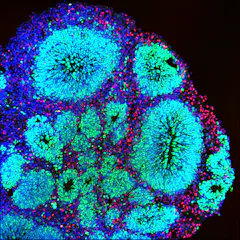
Brain organoids are tiny models that neuroscientists use to learn more about how the brain grows and works. But new research finds important differences between the model and the real thing.
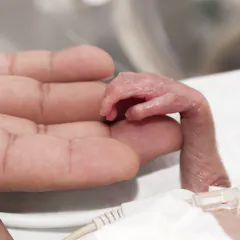
Science is creating new living matter – like stem cells grown to create brain tissues in the lab. With power comes responsibility and what matters is an ethical question, not a scientific one.
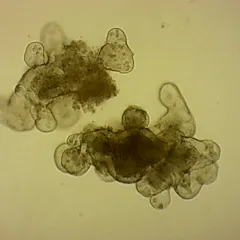
In the future, drugs will be tested on organoids – three-dimensional organ-parts grown in a dish.
Top contributors
-

Chen Su Lan Centennial Professor in Medical Ethics, National University of Singapore; Distinguished Visiting Professor in Law, University of Melbourne; Uehiro Chair in Practical Ethics, The University of Melbourne
-
PhD candidate in Molecular and Cellular Physiology, University of Liverpool
-
Lecturer in Bioethics, Monash University; The University of Melbourne
-
Postdoctoral Scholar in Regeneration Medicine, University of California, San Francisco
-
Professor, Medicine, Utrecht University
-
Associate Professor of Biomedical Engineering, Michigan State University
-
Postdoctoral Scholar of Regeneration Medicine, University of California, San Francisco
-
Postdoctoral Researcher in Quantitative Health Sciences and Engineering, Michigan State University
-
PhD Student, Hubrecht Institute, Utrecht University
-
Ph.D. Candidate in Biomedical Engineering, Michigan State University
-
Postdoctoral fellow, Penninger Lab, University of British Columbia
-
Associate Professor of Neurological Surgery, University of California, San Francisco
-
Postdoctoral Fellow in Neurological Surgery, University of California, San Francisco
-
Associate Professor of Pathology and Bioengineering, University of Pittsburgh
-
Professor of Neurology and Director of the Developmental and Stem Cell Biology Program, University of California, San Francisco