

Intelligence is an energetically expensive luxury. And a new study in Science shows meat has never been the main fuel source for our ancestors.
Articles on Brain development
Displaying 1 - 20 of 79 articles

If a young person trusts the system to deliver a just outcome, their brain’s urgent need for retribution is dialled down.

There’s a separate justice system for people under 18 because their brains are still developing. Treating them as adults can turn them into repeat offenders.
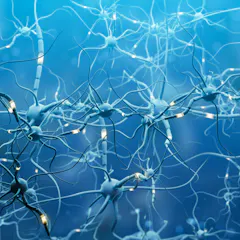
The claim that the brain, and particularly the frontal lobe, finishes developing at 25 is far less solid than social media would have you believe.
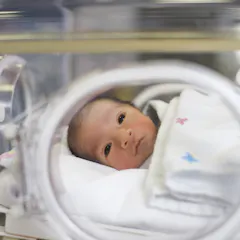
Preterm babies receive up to 16 painful procedures every day. Pain in early life has been linked to altered brain development and poorer cognitive outcomes.
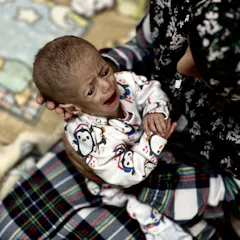
Starvation and malnutrition are harmful for anyone. But for infants the impact can be profound and lasting.

A quick scan with a smartphone or an online search can identify foods with lower levels of these toxic substances.

Recent generations may have taken safety for granted, but today’s youth are growing up in an era of compounded crises – and being safe is their priority.

Clumsiness can cause some children to withdraw from physical, sporting and leisure activities.

The brain finishes maturing at age 25-30, but most teenagers start drinking at just 14.

Social rewards, emotions and the chance to experience something new all have a strong bearing on children’s decisions in the moment — possibly more than whether it is right or wrong.

Research consistently shows access to early childhood education can effect literacy, schooling and life in general. Its relative absence in a budget supposedly focused on education is baffling.
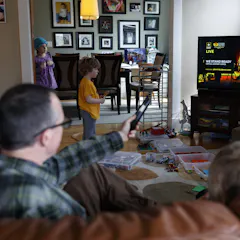
Most children will eventually consume news and current affair programs, but is there a way for parents to minimise the impacts of distressing media?

During the pandemic, many people relied on social media for distraction and social connection. However, excessive social media use can negatively affect mental health, especially for young people.

Studies show that smoking marijuana during pregnancy can lead to premature birth, lower birth weight and psychological problems in the newborn.

At about four, children start to understand that someone’s behaviour depends on what that person believes.

The impact of early childhood trauma on lifelong physical and mental health makes it urgent to invest in programs to support healthy pregnancies and stable, caring very early childhoods.

From figuring out where memories are stored to how sensory information translates to behavior, new technologies are helping neuroscientists better understand how the brain works.

Parents are often the primary source of information that children receive from their environment. How consistent parents’ interactions with their children are matters.

Children who grow up in disadvantaged areas seem to react more strongly to facial expressions showing anger or fear. But social connections between neighbours can help.
Top contributors
-

Assistant Professor of Mechanical Engineering, Binghamton University, State University of New York
-
Professor in Psychology, University of Florida
-
Professor of Psychiatry, The University of Melbourne
-
Assistant Professor of Computer Science, Binghamton University, State University of New York
-
Professor Physiology, Endocrinology, Muséum national d’histoire naturelle (MNHN)
-
Honorary Professor, School of Natural Sciences, Macquarie University
-
Founder, Everyday Neuro and formerly a Research Fellow at, Murdoch Children's Research Institute
-
Atkinson Chair of Early Child Development and Education and Director of the Atkinson Centre, University of Toronto
-
Lecturer in Psychology and Criminology, Edith Cowan University
-
Curtin Senior Fellow, Professor & Clinical Neuropsychologist, Curtin University
-
Professor, La Trobe University
-
Independent Researcher, University of Michigan
-
Postdoctoral research fellow, Macquarie University
-
Lecturer, University of Sheffield
-
Emeritus Professor at the MRC Centre for Regenerative Medicine, University of Edinburgh