
A new database includes more than 850 dissertations and theses, spanning everything from baseball slang and cigarette smoking to postage stamps and ballpark organs.
Articles on Organs
Displaying 1 - 20 of 36 articles

The appendix has independently evolved at least 32 times across 361 mammalian species. What makes it an evolutionary darling when it’s more of a medical liability today?

Macy’s announced it is closing its store in downtown Philadelphia. What’s next for the 120-year-old instrument once touted as ‘the greatest organ in the world’?

This rare case that has left many anatomists scratching their heads, and ignited discussions about typical human anatomy and anatomical variation.
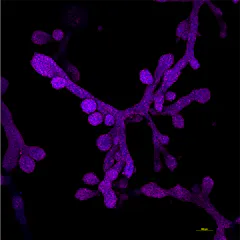
Organoids of mammary glands can help researchers more efficiently study lactation, with findings that could apply to fields ranging from agriculture to medicine.
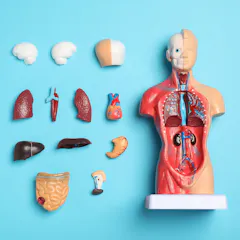
When organs are in the wrong place, misdiagnosis is a risk.
Approximately 6% of people have an extra nipple.
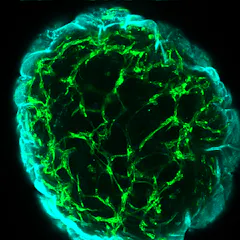
Organoids — clusters of specialized cells designed to mimic organs — enable researchers to study biological processes and the effects of drugs.
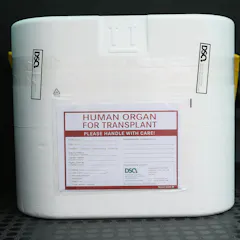
Demand for human organs has surpassed supply. This is leading to serious problems including a flourishing black market for organ trafficking.
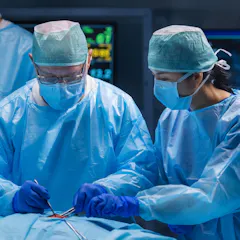
Every extra organ available for donation is potentially lifesaving. And it can be done safely and ethically.
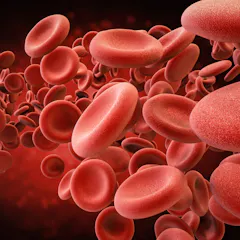
Lab-grown technologies may help change the way certain human diseases are studied and treated.
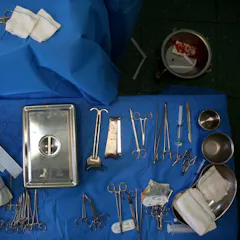
China’s industrial-scale organ trafficking practice has been executing prisoners of conscience and using their organs for transplantation for decades. This is known as forced organ harvesting.
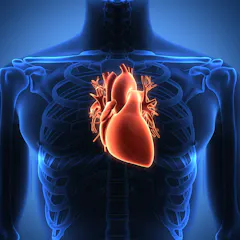
The heart used in the first pig-human transplant was infected with a pig virus. This reveals that using other species as organ donors may not provide a solution for organ shortages.

New developments in organ transplants from animals show promise. However, there has been no public engagement about a potential risk. It may streamline a pathway to humans for new zoonotic diseases.

Rather than distinctly male or female, the human brain is much more like the heart, kidneys and lungs – basically the same no matter the sex of the body it’s in.
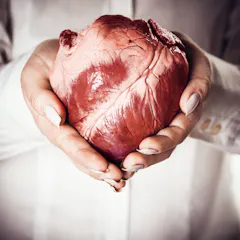
Printing organs could reduce the need for human donor organs. And 3D printed organs using a patient’s own cells would increase successful organ transplants by reducing the risk of rejection.
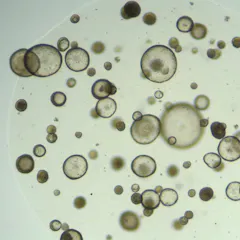
Next, researchers want to grow the tear glands of a crocodile – seriously.
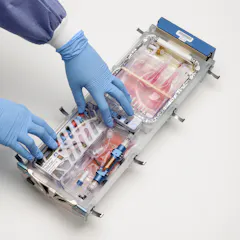
Why are scientists trying to grow organs at the International Space Station? People live on Earth not in zero-gravity. A stem cell expert explains why it is useful to do these experiments in space.
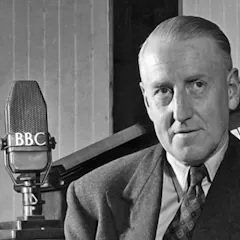
During the Second World War, anxious but also bored BBC listeners found comfort in the soothing sounds of Sandy Macpherson, Canadian-born organist.
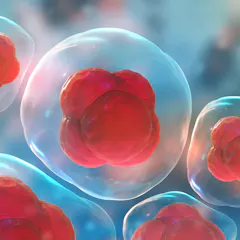
Our bodies are made up of cells that multiply to repair our organs. But organs like our liver and skin are better at regeneration than our brain.
Top contributors
-

Professor of Anatomy, Lancaster University
-
University of Washington
-
Senior Teaching Fellow, University of Warwick
-
Founding Director of the Wyss Institute, Harvard University
-
Senior Scientist and Deputy Scientific Director, IMBA
-
Associate Professor of Pharmaceutics, University of Washington
-
Lecturer, Macquarie University
-
Assistant professor, bioengineering, University of Pennsylvania
-
Research Assistant Professor of Pharmacy, University of Washington
-
Marie Curie Postdoctoral Fellow, IMBA
-
Postdoctoral research associate, The Gurdon Institute, University of Cambridge
-
Emeritus Professor at the MRC Centre for Regenerative Medicine, University of Edinburgh
-
Head: Cell Biology, Centre for HIV and STIs, National Institute for Communicable Diseases
-
Senior Research Assistant, WISERD, University of South Wales
-
Adjunct Associate Professor, Anatomy, UNSW