
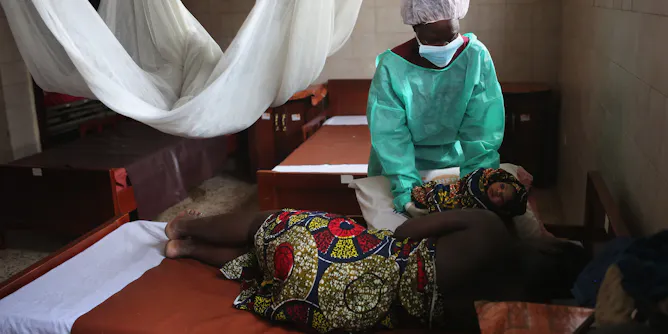
Breastfeeding mothers and their babies have largely been neglected in Ebola research. This needs to change.
Articles on Breast milk
Displaying 1 - 20 of 58 articles

The infant formula market in Australia and New Zealand is valued at about AU$500 million annually. But far less money goes towards supporting mothers to breastfeed.
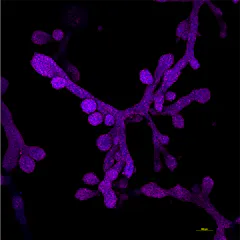
Organoids of mammary glands can help researchers more efficiently study lactation, with findings that could apply to fields ranging from agriculture to medicine.

Nipples might be most associated with breastfeeding – but they can tell us much more about our bodies and health
Identifying proteins that are only present in bodily fluids when a patient has breast cancer could provide a way to screen healthy people for the disease.

Feelings of failure, guilt, grief and despair are common, our study shows. But there is support.
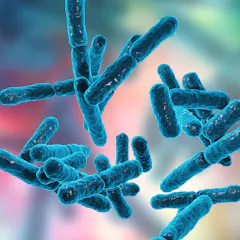
B breve has benefits for a baby from their first days of life.

Low-income mothers with infants are struggling with food insecurity, which can lead to long-term health impacts for both mothers and children.
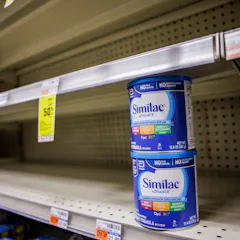
An infant nutrition expert explains the efforts to ensure there is enough baby formula for US consumption and the differences between domestic and imported produce.

An infant nutrition expert explains what is behind the current formula shortage and what can be done to support hard-pressed parents.
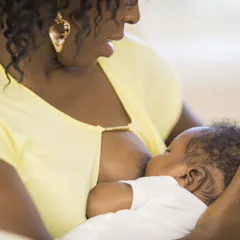
Kenya wants parents to be able to make more informed choices about feeding their babies.

With the high cost of infant formula, food-insecure mothers who cannot breastfeed are struggling to feed their babies.
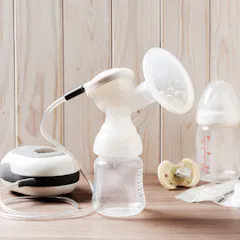
Companies are popping up selling expressed breast milk for profit.

There is immense interest in understanding whether potentially protective SARS-CoV-2 antibodies are provided to the baby via breast milk. This is what we know so far.
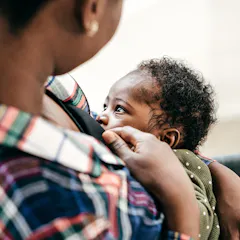
Prevalence of exclusive breastfeeding has increased across all countries but few are likely to meet the 2030 goal of 70%.

Around the globe, 823,000 child deaths could be prevented annually with appropriate breastfeeding. Formula makers continue to defy a 40-year-old international code on marketing their product.
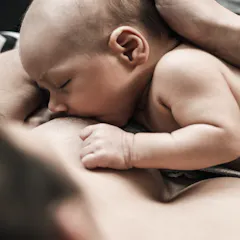
New European laws aimed at regulating trade in human milk products could be used to target person-to-person sharing of milk for babies.

Researchers don’t fully understand the composition of breast milk and its benefits. Beyond nutrition, it contains enzymes, hormones and the mother’s antibodies — including antibodies for COVID-19.

There is no evidence that the coronavirus is transmitted through breast milk, and breastfeeding is encouraged during COVID-19. However, the support available to new mothers has changed dramatically.
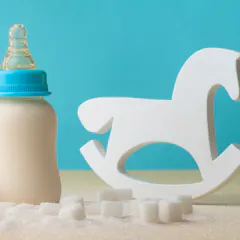
Researchers investigated 212 commercially available infant formula milk products on sale in 11 countries.
Top contributors
-

Professor of Child Public Health, Swansea University
-
Senior Lecturer, University of Essex; IF Senior Research Associate, Intellectual Forum at Jesus College in the University of Cambridge; Researcher for the Department of Social and Political Sciences, Bocconi University, University of Cambridge
-
Honorary Associate Professor, Australian National University
-
Professor in Breastfeeding Research, La Trobe University
-
Lecturer, University of the Free State
-
Senior Lecturer at York Business School, York St John University
-
Assistant Professor, Faculty of Nursing, University of Calgary
-
Professor of Pediatrics, The University of Texas at Austin
-
Associate Professor in Public Health and Wellcome Trust Career Development Fellow, Swansea University
-
Director, Children’s Health and Environment Program and World Health Organization Collaborating Centre for Children’s Health and Environment, The University of Queensland
-
Lecturer in Public Health Nutrition, Swansea University
-
Senior Lecturer and SAHMRI Fellow, Flinders University
-
Associate Professor, Adelaide University
-
Lecturer in Health Psychology, University of Liverpool
-
Professor of Midwifery and Maternity Services Research, La Trobe University