
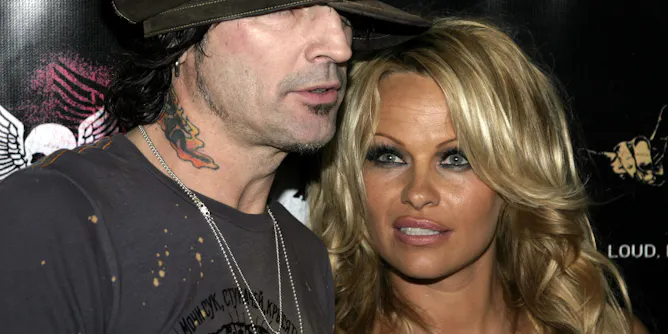
The show has been marketed as a feminist reclaiming, but at an emotional and traumatic cost to Pamela Anderson.
Articles on Online harassment
Displaying 21 - 40 of 54 articles

We recently heard that ‘new’ criminal offences would be added to the UK’s online safety bill to help tackle the growing problem of online abuse.
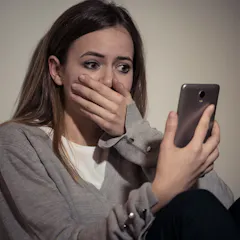
The pandemic has led to an increase in online interactions, including sexually violent behaviours. Teens as young as 12 are affected, but many victims are not aware of their options in seeking justice.
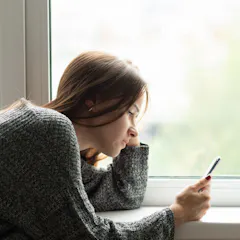
Attackers gain the trust of vulnerable individuals to obtain sexually explicit photos or videos via the internet, and then use these materials to blackmail victims.

We explored experiences of cyberbullying among young people in the UK. This is what we found.
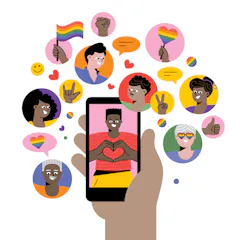
While online communities may not fully address the isolation LGBTQ youth face in-person, they can serve as an important source of social support and a springboard for civic engagement.
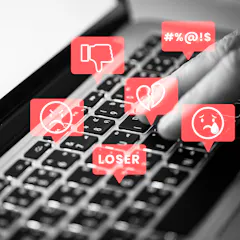
Where policies do address online abuse and harassment, they’re largely ineffective in a world where academics engage with people in a variety of public platforms and through social media.

Combating sexism and other forms of harassment in online videogames comes down to community standards.
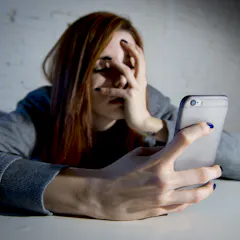
During the COVID-19 pandemic, online platforms might seem to be safer places to work and socialise, but online abuse is expected to rise – and women are at a higher risk.

A study of Instagram influencers has found most employ a highly sexualised aesthetic drawn from mainstream adult film. And many are subject to sexual harassment, ranging from aggressive comments to physical threats.
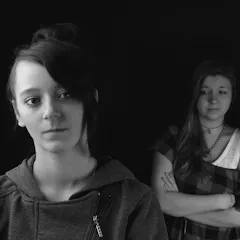
France’s #MeToo backlash has revealed just how deeply rooted sexism is in the country. Disguised as flirtation or child’s play, sexual harassment begins as early as elementary school.
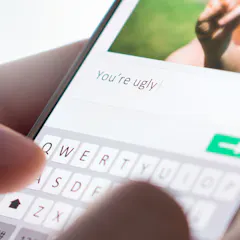
Some people still think “trolling” refers to harmless fun. If we want to reduce abusive online behaviour, let’s start by getting our definitions right.
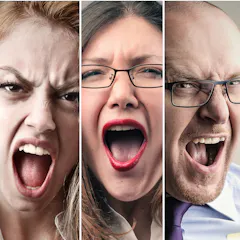
Eroding civility is not just an American phenomenon; it’s global. But it’s time for a return to civility as we reflect on how we will be judged and remembered when the dust of history settles upon us.
While they may talk about ‘free speech,’ businesses make decisions about their content based on a very different set of principles.

It could seem attractive to try to teach computers to detect harassment, threats and abusive language. But it’s much more difficult than it might appear.
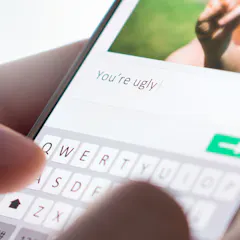
Eliminating anonymity is often touted as a solution to hostile online behaviour, but research shows that agreeable people who are more likely to leave positive comments prefer to do it anonymously.
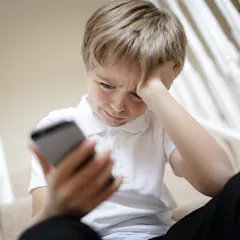
Social media sites should face tougher laws, but education is also key to tackling online abuse.
Companies and governments should do more to prevent ‘revenge porn’ without asking potential victims to send their nude photos to Facebook.
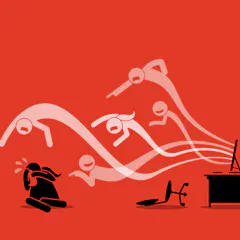
The media is doing the public a disservice by using the word “trolling” to describe more serious behaviours that should be defined as online harassment and abuse.

Filipino journalist Maria Ressa has faced online harassment campaigns designed to discredit and silence her.
Top contributors
-

Professor of Family and Sexual Violence, RMIT University
-
Professor of Criminology, Monash University
-
Professor of Global & Language Studies, RMIT University
-
Reader in Psychology, Cyberpsychology Research Network Co-Director and ADM Forensic Editor, University of Huddersfield
-
Doctoral researcher investigating governance of social media platforms, Queensland University of Technology
-
Postdoctoral fellow, Sociology, Western University
-
PhD student, Sociology, Western University
-
Lecturer in Law, Keele University
-
Associate Professor of Interdisciplinary Studies, Royal Roads University
-
Associate Professor, School of Arts and Media, UNSW
-
Assistant Professor of Health Studies, Texas Woman's University
-
Lecturer in Criminology, University of Hertfordshire
-
Director of the Information Integrity Initiative, a project of TheNerve/Professor of Journalism, Chair of the Centre for Journalism and Democracy, City St George's, University of London
-
Lecturer in Media and Communications, The University of Melbourne
-
Senior Lecturer in Forensic Linguistics, Lancaster University