

Though concerns about online harassment were legitimate, with 38% of participants saying they had experienced trolling in response to giving a media interview.
Articles on Online abuse
Displaying 41 - 60 of 109 articles
There is a dire need to prevent child sexual abuse in Canada. It is critical to intervene early, and provide those at risk for offending with support through an anonymous helpline, as well as therapy.

A recent government roundtable proposed stricter profile verification conditions as a response to safety concerns on dating apps. But research suggests users want something else.
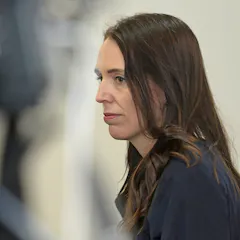
Despite women now having equal representation within New Zealand’s parliament, the misogynistic abuse directed at Jacinda Ardern shows equal treatment of women in leadership is still a long way off.
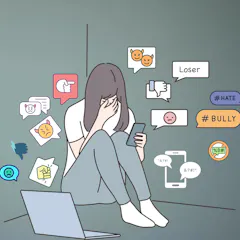
Most young people regard reining in the big social media platforms as only part of the solution to the ‘relentless stream’ of abuse and shaming they experience online
It’s not clear what will happen to the safety features that come with Twitter verification.

One in 14 Premier League footballers receives online abuse every day.
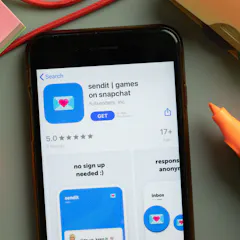
Anyone who has trawled through an internet forum will have seen how anonymity can change people. What happens when young people are thrown into the mix?
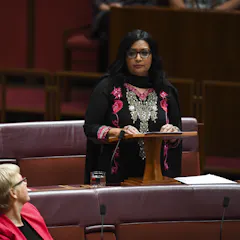
When Mehreen Faruqi first became the first Australian Muslim senator, she didn’t expect to receive the amount of abuse she did.
With academic freedom comes moral responsibility. Men within New Zealand universities – and beyond – must challenge misogynistic abuse of their women colleagues and not stay silent.

Discord was initially a service to let gamers voice and text chat while playing. Most of its current users build and maintain online communities, though not always very big ones.

How clubs and support teams can help deflect the negative impact of social media.

In the wake of the tragic death of Sir David Amess, some politicians are calling for a law banning anonymous social media profiles. But it’s not the right way to tackle online abuse.
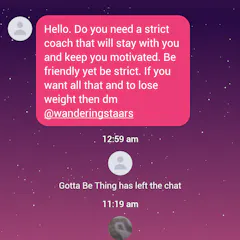
Eating disorder ‘communities’ online can be dangerous places for young and impressionable teens. And social media algorithms further spread harmful content.
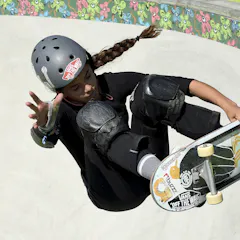
Skateboarding will make its Olympic debut in Tokyo but research shows female athletes are likely to cop abuse online when the competition starts.
A gentle nudge to rethink our social media posting could significantly reduce online abuse.
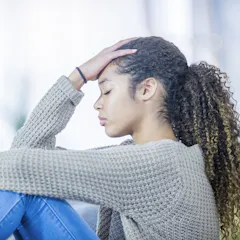
A viral TikTok video is helping girls bear witness to the harassment they experience at school.

People appear to victim-blame celebrities for the abuse they suffer on Twitter.

Tinder and similar apps fail to properly address issues of online harm. A lack of policy is to blame, as well as app design features and society’s general attitudes towards more minor cases of abuse.

Research shows one in five Australian women experience degrading content online. This is not ‘harmless’ or ‘normal’.
Top contributors
-

Senior Lecturer in Law, University of Canterbury
-
Lecturer in Law, Keele University
-
Lecturer in Criminal Justice and Social Policy, School for Business and Society, University of York
-
Canada Research Chair in Inequality and Gender, Western University
-
Doctoral researcher investigating governance of social media platforms, Queensland University of Technology
-
Professor of Family and Sexual Violence, RMIT University
-
Associate Professor, Federation University Australia
-
Professor of Global & Language Studies, RMIT University
-
Lecturer in Technology and Crime, Griffith University
-
Associate Professor of Criminology, Saint Mary’s University
-
Assistant Professor, Law, Dalhousie University
-
Postdoctoral fellow, Sociology, Western University
-
Associate Professor in Convergent and Online Media, University of Sydney
-
Senior Lecturer, Journalism and Digital Communication, University of Lancashire
-
Senior Lecturer in Marketing, University of Hull