

The inclusion of cyberstalking in the proposed anti-stalking law brings New Zealand in line with other countries. But future technologies may make harm even harder to combat.
Articles on Online abuse
Displaying 21 - 40 of 109 articles
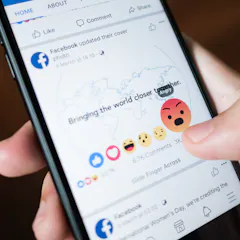
Internal data from the ABC show the harmful content moderators are exposed to weekly, sometimes even daily. But the organisation’s response is one many others can learn from.

The tech industry and police must listen to the concerns of victim-survivors when using child sex abuse material for legitimate purposes.
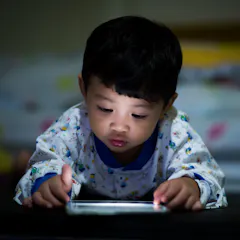
The online games platform has nearly 80 million daily users and primarily targets children. However, like many large platforms, it has trouble moderating harmful content.

When violence prevention policies and programs don’t reflect how it unfolds in today’s networked and digitally-connected world, they cannot be effective.

Gaming or watching sports in the metaverse might be fun, but these ‘immersive online environments’ are also enabling new kinds of crime. To tackle this problem, we must first understand it better.

A new parliamentary committee will look into how social media operates in Australia, including how children access it. Regulating the industry won’t be easy.

These private online communities represent a long-held feminist maxim: to solve sexism requires women to solve it themselves.

Taking selfies is a normal part of daily life for millions of social media users. But doing so while exercising at the gym can be harmful.

With doxing suddenly on the national agenda, here’s what you need to know.

There’s nothing surprising about the fake explicit images going viral. It happens to women celebrities frequently – but anyone can be targeted.

Representative democracy is under threat as females – particularly from minority groups – leave or choose not to enter politics. Many say the mental toll of online abuse has become overwhelming.

It’s time we stop treating young people’s experiences in digital and physical spaces as distinct and mutually exclusive.

New research shows being a woman or part of a minority as a journalist can increase the likelihood of being targeted with online abuse. The waves of abuse can influence who and what gets covered.

It’s the fourth most popular website in the world, but our new study shows toxic commentary can still thrive on Wikipedia. There’s a lot at stake if too many editors are driven away.

Ugly incidents in the run-up to the election mirror the rise of online violence against women in politics. The next government needs a plan to tackle the problem before it’s too late.

Inaction on gendered abuse is making it an even more effective tool for discouraging women from taking public office.

New approaches are needed to address the scope of abuse young people can experience when online.
The sharing of intimate images has been on the rise among young people. But research shows navigating consent in these situations can come with a lot of grey areas.

Many children and adolescents fall victim to online exploitation, but there are some steps parents can take to protect their children online.
Top contributors
-

Senior Lecturer in Law, University of Canterbury
-
Lecturer in Law, Keele University
-
Lecturer in Criminal Justice and Social Policy, School for Business and Society, University of York
-
Canada Research Chair in Inequality and Gender, Western University
-
Doctoral researcher investigating governance of social media platforms, Queensland University of Technology
-
Professor of Family and Sexual Violence, RMIT University
-
Associate Professor, Federation University Australia
-
Professor of Global & Language Studies, RMIT University
-
Lecturer in Technology and Crime, Griffith University
-
Associate Professor of Criminology, Saint Mary’s University
-
Assistant Professor, Law, Dalhousie University
-
Postdoctoral fellow, Sociology, Western University
-
Associate Professor in Convergent and Online Media, University of Sydney
-
Senior Lecturer, Journalism and Digital Communication, University of Lancashire
-
Senior Lecturer in Marketing, University of Hull