

A study of 183 coral reefs worldwide quantified the impacts of ocean warming and acidification on reef growth rates. Even under the lowest emissions scenarios, the future of reefs is not bright.
Articles on Ocean warming
Displaying 61 - 80 of 93 articles
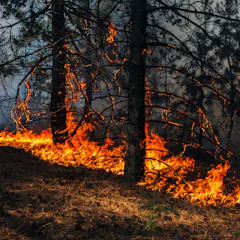
A future of heat and strife or humanity’s finest hour – our response to climate change today will define the 21st century.

Climate change is strengthening the division between the ocean surface and the abyss.
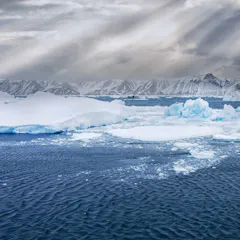
The Southern (Antarctic) Ocean is our planet’s primary storage of heat and carbon, and it’s home to extraordinary life forms, from tiny algae and spineless creatures to penguins, seals and whales.
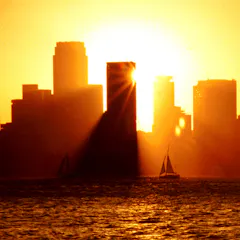
A changing climate means parts of Australia will get hotter, some drier, others wetter and we can expect more extreme fire days.

Hundreds of organizations are working around the world to restore damaged coral reefs. New research shows that rapid ocean warming threatens these efforts.
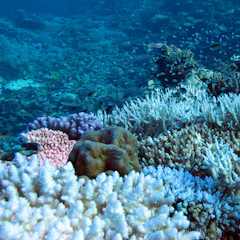
They’re more used to taking visitors to the reefs, but COVID-19 gave tour operators time to help check the condition of the corals. What they found doesn’t bode well.
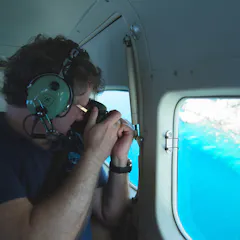
Coral bleaching last summer was severe and widespread. And for the first time, severe bleaching has struck all three regions of the Great Barrier Reef.
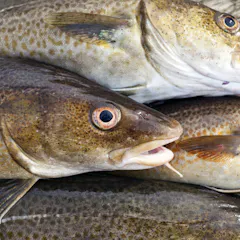
A combination of flawed science and over-optimism meant experts misinterpreted the data that helped calculate estimates of cod stocks back in 2017.
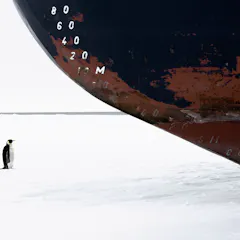
A new Intergovernmental Panel on Climate Change report makes clear human-induced climate change threatens the health and function of the ocean and cryosphere - the frozen regions of the Earth.
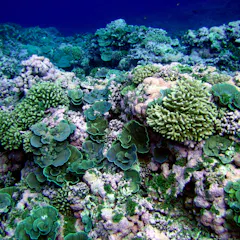
In a study that cultivated coral ‘gardens’ with varying numbers of species, plots with more species were healthier. This finding could inform strategies to help coral reefs survive climate change.
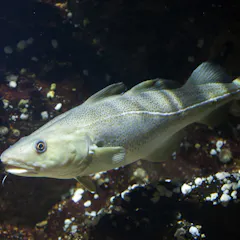
Tiny calcified formations inside fishes’ ears can be used to trace a fish’s life history – and potentially, how climate change has affected its growth and development.
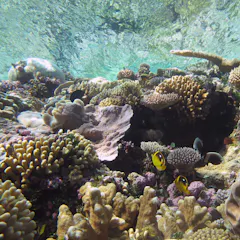
A new study found shallow water corals with high temperature tolerance in their DNA. Could they make reefs more resilient to climate change?
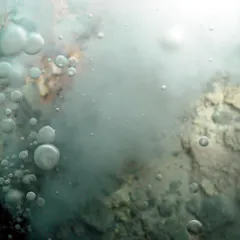
Thousands of years ago, carbon gases trapped on the seafloor escaped, causing drastic warming that helped end the last ice age. A scientist says climate change could cause this process to repeat.
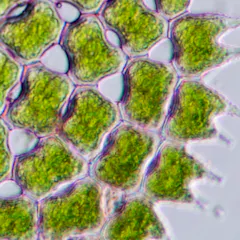
Phytoplankton are tiny, but they do important work.
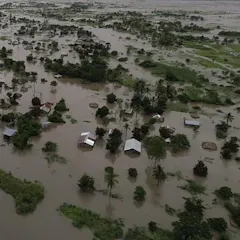
Climate change is making hurricanes more destructive, and may have boosted the intensity of cyclone Idai that hit Mozambique, Zambia and Malawi.
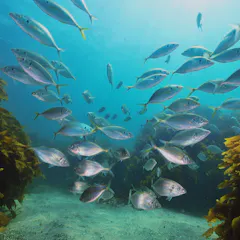
Marine heatwaves may become the new normal for the Tasman Sea and the ocean around New Zealand, and oceanographers are developing models to better predict their intensity.
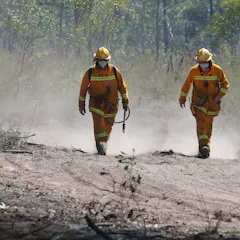
Australia is facing an increase in extreme heat, fire danger weather, floods and marine heatwaves, according to the latest biennial snapshot from the Bureau of Meteorology and CSIRO.

Urbanisation is the main reason for rising temperatures and water pollution, but receives little attention in discussions about the health of water streams, reefs and oceans.
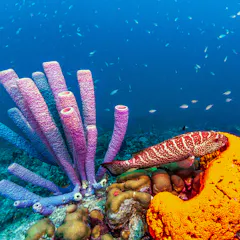
Marine sponges are ancient organisms that have survived mass extinctions. Many are more tolerant of climate change and may dominate over corals in future reef systems.
Top contributors
-

Professor in Ocean Physics, University of Auckland, Waipapa Taumata Rau; Earth Sciences New Zealand
-
Professor of Marine Biology, Te Herenga Waka — Victoria University of Wellington
-
Climate Projections Scientist, CSIRO
-
Senior Climatologist, Australian Bureau of Meteorology
-
Lecturer in Marine Biology, Te Herenga Waka — Victoria University of Wellington
-
CEO and Scientific Director, Ocean Frontier Institute; Professor of Oceanography, Dalhousie University
-
Postdoctoral Researcher in Ocean and Climate, CSIRO
-
Professor, School of the Environment, The University of Queensland
-
Assistant Professor, University of Amsterdam
-
Professor in Marine Science, University of Otago
-
Professor of Civil Engineering and Director of the Beaty Water Research Centre, Queen's University, Ontario
-
Senior Marine Ecologist, Institute for Marine and Antarctic Studies, University of Tasmania
-
Director of the ARC Centre of Excellence for Our Future Oceans and Scientia Professor in Oceanography, UNSW
-
Distinguished Scholar, National Center for Atmospheric Research; Affiliate Faculty, University of Auckland, Waipapa Taumata Rau
-
ARC Future Fellow and Associate Professor in Climate Science, ARC Centre of Excellence for 21st Century Weather, The University of Melbourne