
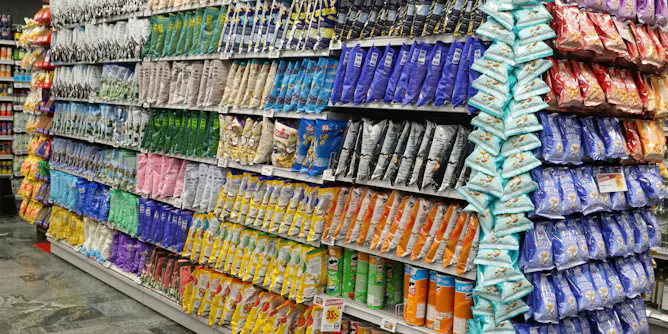
Without policy action and a coordinated global response, ultra-processed foods will continue to rise in human diets, harming health, economies. It’s time to act.
Articles on Nutrition
Displaying 81 - 100 of 822 articles
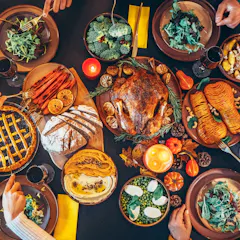
Guilt and discomfort around food can be especially challenging during the holidays. But trusting your body and remembering the social value of sharing meals can help you enjoy yourself.
Having stable access to nutritious food sets children up for better mental and physical health into adulthood.
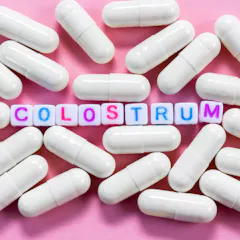
Colostrum protects newborns in their most vulnerable hours. Now it is being sold to adults in supplement form.
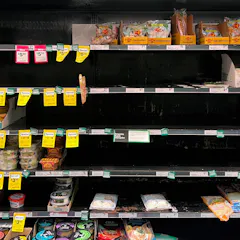
An analysis of 420 million supermarket transactions shows that understanding what people buy – not just where they live – is key to creating healthier communities.

‘Ultra-processed’ has become a moral label, not a scientific one. Research shows why the term could be causing confusion, guilt and misinformation.

If you promise dessert after a few more bites of broccoli or carrot, kids can start to see sweets as the ‘prize’ and veggies as the ‘chore’.

A consensus is emerging among scientists that certain foods are addictive for some people. But questions remain about which foods, which people and why.

Being a sports fan has been shown to cultivate a sense of belonging. But what about all that sitting, snacking and drinking? And what does that mean for younger, health-conscious fans?

Dietary supplement companies tout chromium as a way to boost energy, weight loss and blood sugar control. But the studies behind these claims are either flawed or inconclusive.

Some people choose matcha as a heathy alternative to coffee. But if you have low iron, here’s what you need to know.

Students in open, distance and e-learning institutions are under-researched when it comes to food insecurity.
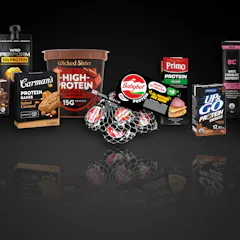
A food scientist explains which foods will give you the best value protein for every $1 you spend – at a fraction of what you’d spend on ‘high protein’ bars.

Almost three in four Australian children drank sugar drinks every day in 1995. Now, it’s just one in four.
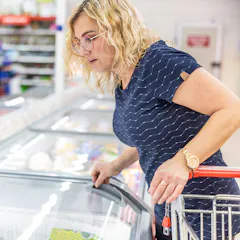
Food insecurity is widespread and shaped by disadvantage – and has serious health consequences.

Recent headlines suggested that pregnancy-like food cravings or aversions are a telltale sign of cancer. An oncologist explains.
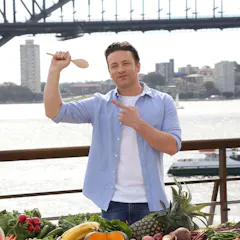
The celebrity chef’s call to eat more fruit and veg might sound extreme, but science shows that the benefits don’t stop at five.
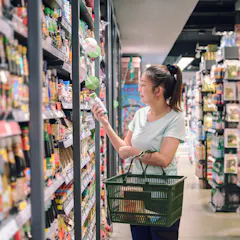
Processed foods vary greatly in their nutritional quality – and the number and type of food additives used to manufacture them.

For most of us, there is no benefit in consuming protein above the recommended level.

Beyond calories and vitamins, our food hides thousands of compounds. Scientists are only beginning to explore this ‘dark matter’.
Top contributors
-

Laureate Professor in Nutrition and Dietetics, University of Newcastle
-
Professor of Community Health and Wellbeing, The University of Queensland
-
Program Director of Nutrition and Food Sciences, Accredited Practising Dietitian, Adelaide University
-
Accredited Practising Dietitian and Lecturer, Southern Cross University
-
Senior Lecturer, Nutrition and Food Science, Australian Catholic University
-
Honorary Associate Professor, University of Leicester
-
Senior Lecturer, Nutrition, Swinburne University of Technology
-
Associate Professor, Deakin University
-
Senior Visiting Fellow, School of Medical Sciences, UNSW
-
Professor of Public Health Policy, Deakin University
-
Associate Professor, Institute for Physical Activity and Nutrition, Deakin University
-
Associate Professor of Gastroenterology, School of Medicine, University of Washington
-
Programme Lead Nutrition and Health, Edge Hill University
-
Clinical Trials Director, Department of Endocrinology, RPA Hospital, University of Sydney
-
Professor of Genetic Epidemiology, King's College London