

Biokineticists can help identify NCD risk in rural communities, but gaps in referral pathways and public healthcare integration may limit access to follow-up care.
Articles on NCDs
Displaying 1 - 20 of 89 articles
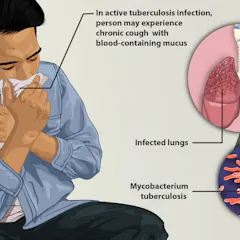
Indonesia has the world’s second-highest rates of TB – but lack of funding means not enough people are being diagnosed and treated fast enough.

The increased availability and consumption of unhealthy food has contributed to poor health outcomes.

Over many decades our food environments have relentlessly been encouraging us to make choices that are harmful to our health, through pricing, marketing and availability.

The public bears the suffering and costs of the global epidemic of noncommunicable diseases, and the rapidly accelerating climate emergency.

Factors such as having supportive family and friends, safer communities, positive school environments and adequate resources, are often associated with more physical activity.

Addressing the noncommunicable disease pandemic can also mitigate challenges facing people living with HIV and complement efforts against TB.

Reductions in the affordability of cigarettes will ensure significant reductions in tobacco use.

Most people with diabetes are poorly controlled. This makes them vulnerable to complications like eye problems, kidney disease, and even amputations.

Lowering obesity and overweight rates will lift the burden on healthcare spending.

Problems caused by malnutrition - such as obesity - are on the rise in South Africa, with serious health consequences.

South Africa should introduce regulations that mandate the nutritional labelling of fast foods. This will help consumers make informed dietary choices.

With such a sharp increase in global prevalence, it’s clear that diabetes is spiralling out of control. It can no longer be ignored.

Insulin and oral medicines for diabetes are mostly not available at the recommended level in the African region.

It’s not clear how health claims could be substantiated, enforced or understood, but there are other ways to encourage healthy food choices.
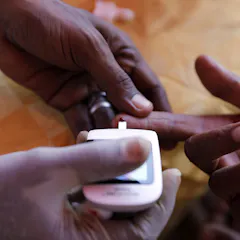
Targets for diabetes would improve healthy lives, reduce deaths, and be cost effective. But they should not be for managing diabetes alone; they must include treating hypertension.

Big Food companies producing ulta-processed foods are using a range of key market and political practices to increase their reach, particularly in developing countries.

South Africa needs a public health response that expands the successes of the country’s HIV testing and treatment programme to provide care for multiple diseases.

Harsh socio-environmental factors, especially when they happen in the early years of a child’s life, can establish a developmental “biology of misfortune”.

A ban on sugary drinks sale and advertisements in schools is likely to hold more promise in improving the diets of children and help prevent obesity in children than voluntary actions.
Top contributors
-

Professor and Programme Director, SA MRC Centre for Health Economics and Decision Science - PRICELESS SA (Priority Cost Effective Lessons in Systems Strengthening South Africa), University of the Witwatersrand
-
Professor of Public Health, The University of Melbourne
-
Associate Professor, Melbourne School of Population and Global Health, The University of Melbourne
-
Postdoctoral fellow, Johns Hopkins University
-
Researcher, SAMRC/Centre for Health Economics and Decision Science- PRICELESS SA, University of the Witwatersrand
-
Professor of Global Health, Institute for Applied Research, University of Birmingham
-
ARC Future Fellow and Sydney Horizon Fellow, School of Public Health, University of Sydney, University of Sydney
-
Director of the Non-Communicable Diseases Research Unit at the South African Medical Research Council, Professor in the Department of Medicine, University of Cape Town
-
Extraordinary Professor, Global Health, Stellenbosch University; South African Medical Research Council
-
Distinguished Professor, Division of Family Medicine and Primary Care, Stellenbosch University
-
D.Phil. Candidate in Population Health, University of Oxford
-
Research Fellow in Medicine, Harvard University
-
Emeritus Professor, Menzies Centre for Health Policy, University of Sydney
-
Associate Professor, School of Public Health, University of the Witwatersrand
-
Research Scientist, African Population and Health Research Center