
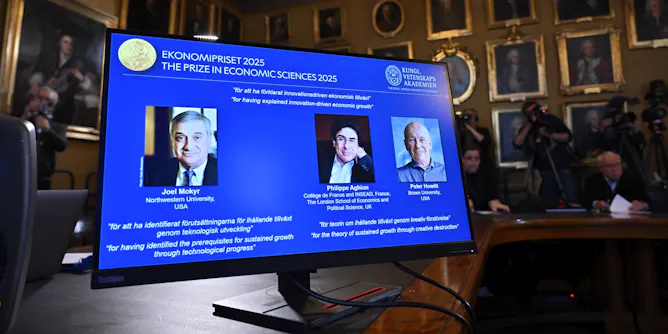
A better understanding of growth could help to improve living standards in the world’s poorest countries.
Articles on Nobel Prize 2025
Displaying all articles

2025’s Nobel Prize in Physics is a tribute to the scientists who first discovered quantum behaviors in a macroscopic electrical circuit.
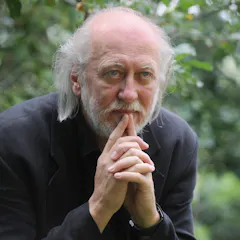
It took over a decade for the Hungarian novelist to be recognised in English-speaking countries.

By trapping different molecules, metal-organic frameworks could make for efficient breath sensors that predict lung disease, cancer or diabetes.
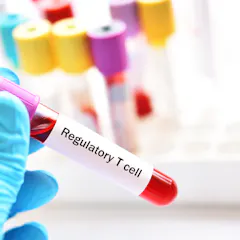
Researchers are gaining insights into how external factors like air pollutants, diet and medications, and even microbes in the gut interact with regulatory T cells, for better or for worse.
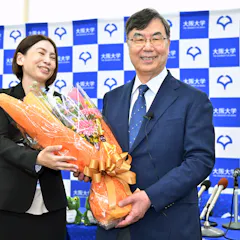
Listen to Shimon Sakaguchi, one of the 2025 Nobel laureates in medicine, talk about his research on The Conversation Weekly podcast.
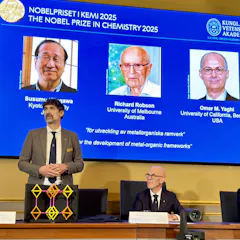
Just a gram of these tiny crystals can have an internal surface area as big as a soccer field. A materials expert explains the almost magical chemistry of MOFs.
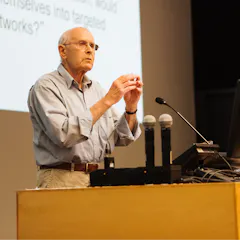
Richard Robson was struck by an idea in 1989. Decades later, his story shows the importance of fundamental science.
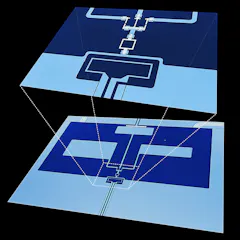
The discovery that superconducting circuits can behave like quantum particles was a revolutionary development in the field of quantum technologies.
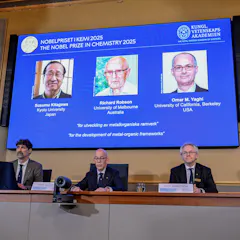
The metal-organic frameworks discovered by the three scientists are helping to revolutionise green technology and many other areas.

How this year’s Nobel-winning research could make cancer immunotherapy even smarter.
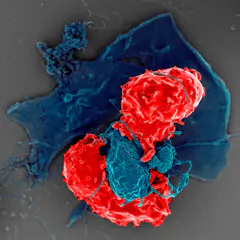
Regulatory T cells help your immune system distinguish between ‘self’ and ‘nonself’ – and can open doors to better treatments for cancer, autoimmune disease and transplant rejection.
Top contributors
-

Professor of Biomedical Sciences, Anglia Ruskin University
-
Associate Professor of Immunology and Microbiology, University of Colorado Anschutz
-
Professor in Materials Chemistry, Lancaster University
-
Assistant Professor of Chemical and Biomolecular Engineering and Chemistry, Rice University
-
Distinguished Professor at the Immunology Frontier Research Center, Osaka University
-
Professor & Director, Net Zero Institute, University of Sydney
-
Host, The Conversation Weekly Podcast, The Conversation
-
Lead Research Consultant in Electrical and Computer Engineering, Missouri University of Science and Technology
-
Associate Research Professor of Electrical and Computer Engineering, Missouri University of Science and Technology
-
Associate Professor of Physics and Astronomy and Electrical and Computer Engineering, USC Dornsife College of Letters, Arts and Sciences
-
Professor of Pathology, Microbiology and Immunology, University of South Carolina
-
Chair Professor of Electrical and Computer Engineering, Missouri University of Science and Technology
-
Assistant Research Professor of Electrical Engineering, Missouri University of Science and Technology
-
Professor of Pathology, Microbiology and Immunology, University of South Carolina
-
Senior Lecturer, Political & International Studies, University of Glasgow