

A strong immune response doesn’t necessarily mean better protection from infection. The type and timing of immune attacks matter, too.
Articles on Autoimmune diseases
Displaying 1 - 20 of 95 articles

Vitiligo is one of the most common skin disorders out there.

AI is reshaping biomedical research and drug discovery and delivery. But challenges still exist.

New research could allow health care providers to identify and treat patients at risk for rheumatoid arthritis before the disease progresses.

This debilitating brain disease is rare. But its early symptoms are often mistaken for anxiety, depression, chronic fatigue or dementia.
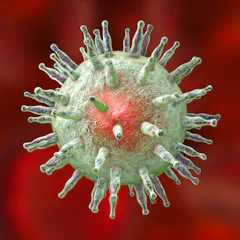
More than 90% of adults worldwide are already infected with the Epstein-Barr virus.

Seles’ first symptoms appeared suddenly around three years ago. She began having double vision and weakness in her arms and legs.

Researchers are gaining insights into how external factors like air pollutants, diet and medications, and even microbes in the gut interact with regulatory T cells, for better or for worse.
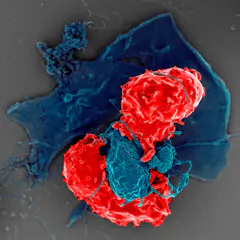
Regulatory T cells help your immune system distinguish between ‘self’ and ‘nonself’ – and can open doors to better treatments for cancer, autoimmune disease and transplant rejection.

The discovery of cells that prevent the immune system from hurting the body is paving the way for new treatments for autoimmune diseases and cancer.

The autoimmune disease lupus, which affects mainly women, can have wide-ranging impacts on health and quality of life.

The incurable autoimmune condition affects an estimated 3-12 in every 100,000 people.

Advances in research and medicine have given doctors helpful tools to assess a person’s individual risk and to help prepare them for pregnancy.

Before making changes to your diet, it’s a good idea to speak to your doctor or a qualified dietitian to make sure you don’t miss out on important nutrients.

Both can cause joint pain and swelling. But their causes and treatments differ.

A very small amount of gluten can be harmful to people with coeliac disease, so you may worry about cross-contamination through saliva.

The National Institutes of Health has been integral to scientific progress in treating countless human diseases. Without its support, patients will ultimately pay the price.

Levels of 2 types of bacteria in your gut could help improve the diagnosis and treatment of multiple sclerosis.

Rising air pollution, changes in hormone levels, immune system imbalances and longer life expectancy are increasing the risk of lung cancer in women who have never touched a cigarette.

Revisiting a disease that affected a million people might provide answers we need for the future.
Top contributors
-

Senior Research Fellow; Rheumatology Research Group, Centre for Inflammatory Diseases, Monash University
-
Professor and Chair, Department of Immunology, Monash University
-
Instructor of Human Immunology, Emory University
-
Associate Professor of Immunology and Microbiology, University of Colorado Anschutz
-
Professor of Pathology, Microbiology and Immunology, University of South Carolina
-
Professor of Microbiology, School of Medicine, University of Washington
-
Professor of Pathology, Microbiology and Immunology, University of South Carolina
-
Researcher in Science Studies, Cardiff University
-
Project Manager; Centre for Advanced Training Systems, University of Newcastle
-
Clinical Research Fellow, University of California, Davis | Medical Student, Albert Einstein College of Medicine, Yeshiva University
-
Professor, Molecular Immunology, WEHI (Walter and Eliza Hall Institute of Medical Research)
-
Professor, Neurologist and Clinical Director, Florey Institute of Neuroscience and Mental Health
-
Head, Department of Medicine, School of Clinical Sciences; Professor of Medicine, Monash University
-
Profesor Antropología Física, Universidad Complutense de Madrid
-
Research Assistant, University of Bristol