

South Africa faces high levels of noncommunicable diseases such as diabetes and hypertension. The NHI is likely to battle to cope with treating large numbers of sick people.
Articles on NCDs
Displaying 41 - 60 of 90 articles
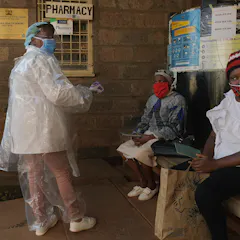
Most facilities prioritize COVID-19 cases. In addition, curfews are still in effect in Kenya, which affects the working hours of clinics providing hypertension care services.
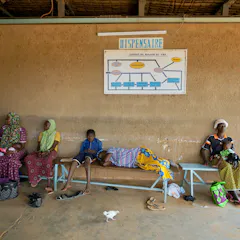
In poorer parts of the world, such as sub-Saharan Africa, health systems are not designed to care for people with chronic conditions. They are more focused on single, acute diseases.
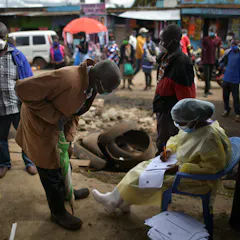
As COVID-19 cases continue to increase in Kenya, there is a looming threat for escalated disease and death due to the many people with chronic conditions.

Cardiac rehabilitation is not available in many African countries and the way forward may be to focus on patients rather than specific diseases.

We found that evidence cited by three organisations - a big corporate and two industry lobby groups - was either not evidence at all, or had been twisted to suit the industry’s narrative.

Rapid population ageing has prompted researchers to study disease trends in older South Africans. The aim is to understand the role that specific health conditions play in ageing among rural people.

CC BY-NC-ND5.57 MB (download)
It’s not enough to simply promote healthy eating and exercise without considering South Africa's very real environmental and structural constraints.

Keeping track of migration and urbanisation is challenging, but it’s vital for population health that migration and urbanisation is well understood and planned for.

CC BY-NC-ND4.83 MB (download)
When the policies and programmes developed in Belo Horizonte were rolled out nationally, Brazil experienced a notable decline in hunger.

There’s a lack of locally relevant knowledge to prevent and control non-communicable diseases in African countries.

A study showed that most baby food products have a high sugar content.

Fast-food outlets outnumber healthy food stores in South Africa’s Gauteng province.

The leading causes of death in sub-Saharan Africa for adults 15 to 49 years were AIDS, tuberculosis, malaria, maternal disorders, and road injuries.
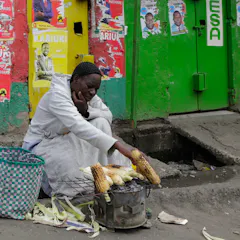
A study in Kenya found that that there’s an association between relatively higher economic status and obesity in a slum setting.

In Uganda, essential medicines are not being stocked at facilities that need them most. This includes drugs to treat chronic diseases.

There are differences in the smoking patterns of rural and urban communities. These must be recognised and included in tobacco control interventions to reduce use.
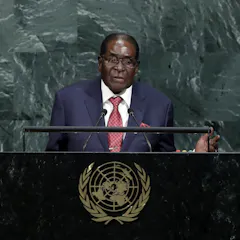
Unpicking the baffling case of how one of Africa’s dictators became the world’s top ambassador for non-communicable diseases – at least for a while.
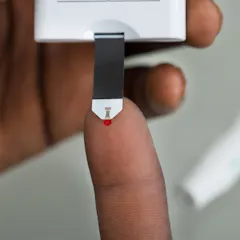
To tackle the increasing burden of diabetes in Africa, health systems on the continent need to be strengthened.
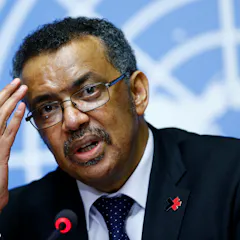
How will the World Health Organisation’s Director-General Dr Tedros Ghebreyesus deal with the mounting challenges? Africa’s academics have some tips.
Top contributors
-

Professor and Programme Director, SA MRC Centre for Health Economics and Decision Science - PRICELESS SA (Priority Cost Effective Lessons in Systems Strengthening South Africa), University of the Witwatersrand
-
Professor of Public Health, The University of Melbourne
-
Associate Professor, Melbourne School of Population and Global Health, The University of Melbourne
-
Postdoctoral fellow, Johns Hopkins University
-
Researcher, SAMRC/Centre for Health Economics and Decision Science- PRICELESS SA, University of the Witwatersrand
-
Professor of Global Health, Institute for Applied Research, University of Birmingham
-
ARC Future Fellow and Sydney Horizon Fellow, School of Public Health, University of Sydney, University of Sydney
-
Director of the Non-Communicable Diseases Research Unit at the South African Medical Research Council, Professor in the Department of Medicine, University of Cape Town
-
Extraordinary Professor, Global Health, Stellenbosch University; South African Medical Research Council
-
Distinguished Professor, Division of Family Medicine and Primary Care, Stellenbosch University
-
D.Phil. Candidate in Population Health, University of Oxford
-
Research Fellow in Medicine, Harvard University
-
Emeritus Professor, Menzies Centre for Health Policy, University of Sydney
-
Associate Professor, School of Public Health, University of the Witwatersrand
-
Research Scientist, African Population and Health Research Center