

Diabetes is manageable. With timely support, people can lead long, healthy lives free from preventable complications.
Articles on Noncommunicable diseases
Displaying 1 - 20 of 42 articles

The typical alcoholic beverage disclosed only a single piece of nutritional information: its alcohol content.

Every city is different but they can learn from each other.

A sugar-sweetened beverage tax is effective in reducing sugar consumption and should be increased for health reasons, researchers argue.

Outpatient visits, screening and diagnostic services, and child immunisation were particularly negatively affected.
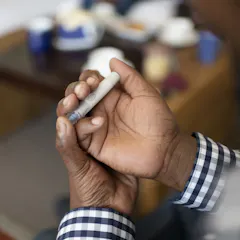
Most people with diabetes are poorly controlled. This makes them vulnerable to complications like eye problems, kidney disease, and even amputations.

As diabetes progresses, insulin injections become the only treatment option. But the transition from oral medication to injectable insulin is often a bumpy one.

Drug discovery research in Africa receives modest but essential international funding through philanthropic foundations and selected pharmaceutical companies.

Insulin and oral medicines for diabetes are mostly not available at the recommended level in the African region.

It’s not clear how health claims could be substantiated, enforced or understood, but there are other ways to encourage healthy food choices.
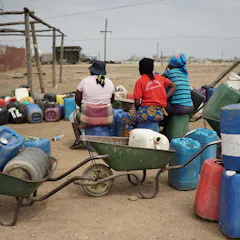
The provision of better health services and social grants has aided rural women’s progress in South Africa, but there are still tremendous needs to be met.

South Africa needs a public health response that expands the successes of the country’s HIV testing and treatment programme to provide care for multiple diseases.

Harsh socio-environmental factors, especially when they happen in the early years of a child’s life, can establish a developmental “biology of misfortune”.
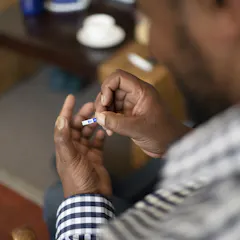
In 2019, 89,834 people died of diabetes. This number exceeds the capacity of Soccer City, the biggest football stadium in South Africa.
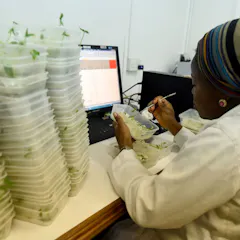
What’s needed is a prioritisation of the health and medicinal values of the food that’s consumed in African countries.

Governments must take urgent action to prevent noncommunicable diseases from becoming an uncontrollable epidemic in sub-Saharan Africa. Sugar-sweetened beverage taxation offers a potential solution.

Without reliable, local and timely data, countries will miss the potential of sugar-sweetened beverage taxation as a public health intervention.

Rwanda’s food policies focus on production to make sure people have livelihoods and enough nutritious food. Not much attention is given to overnutrition.

Tension between the government’s economic and public health priorities is preventing stronger fiscal measures to address nutrition-related noncommunicable diseases.

Between 2018 and 2019 Kenya registered a 30% spike in sugar production and an increase in sugar consumption.
Top contributors
-

Professor and Programme Director, SA MRC Centre for Health Economics and Decision Science - PRICELESS SA (Priority Cost Effective Lessons in Systems Strengthening South Africa), University of the Witwatersrand
-
Postdoctoral fellow, Johns Hopkins University
-
Associate Professor, Melbourne School of Population and Global Health, The University of Melbourne
-
Chairperson, Diabetes Alliance; Co-founder, Diabetes Research Centre, University of Pretoria
-
Senior Researcher Rural Health in Transition and Agincourt Research Unit, University of the Witwatersrand
-
Professor of Population Health and Nutrition, Adelaide University
-
Extraordinary Professor, Global Health, Stellenbosch University; South African Medical Research Council
-
Researcher, SAMRC/Centre for Health Economics and Decision Science- PRICELESS SA, University of the Witwatersrand
-
Project Head, Tshwane Insulin Project, University of Pretoria
-
Associate professor, University of Pretoria
-
Associate Professor and Director of the SAMRC/Wits Centre for Health Economics and Decision Science - PRICELESS SA (Priority Cost Effective Lessons in Systems Strengthening South Africa), University of the Witwatersrand
-
Senior Research Fellow, University of Oxford
-
Cardiology Fellow Physician, Stanford University
-
Research fellow, George Institute for Global Health
-
Professor: Health and Population Division, School of Public Health, University of the Witwatersrand