

The National Day for Truth and Reconciliation on Sept. 30 invites people across Canada to learn about the history and impacts of the residential school system.
Articles on National Day for Truth and Reconciliation
Displaying all articles
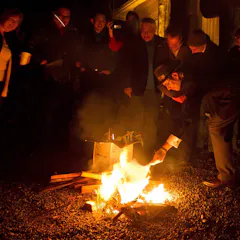
Section 141 of the act was used to surveil and intimidate Indigenous leaders and weaken Indigenous political organizing.

Requirements for documentation such as citizenship and status cards can disadvantage people whose relationships with their respective nations have been disrupted.
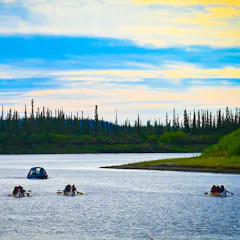
Strength is not just survival. It is how Indigenous Peoples have always transformed oppression into collective action — and how we will face residential schools denialism today.
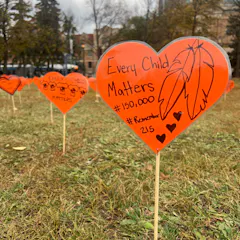
When universities declare commitments to reconciliation, these commitments must accompany changes necessary to ensure Indigenous students are truly welcomed and celebrated on campuses.

The Canadian Medical Association’s apology for harms to Indigenous Peoples is an opportunity to reflect on the gap between apologies and the work of true repair necessary for reconciliation.
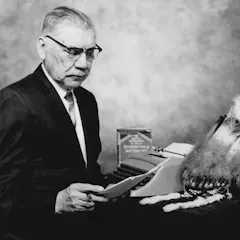
‘Brown Tom’s Schooldays’ was first self-published decades ago, and shows how one First Nations boy came of age and grappled with the assimilation agenda of Indian Residential Schools.

Saskatchewan’s provincial government must work with Indigenous nations on a shared vision for the future that is more likely to withstand the tests of time and litigation.
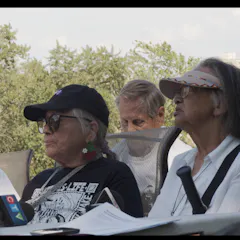
Debates over what “mapping” means show how Indigenous communities still have to advocate for and defend their cartographic methods in order to uphold their connections to the land.

The author led a search for unmarked graves at the site of Blue Quills, a former residential school. She found more areas of interest (potential graves) than the official record shows.

To honour Truth and Reconciliation Day, we spoke with Terri Cardinal, who headed up one of the many community searches for the children who went missing while attending an Indian Residential School.
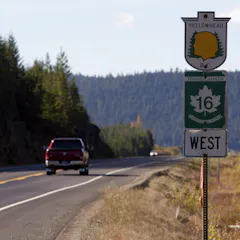
Transport development paved the way for colonization and is directly linked to the chronic and extreme social inequities Indigenous communities continue to face to this day.
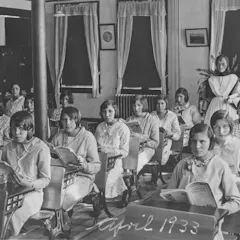
Survivors of multiple colonial school systems need their voices to be heard. An exhibit examines how colonial schooling policies over a century and a half influenced the Blood People.
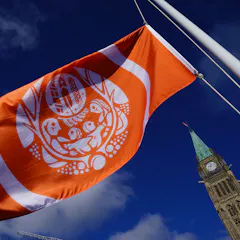
To fully implement the UN Declaration on the Rights of Indigenous Peoples, Canada must engage in genuine and inclusive law reform.

University histories need to be re-examined with attention to the role of Indigenous Peoples, connections to Residential Schools and universities’ fundraising efforts.
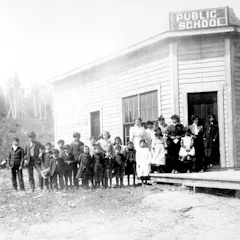
In B.C., residential school principals sat on public school boards, and some Indigenous children even attended public schools. Understanding such links matters for truth and reconciliation.
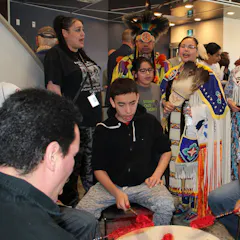
For University of Winnipeg’s inner-city studies department, remote learning has disrupted the dialogue that is critical for moving from truth toward reconciliation and action.
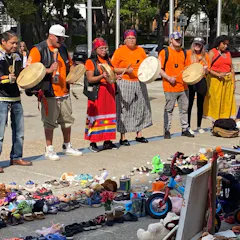
Here’s what the education system needs to do to help teachers address, repair and heal education towards and beyond reconciliation.
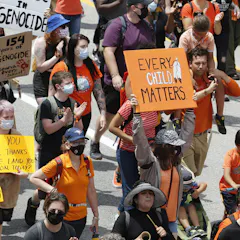
It is important for people who are part of educational institutions to honour the year-round significance of the new National Day for Truth and Reconciliation on Sept. 30.
Top contributors
-

Professor, Faculty of Education, University of Manitoba
-
Director, Indigenous Initiatives, MacEwan University
-
Associate Professor, Departments of History and Indigenous Studies, University of Manitoba
-
Assistant professor, Faculty of Education, Western University
-
Professor of Curriculum Studies, L’Université d’Ottawa/University of Ottawa
-
PhD Candidate Geography, Planning, Environment, Concordia University
-
Assistant Professor, Department of Political Studies, University of Saskatchewan
-
Post Doctoral Researcher, Human Geography, University of Toronto
-
Associate Professor, Faculty of Education, Lakehead University
-
Assistant Professor, Faculty of Education, York University, Canada
-
Indigenous community partner, Coordinator of Indigenous Education at Thunder Bay Catholic District School Board
-
UN Expert Mechanism on the Rights of Indigenous Peoples (EMRIP) and Professor in Political Science, Global Affairs and Public Policy, University of Toronto
-
Professor and Chair, Department of Urban and Inner-City Studies, University of Winnipeg
-
Indigenous activist and community research partner
-
Assistant Professor, College of Law, University of Saskatchewan