
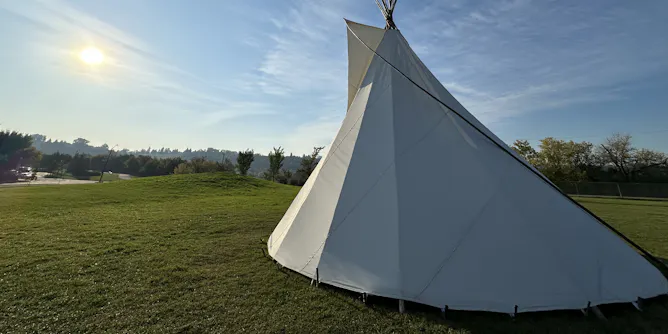
Experiential learning took students in a bachelor of education program out of the classroom for their own learning about truth and reconciliation and to prepare them for future classrooms.
Articles on decolonizing education
Displaying all articles

University histories need to be re-examined with attention to the role of Indigenous Peoples, connections to Residential Schools and universities’ fundraising efforts.
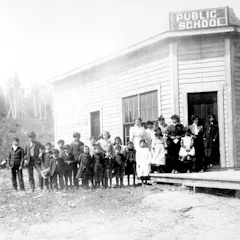
In B.C., residential school principals sat on public school boards, and some Indigenous children even attended public schools. Understanding such links matters for truth and reconciliation.

Rethinking accountability structures, how to engage parents and the community and how to support anti-racist leadership competencies all matter.

Researchers and educators with the Climate Action Childhood network are generating responses to climate change alongside young children.
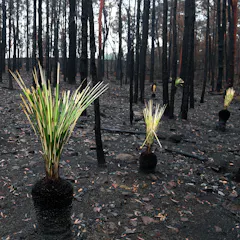
Universities must be considered as not only in crisis but also as drivers of crisis in a world of climate change, biodiversity loss, authoritarianism and deep social and economic inequalities.
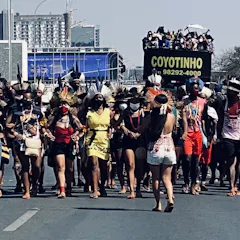
The climate emergency can’t be addressed with simplistic solutions. A network of Indigenous communities in Brazil invites us to reorient colonial approaches and embrace deeper change.
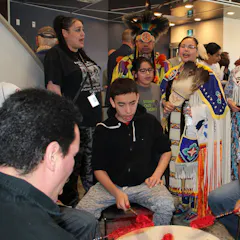
For University of Winnipeg’s inner-city studies department, remote learning has disrupted the dialogue that is critical for moving from truth toward reconciliation and action.
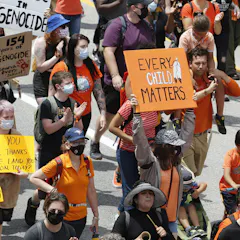
It is important for people who are part of educational institutions to honour the year-round significance of the new National Day for Truth and Reconciliation on Sept. 30.

A professor who researches BTS is building a diverse archive of media and analysis about the pop icons.
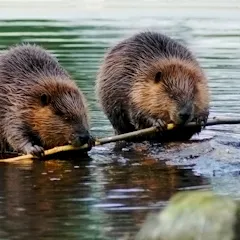
Leaked curriculum drafts in Alberta show a desire to revive old colonial myths. To face today’s challenges, we need stories that teach how humans are related to each other and to all life forms.
Top contributors
-

Professor of Early Childhood Education, Western University
-
Associate professor, Faculty of Education, University of Alberta
-
Associate professor, University of British Columbia
-
PhD Candidate, Education, York University, Canada
-
Associate Professor of Teaching, Sustainable Food Systems, University of British Columbia
-
PhD Candidate, part-time professor, Faculty of Education, L’Université d’Ottawa/University of Ottawa
-
Indigenous activist and community research partner
-
Assistant Professor, Faculty of Education, York University, Canada
-
Professor, former dean of the Faculty of Education at the University of Victoria., University of Victoria
-
Associate professor, Department of History, Western University
-
Assistant professor of Indigenous Literatures, Department of English Language and Literatures, University of British Columbia
-
PhD Candidate, Ontario Institute for Studies in Education (OISE), University of Toronto
-
Associate Professor, Departments of History and Indigenous Studies, University of Manitoba
-
PhD Candidate, Department of Anthropology, Columbia University
-
Adjunct Associate Professor, School of Human Serivces and Social Work, Griffith University