
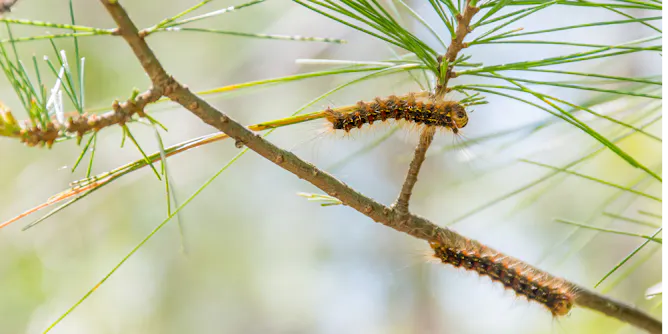
Creating and preserving diverse forests can help us prepare for the next insect outbreak and protect our trees.
Articles on Moths
Displaying 21 - 40 of 50 articles
The new rules are de facto non-tariff barriers to trade. They increase trade costs for South Africa’s citrus industry.
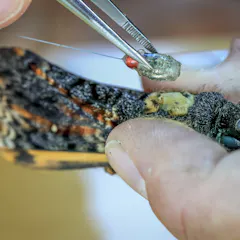
We attached tiny transmitters to a number of individual moths and tracked a part of their migration using a Cessna aircraft.
While artificially illuminating the night allows humans to make use of the the night, in doing so we catastrophically change the environment for all other species. How can we fix this?
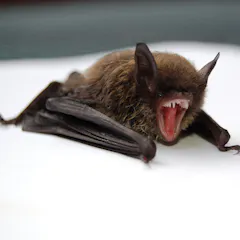
Research has revealed how earless moths manage to avoid bat attacks - by evolving sophisticated acoustic tricks.
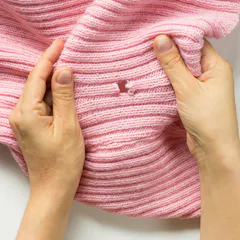
Once the larvae turn into adult moths, they never eat again.
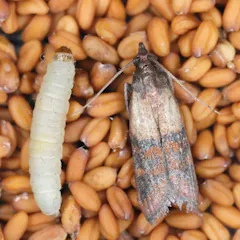
Unfortunately, it’s likely you brought them home yourself. Most pantry moth infestations probably start when we inadvertently bring home eggs and caterpillars in our dried foods.
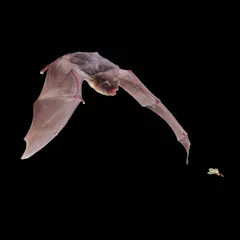
These nocturnal insects have amassed an impressive defensive arsenal against bats’ echolocation.

This year’s unprecedented fall armyworm invasion has laid waste to lawns, athletic fields and crops. Is it a fluke? When will it end?
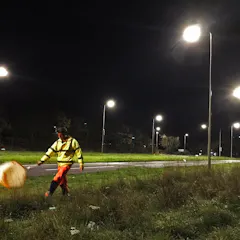
The increasing prevalence of white LED streetlamps spells worrying population declines for insects like moths.

Insects are plentiful and inexpensive. Even when children aren’t attending school in person, they can learn from the encounters they have with insects outside.
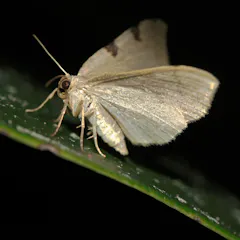
New research sheds light on the unsung heroes of pollination.
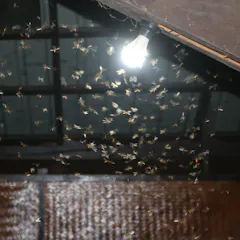
Moths and insects cluster around lights at night. Why?
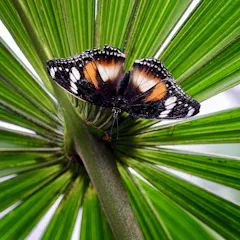
Insects are vital to sustaining life on Earth – and their numbers are falling fast. So consider ditching the fly spray and see what you can do to help.

We looked at 130 species to see which will be the winners and losers from global warming
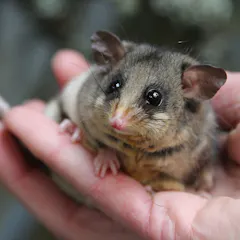
Billions of bogong moths are setting out from Queensland, but not reaching Victoria. We need citizen scientists to help figure out where they’re ending up.
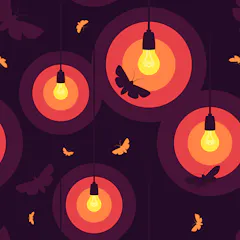
Turning street lights off at midnight could save money, energy and help nocturnal ecosystems thrive.
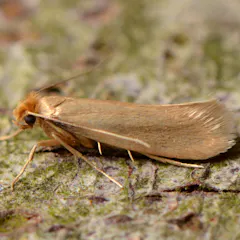
If you see moths and their larvae near your clothes, it’s a sign that it’s time to wash all your clothes and air them out in the sun.
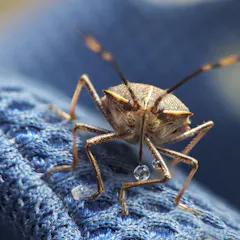
With the onset of cooler temperatures and shorter days, some insects pack-up and migrate to warmer climates. Others, including stink bugs, take up residence in our homes.
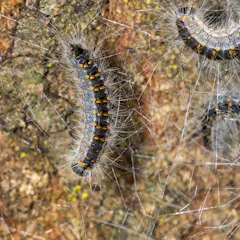
The oak processionary moth established itself in the UK a decade ago, ahead of the parasitoids that would normally keep its numbers in check.
Top contributors
-

Former Postdoctoral Research Associate
-
PhD Candidate in Zoology, University of Otago
-
Molecular Systematist, CSIRO
-
Postdoctoral Research Associate in Biological Sciences, University of Bristol
-
Assistant Professor of Biology, University of Colorado Boulder
-
Chief Executive, CSIRO
-
Professor in Sensory Biology, University of Bristol
-
Professor in Evolution and Behaviour, The University of Melbourne
-
Associate Professor in Botany, University of Otago
-
Assistant Professor, McMaster University
-
Postdoctoral Research Associate in Biology, Newcastle University
-
Associate Professor of Biological Sciences, Boise State University
-
Associate Professor, Australian National University
-
PhD Researcher, Newcastle University
-
Professor of Animal Evolution & Systematics, University of Cape Town