
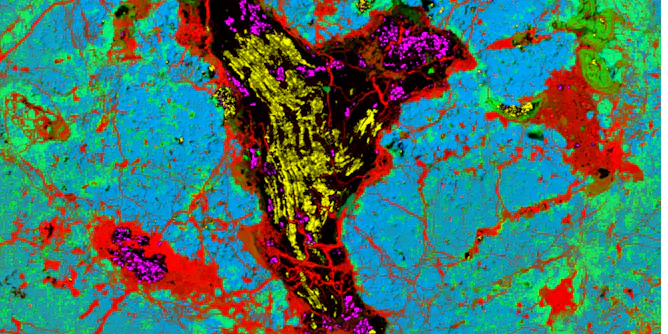
An unusual folded shape in a meteorite prompted scientists to dive deep into a rabbit hole – discovering a potential new way to make specially shaped diamonds in the lab.
Articles on Meteorites
Displaying 41 - 60 of 93 articles
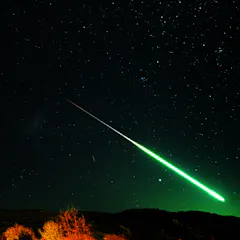
The green glow of an aurora is caused by oxygen ions in the upper atmosphere. Some meteors can glow in this way, too, but only if they are extremely fast.
Earth is moving through a bit of space where three streams of debris intersect with our orbit. These streams will give birth to the stars of this weekend’s show.

By tracking a meteorite found in Morocco back to its origin in an asteroid crater on Mars millions of years ago, scientists can learn more about how the planets formed.
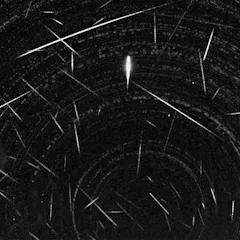
When the meteor exploded into pieces above New Zealand, it produced a shock wave strong enough to be picked up by earthquake seismometers. But any fragments have likely dropped into the ocean.
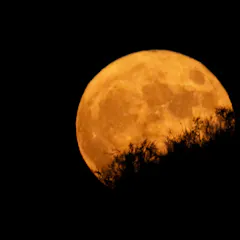
Take note, future colonisers: you may be able to grow stuff in certain places on the Moon.
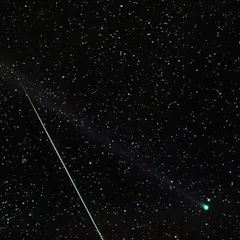
Each year, the Earth runs through a broad river of dust surrounding Comet Halley – giving birth to the spectacular Eta Aquariid meteor shower.
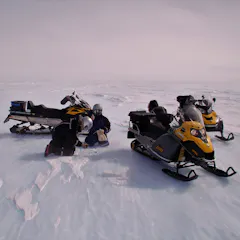
Scientists have crafted the world’s first “treasure map” to reveal Antarctica’s meteorites. These chunks of stone-like material could throw light on the mysteries of our early solar system.
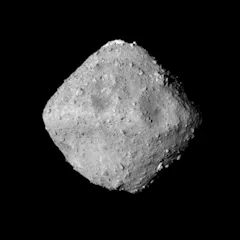
The Hayabusa2 mission brought a piece of asteroid Ryugu back to Earth, where it has helped scientists resolve a long-standing puzzle.
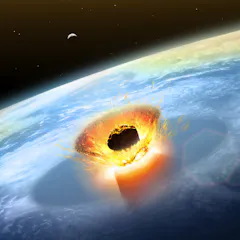
Impact craters are relatively shallow, so these bowl-shaped “dents” in Earth’s rocky crust can be easily buried or erased by erosion.
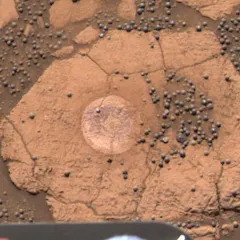
No conclusive evidence that extraterrestrial life exists has been found…yet.
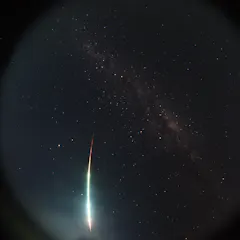
You might think lots of meteorites ultimately come from comets. Turns out, you’d be wrong, according to a new study that tracked meteors hurtling through the sky to find out where they came from.
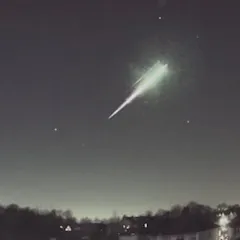
The hunt for the space rock involved a few bits of sheep poo before the real meteorite was found.
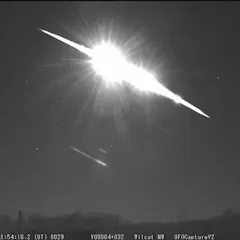
It looks like a broken barbeque brickette, but the newfound meteorite is a capsule of the Solar System’s history that could reveal the secrets of the origin of life.
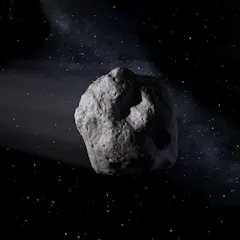
A small asteroid will cross Earth’s orbit on November 2. Scientists aren’t sure if the two will collide – but even if they do, there’s still no cause for alarm.

Martian meteorites allow scientists here on Earth to decode that planet’s geology, more than a decade before the first missions are scheduled to bring rocks back home from Mars.
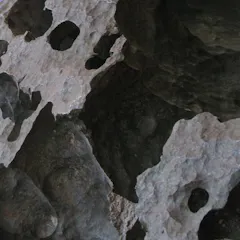
Tomanowos, aka the Willamette Meteorite, may be the world’s most interesting rock. Its story includes catastrophic ice age floods, theft of Native American cultural heritage and plenty of human folly.
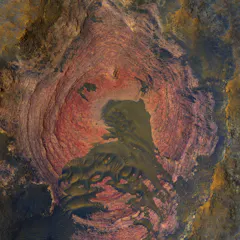
It’s established Mars was once a planet with surface-level water. So with multiple MARS missions starting next year, the key to seeking out martian life may instead lie in the contents of its ‘dust’.
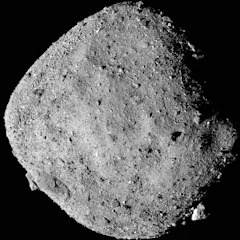
A 100-metre-wide asteroid passed just 70,000km from Earth on Thursday, and we had little warning it was about to happen. What threat is posed by asteroids and how do we find them?
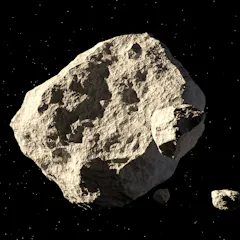
Asteroids have played a key role in our history and will continue to do so in the future.
Top contributors
-

Professor (Astrophysics), University of Southern Queensland
-
Professor of Planetary and Space Sciences, The Open University
-
Geologist, Monash University
-
Senior Curator (Astronomy), Museums Victoria Research Institute; The University of Melbourne
-
Professor of Structural Geology and Metamorphic Petrology, University of the Witwatersrand
-
Adjunct professor, UNSW
-
Professor of Geochronology, Curtin University
-
Senior Lecturer, School of Earth and Planetary Sciences, Curtin University
-
Post Doctoral Researcher in Achondrite Meteorites, The Open University
-
Professor, School of the Environment, The University of Queensland
-
Postdoctoral Fellow in Planetary Sciences, NASA
-
Senior lecturer, University of KwaZulu-Natal
-
Lecturer in Planetary Science, The Open University
-
Associate Professor in Astronomy, Monash University
-
PhD Candidate in Astronomy, University of Southern Queensland