

Healthy relationships have a positive influence on men’s health and mental health. Prioritizing relationship skills for men is one way to approach the global crisis in male suicide.
Articles on Men's health
Displaying 41 - 60 of 118 articles

More 9/11 responders died from physical and mental health issues after the terrorist attacks than on the day itself. And survivors are still suffering 20 years later.

New research suggests that despite the social mythology that surrounds testosterone in men, it may be much less important for life chances than previously thought.
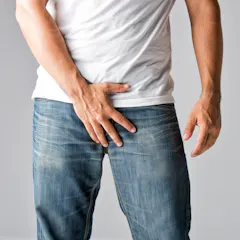
Warnings of an end to human sperm production have been making headlines recently, now with the added threat of shrinking penises. Is this science or sensationalism?

If you believe the memes, men spend ages in the toilet. But they’re not always pooing. Here’s what they’re really doing.
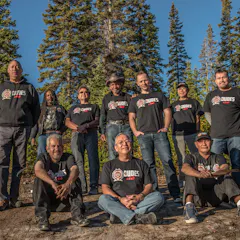
DUDES Club, with a little help from Movember, has shown how a grassroots health and mental health initiative could be mobilized to work by, for and with Indigenous men.
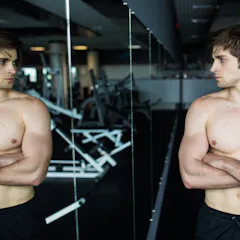
Social media and changing ideas about masculinity are making more and more young men believe their body is too small, skinny or insufficiently muscular.
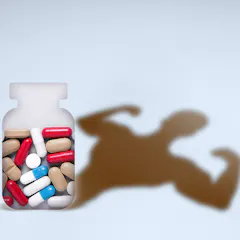
Idealized standards for muscular, fat-free male bodies may be fuelling the use of SARMs, or selective androgen receptor modulators, unapproved muscle-building drugs that are easily available online.
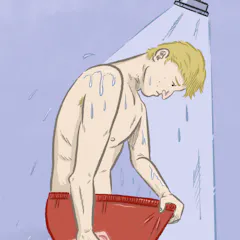
It’s a surprisingly common question. Here’s what you need to know.
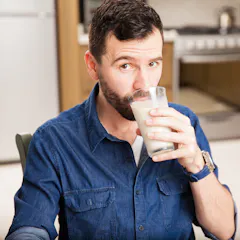
A recent study reported a high consumption of dairy products was associated with an increased risk of prostate cancer. But breaking down the results shows there’s no reason for men to give up dairy.
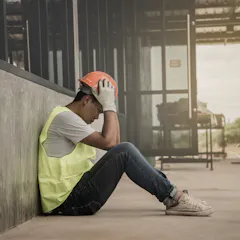
Research shows construction workers are at higher risk of mental illness and suicide than people in other jobs. Addressing this must start with dismantling the ‘macho’ culture on work sites.
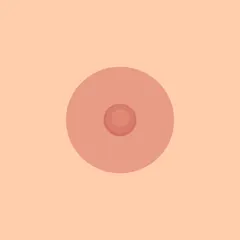
How embryos develop, evolution and sexual pleasure all help explain why men have nipples. But ‘man boobs’ are a different story.
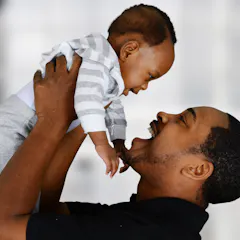
Two experts ask whether dads are making their health a priority. Evidence suggests not. Pressures to provide income often hold fathers back.

Many men who experience domestic abuse or violence are too embarrassed to seek help.

Traditional notions of masculinity affect the health and well-being of men and those around them. Here’s how we can challenge these stereotypes.

Research suggests that men who are exposed to cultural images of traditional masculinity have a greater vulnerability to sexual dysfunction than those who aren’t.
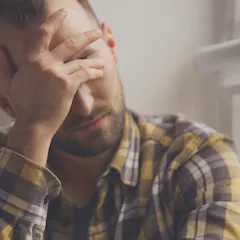
What’s often missing from domestic violence responses are investments and strategies to stop men perpetrating violence in the first place.

Australians report having sex once or twice a week, on average, but there are many variables. And that’s assuming people’s estimates are accurate.

Thousands of Australian men have vasectomies each year. These surgeries are successful in more than 99% of cases.
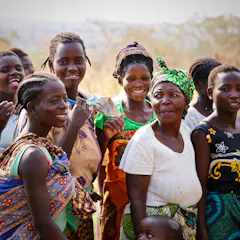
Female-centred health services are good, but they may detract from gender equality and men’s health.
Top contributors
-

Research Fellow in Public Health, The University of Queensland
-
Emeritus Professor in Public Health, University of Sydney
-
Visual Analytics and Data Science Storytelling at Western Sydney University, Western Sydney University
-
Endocrinologist and Andrologist, Cabrini Hospital & Honorary Clinical Associate Professor of medicine, Monash University
-
Foundation Chair in Primary Health Care, Western Sydney University
-
Senior Research Fellow in Public Health, The University of Queensland
-
Laureate Professor in Nutrition and Dietetics, University of Newcastle
-
Associate Professor, Department of Epidemiology and Preventive Medicine, Monash University
-
Professor of Sociology, School of Justice, Queensland University of Technology
-
Professor of Psychiatry, Monash University
-
Senior Researcher, University of Cape Town
-
Adjunct Associate Professor, Department of Obstetrics and Gynaecology, Monash University
-
Professor and clinician in fertility medicine, Hudson Institute
-
Professor of Dermatology, The University of Melbourne
-
Associate Professor, Deakin University