
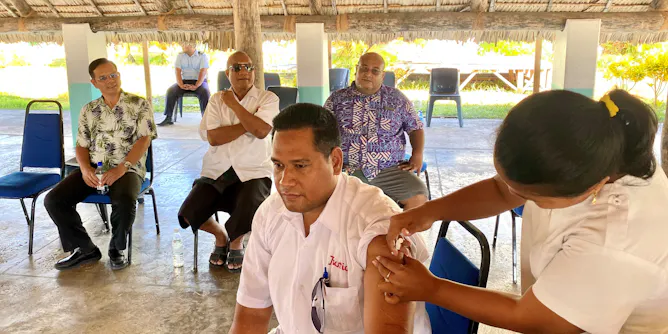
COVID-19 might have hit Pacific nations harder had it not been for Cuba’s long-standing policy of international medical diplomacy and cooperation.
Articles on Medical training
Displaying 21 - 40 of 57 articles
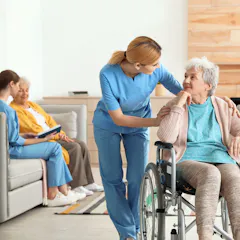
Health education curriculums need to specifically prepare healthcare professionals to respond to a pandemic when it comes to aspects like infection control, aged care and mental health.

Trans and non-binary people often avoid seeing a doctor because they fear discrimination. Health professionals need better training to provide gender-affirming care.
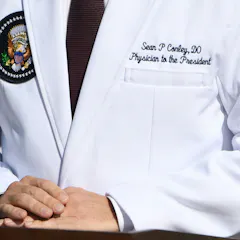
Almost 10% of physicians in the US are doctors of osteopathic medicine, and that proportion is rising. Their medical knowledge matches that of other doctors; the difference is the philosophy behind it.
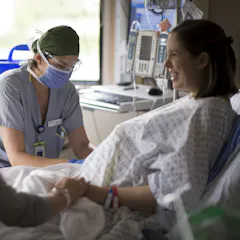
Using actors can provide nurses with valuable training dealing with a diverse set of patients.
We need to make sure those brought in to help cope with the pandemic have adequate training to avoid any risks in patient care.

We need to recapture the humanity of the NHS and make doctors feel more than grinding cogs in a brutal machine.

Dissection is important for developing a range of skills, as well as moral and ethical training and a humanistic approach to patient care.

A ‘learn local’ strategy, along with increased residency positions and the return of a rotating internship could go a long way towards improving Canada’s system of medical training.

Simulating real-life disaster situations helps students develop physical and emotional resilience and leadership skills.
The person in charge of your surgery is a consultant surgeon. A consultant is the most qualified doctor in a hospital.

Canada’s systems of health funding, medical training and physician compensation need an overhaul – to support vital centres of medical research and complex care.

Doctor communication is an important part of their education. But they can’t have unlimited empathy for their patients either, or they’d never get the job done.
Thousands of medical graduates across Canada are waiting nervously to find out whether they will secure a coveted residency spot in the area of their choice.
A radical new model of “competency based” medical education emphasizes trainee skill over time invested. Queen’s University is the first in Canada to fully embrace this shift.

After the tragic death of a young woman undergoing a cosmetic procedure, people are rightly asking who should be able to administer anaesthetics.
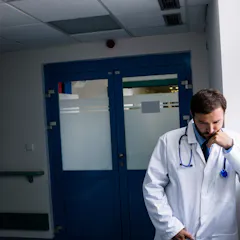
If we want doctors to listen, be empathetic, solve complex problems, we need to invest seriously in their well-being.
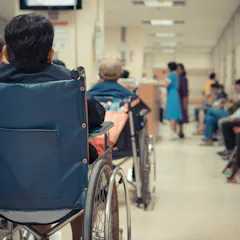
Australia has more doctors per population than most comparable countries, yet many living in rural and remote areas don’t receive the care they need. Changing the way we train doctors will fix this.
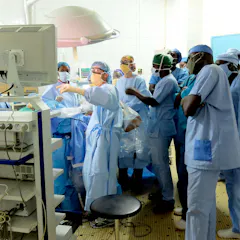
About a quarter of medical students show symptoms of depression, and one in ten report suicidal thoughts.
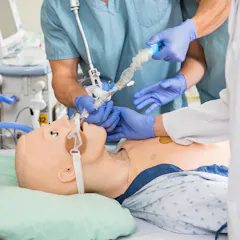
Medical students are practising invasive techniques on themselves and fellow students, a new study shows. But aside from obvious safety concerns, is there anything wrong with self-practice?
Top contributors
-

Professor of Medicine (Cardiology), Queen's University, Ontario
-
Dean of Medicine & Dentistry, James Cook University
-
Director of Translational Institute of Medicine (TIME), Queen's University, Ontario
-
Senior Lecturer, Population Medicine and Sub-dean Student Support, Sydney Medical School, University of Sydney
-
Associate Professor, School of Psychiatry, UNSW
-
Clinical Lecturer, Anaesthetist, The University of Melbourne
-
Munk Global Journalism Fellow, University of Toronto
-
Professor, Social Foundations of Medicine, Medical School, Australian National University
-
Associate Professor, Sydney Medical School, University of Sydney
-
Professor of Community Medicine and Clinical Education, Bond University
-
Co-Director, Menzies Centre for Health Policy, University of Sydney
-
GP and Clinical Skills Educator, Griffith University
-
Academic Lead, Ethics and Professional Practice, Griffith University
-
Principal Researcher, University of Cambridge
-
Senior Lecturer in Medical Ethics and Law, St George's, University of London