

Why do medical students remember rude mnemonics decades later? The answer reveals something fascinating about how all of us learn and remember.
Articles on Medical education
Displaying 1 - 20 of 51 articles
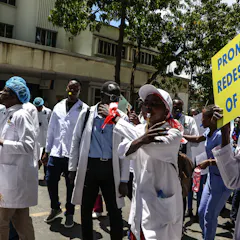
Health workers consistently move from poorer countries to richer ones, a pattern that tracks closely along lines drawn by colonial history.
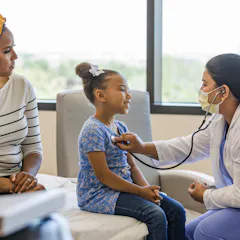
Foreign-born doctors account for 1 in 5 physicians in the US – and they often practice in regions where the physician shortage is most severe.

When Indigenous communities shape how health professionals are trained, it’s a path toward trust, equity and a health system that finally reflects the people it serves.

‘The Pitt’ offers compelling insights about what it means to teach with and through trauma that are relevant for education in schools and at post-secondary levels at large.
Health disparities cost society billions of dollars, and their effects ripple across communities.

While there is no single perfect solution, there are a number of approaches that all have potential to relieve Canada’s medical workforce crisis. It’s time to explore and pursue them.

This process of looking and asking questions about what you are looking at is needed at all levels of science, and science students can learn through arts-inspired visual analysis.

Many doctors become reluctant to ask questions or seek help when uncertain. This is exactly the opposite of what most patients want in a doctor making crucial decisions about their care.

Soliciting medical student feedback about work placements in ways that provokes critical reflection about inequities is part of creating more accountable medical education.

De-centring medical expertise means fostering skillsets that reduce disparities in health outcomes. Medical expertise alone is great for those with social privilege, but not enough for the rest.

Your doctor’s MD emerged from the Dark Ages, where practicing rational “human medicine” was seen as an expression of faith and maintaining one’s health a religious duty.

Education has a role to play in addressing the shortage of family doctors. A new program is designed specifically for comprehensive, community-based family practice.
A winning medical school application requires stories about observing clinical care. But applicants’ quests to get clinical experiences have unintended and surprisingly far-reaching consequences.
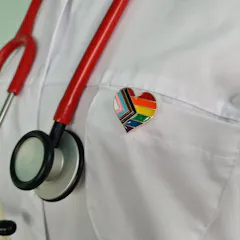
Though some LGBTQ+ health care providers may try to separate their personal and professional identities, the prejudice they experience highlights their queerness in the clinic.
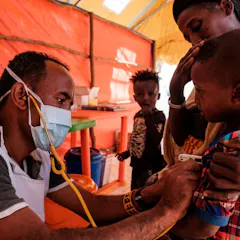
Since the war broke out, some healthcare workers have lost their jobs, others have been displaced, wounded, threatened or killed.
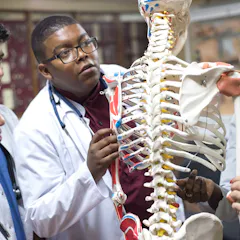
The development of an immersive mobile phone application for university anatomy students offers insights into the future of online learning.

The unique skills of Canadian health-care workers with international disaster experience could be a valuable resource during domestic emergencies.
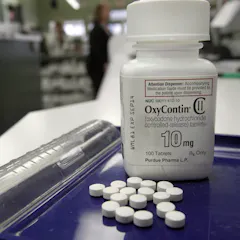
The Purdue Pharma settlement is paltry compared to costs of the opioid crisis. Without major changes to pharma industry regulation, there is little reason to think a similar crisis won’t occur again.

Voluntary medical societies have important roles in professional education and advocacy for doctors and patients, but there is need for transparency about relationships with pharma and health industry.
Top contributors
-

Associate professor, Department of Family and Community Medicine, University of Toronto; York University, Canada; University of Sydney
-
Professor, biological anthropologist and anatomist, UNSW
-
Professor of Medicine (Cardiology), Queen's University, Ontario
-
Dean, Western Sydney University
-
Associate Professor of General Pediatrics, University of Florida
-
Postdoctoral Fellow at BC Centre on Substance Use | jointly affiliated with Primary Connections, University College Dublin, University of British Columbia
-
Professor of Pathology, UNSW
-
Senior Lecturer, Population Medicine and Sub-dean Student Support, Sydney Medical School, University of Sydney
-
George Dock Professor of Medicine, University of Michigan
-
Associate Professor, School of Psychiatry, UNSW
-
Adjunct Associate Professor, Anatomy, UNSW
-
Associate Professor in Medical Education, The University of Melbourne
-
SHARP Professor, Vitalities Lab, Centre for Social Research in Health and Social Policy Centre, and the ARC Centre of Excellence for Automated Decision-Making and Society, UNSW
-
Professor of Health Sciences, Simon Fraser University
-
Associate professor, University of Wollongong