

During a pandemic, what would MacGyver do? He’d cobble together masks and ventilators from the things around him. Now health-care workers are doing the same. But there are risks.
Articles on Medical devices
Displaying 21 - 40 of 52 articles
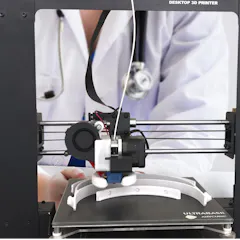
Designers, engineers, makers and doctors worldwide have used 3D printing to produce products such as face shields, face masks, ventilator components, hands-free door openers and nasal swabs.
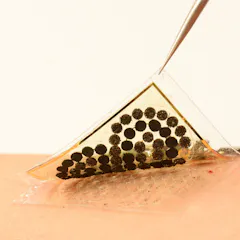
Lightweight, flexible materials can be used to make health-monitoring wearable devices, but powering the devices is a challenge. Using fuel cells instead of batteries could make the difference.
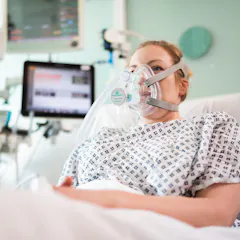
In under 10 days, engineers from UCL and Mercedes F1 reverse-engineered a product, produced a new design, tested it, got regulatory approval and started production.
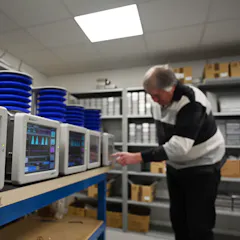
It’s not as simple as churning out more products, though that’s a good starting point.

Predicting life expectancy remains in the realm of science fiction, but it may soon be possible. Are we prepared for such information? And who else would benefit from this knowledge?
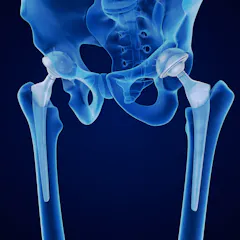
How an implant is designed, tested, regulated and discussed with patients tends to disadvantage women. It’s time that changed.
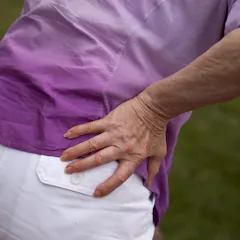
Health insurance costs are rising and the price of prostheses such as hip replacements are partly to blame. But there is a way to rein in costs – and give patients more choice and better devices.

The proposed Australian ban of some types of breast implants is too little, too late. It also reveals regulatory failures that need to be fixed if Australian consumers are to be protected.
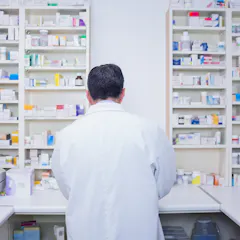
Every year, thousands of medical devices and drugs are recalled in the US. But the decision to recall a flawed product is often left up to the manufacturer.

Unlike condoms, which need to be used every time with sex, or the pill, which must be taken every day, LARC doesn’t require any action after placement in the body and is immediately reversible.

Who should be legally responsible when 3D printed devices fail? Proposed changes to the Therapeutic Goods Administration’s regulatory framework have the potential to settle that question.
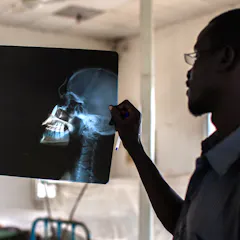
African countries need to start producing and developing their own medical devices. Suitably skilled biomedical engineers are needed for this sort of innovation to take root.
One professor explains how war in Iran led her to a career in biomedical engineering - a rapidly growing field that offers students exciting opportunities to serve humanity.
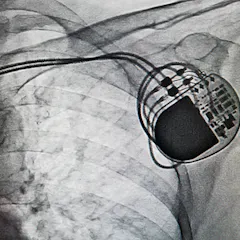
Australia’s Therapeutic Goods Administration must learn to deal with software rather than simply bits of metal and plastic.
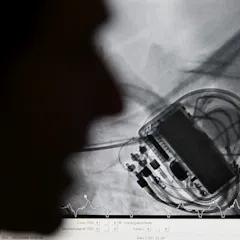
Pacemakers are Internet of Things devices for the human body, but they’re still not particularly secure.

One day doctors could instantly diagnose your illness with a handheld device.

BCI devices that read minds and act on intentions can change lives for the better. But they could also be put to nefarious use in the not-too-distant future. Now’s the time to think about risks.

Regulatory bodies approved some medical devices to treat pelvic organ prolapse and urinary incontinence before having data to prove their safety and efficacy.

New research works out how to translate between the language of biology – molecules – and the language of microelectronics – electrons. It could open the door to new kinds of biosensors and therapeutics.
Top contributors
-

Associate Professor, School of Law, University of Canberra
-
Associate Professor of Law, Bond University
-
Associate Professor of History, Auburn University
-
Lecturer, Adelaide University
-
Prematurity Clinical research fellow, Imperial College London
-
Professor of Bioethics, Macquarie University
-
Professor of Bioethics & Medicine, Sydney Health Ethics, Haematologist/BMT Physician, Royal North Shore Hospital and Director, Praxis Australia, University of Sydney
-
Biomedical Science/Law student, Monash University
-
Adjunct Fellow, Computer Science and Software Engineering, Swinburne University of Technology
-
Biomedical Science/ Law student, Monash University
-
Professor of Medicine, Monash University
-
Professor of Electrical and Computer Engineering, Tufts University
-
Professor of Practice, Sydney Medical School, Faculty of Medicine and Health, University of Sydney
-
Lecturer, Department of Biomedical Science, University of Sheffield
-
ARC Future Fellow, Australian National University