
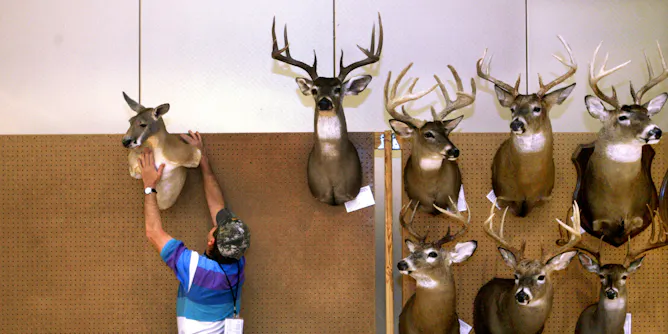
Humans must kill animals in many cases, but they can still modify their behaviours to improve the welfare of animals while they are alive.
Articles on Meat consumption
Displaying all articles
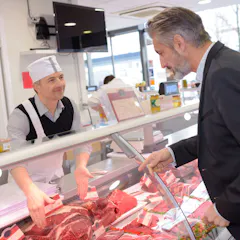
Official estimates indicate that meat consumption is falling in the UK – but not all of the data agrees.

The average amount of meat a person ate each year worldwide increased from 29.5kg in 2000 to 34kg in 2019. But there are some surprising differences between nations, including Australia and NZ.
But the national goal of cutting meat intake by 30% over the next ten years is likely to be missed.

Leather isn’t just a by-product of the meat industry, and raises serious moral questions for anyone who cares about animal rights.
We could one day adapt to eating the flesh of our own kind - but not until our lives depend on it.
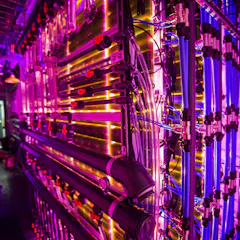
Soybean cultivation for animal feed is destroying rainforests across the world. Microalgae may be the Amazon’s closest ally.

There are clearly changes happening in meat consumption. But it’s not being fuelled by an increase in veganism and vegetarianism.
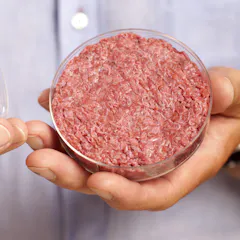
Surveys suggest fewer than half of Americans are looking forward to lab-grown meat. A moral psychologist examines common objections and why for the most part they’re not logical.

The truth is hard to stomach, but meat consumption is taking us towards global ecocide.

The current trend is to dispense with meat and even any animal products. What does science say about these new diets?

Based on a seductive story of providing food with zero consequences, cellular agriculture promises to get rid of the ethical, environmental and health costs of animal husbandry. But is that realistic?
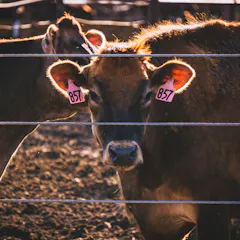
Total meat consumption per capita in Australia has been stable since the 1960s but the type of meat consumed has changed significantly. Chicken and pork both now far outstrip beef, mutton and lamb.

We might be able to grow artificial meat but are people really prepared to eat such produce over meat from farmed animals?
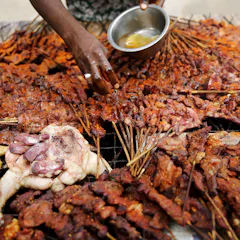
Simply calling on people to eat less meat is not very useful. The consumption of meat, after all, is embedded within numerous social and cultural practices. But changing diets can benefit the planet.

As consumption has soared and prices have fallen, the realities of industrial chicken farming often clash with the values of people who live on the urban fringes where broiler farms are sited.
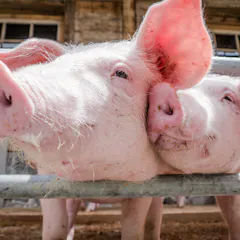
Talking cows, talking pigs? It’s enough to send you vegetarian. Maybe …

We go to great lengths to avoid the mental conflict between our desire not to harm animals and our love of sausages.
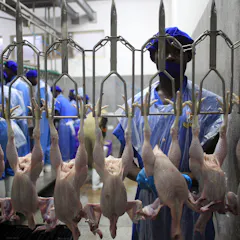
Meat has health benefits. And good quality meat could also be the solution to the food insecurity problems that plague two-thirds of households in the developing world.
Top contributors
-

Associate Professor in Sustainability and Urban Planning, RMIT University
-
Senior Lecturer in Urban Planning & Design, Monash University
-
Postdoctoral Research Associate in Psychology, Yale University
-
Adjunct Professor in Animal Welfare, Curtin University
-
Lecturer in Social Psychology, Lancaster University
-
Postdoctoral Research Fellow, Department of Livestock and Pasture, University of Fort Hare
-
Professor of Meat Science and the co-host of the NRF SARChI Chair in Meat Science, University of Fort Hare
-
Senior Lecturer in Political Communications, Nottingham Trent University
-
Director of SymbioticA;The Centre of Excellence in Biological Arts, Professor in Contestable Design, The University of Western Australia
-
Research Associate, University of Guelph
-
Professor of Sustainability, Curtin University
-
Research Affiliate, Centre for the Study of Existential Risks, University of Cambridge
-
Professor, Dept of Food, Agricultural and Resource Economics, University of Guelph
-
Professor, Food Economics, University of Guelph
-
Wildlife ecologist, University of Southern Queensland