
Many women are not getting the right kind of attention.
Articles on Maternal health
Displaying 141 - 160 of 187 articles
Childbirth in the U.S. can be dangerous and dehumanizing. An ob/gyn who traveled recently to India to review childbirth there says the U.S. and India fall short in similar ways.
Midwives should provide continuous support during labour and birth and they should respect women’s choices when it is within safe practice to do so.
Hyperemesis gravidarum causes severe nausea and vomiting during pregnancy. Even though it affects up to 3 percent of pregnancies, research about its causes and treatments is sparse.

Depression after pregnancy has been studied for a while, but less attention has been paid to depression during pregnancy, which occurs in one in 10 women. Here are some reasons it should be treated.
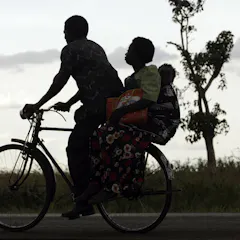
A study in Malawi shows how the participation of local community leaders in policy development can change men’s attitudes to maternal and child health for the better.

Our statistical analysis found that as the sex ratio at birth went up – that is, more males were born – so did life expectancy in a strongly related manner.

The clinical committee reviewing obstetrics services for the federal government’s Medicare review said suicide is one of the leading causes of maternal death in Australia. Is that true?
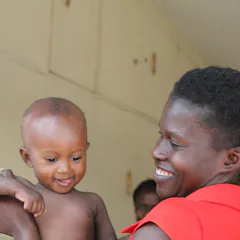
In Kenya, not much attention has been paid to addressing pregnant women’s nutritional needs. This has exposed a gap in efforts to improve maternal and child health.

A pregnant woman’s immune response may be a risk factor for some neurological conditions like autism and schizophrenia in the baby later on.
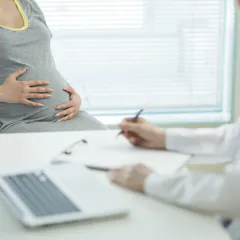
Physicians like me are learning about Zika along with our patients. This takes a dose of humility on our part and an understanding from our patients that we learn something new every single day.

We don’t know much about fear during childbirth and its effects on outcomes for women and their newborns in the United States.
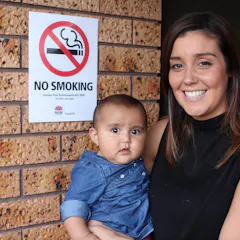
Almost half of pregnant Indigenous women smoke compared to one in eight in the non-Indigenous population. This means 7,000-9,000 Indigenous babies every year are exposed to smoking in the womb.

An environment rife with shame is a fertile breeding ground for conflict: pitting mother against mother.

More than two million women across the world suffer from obstetric fistula – a hole in the birth canal that makes them incontinent – but this can be avoided.
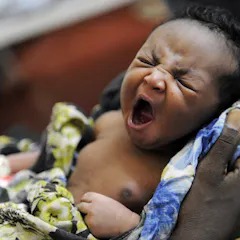
The cases of two women who died in childbirth in two different parts of Uganda are being used in a Constitutional Court battle forcing the government to fulfill its healthcare obligations.

Standards for prenatal care for incarcerated women vary from state to state, and when care is available, the quality might not be adequate.

It’s impossible to think about maternal health in Ethiopia without thinking about the time and distance between where rural women live and where the government constructs health facilities.
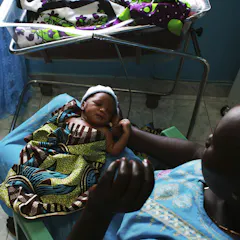
Africa faces the monumental task of reducing its maternal deaths by three-quarters if it is to meet the Sustainable Development Goals around maternal mortality.

The death of a baby, whether born or unborn, is a devastating and traumatic event. More than 2,000 stillbirths occur every year in Australia. But a large number of them can be prevented.
Top contributors
-

Professor of Child Public Health, Swansea University
-
Professor of Midwifery, Associate Dean Research and HDR, Midwifery Discipline Leader, Western Sydney University
-
Research scientist, African Population and Health Research Center
-
Senior lecturer, York St John University
-
Professor of Obstetrics & Gynaecology, Griffith University
-
Associate professor, London School of Hygiene & Tropical Medicine
-
Research Scientist, African Population and Health Research Center
-
Associate professor, University of California, San Francisco
-
Research Fellow, University of Bergen
-
Vicki Flenady is a Friend of The Conversation.
Professor, Mater Research Institute; Director, Centre of Research Excellence in Stillbirth, The University of Queensland
-
Director of the Perinatal Mental Health Project; Associate Professor, University of Cape Town
-
Honorary Associate Professor, Australian National University
-
Caroline Homer is a Friend of The Conversation.
Deputy Director (Gender Equity, Diversity and Inclusion), Burnet Institute
-
Professor of Human Immunology, Swansea University
-
Research Assistant Professor of Maternal and Child Health, Texas A&M University