
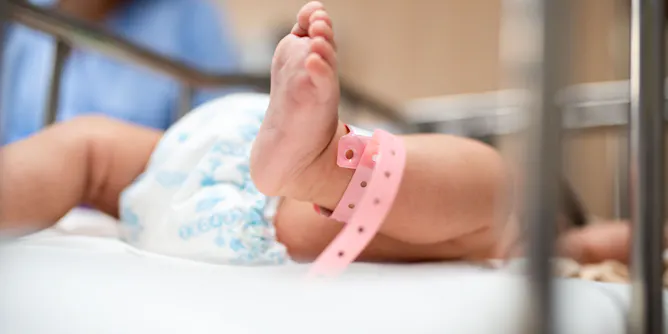
Detecting impaired motor function in infants using AI-driven motion capture is producing promising results. A French research team introduces the new screening tool for spinal muscular atrophy (SMA).
Articles on Infant health
Displaying 1 - 20 of 124 articles
Detroit had 20,370 eviction cases filed in 2025. But evictions that do not go through the formal court process are not included in the city’s official eviction data.
In the US and Sweden, there’s been a drop in the number of babies receiving the vitamin K injection. But Australia doesn’t collect national data.
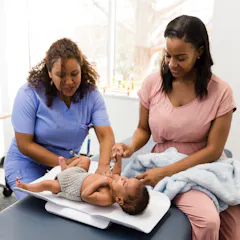
A single dot on a growth chart doesn’t mean much in isolation. Here’s what your nurse is looking for when checking your baby’s growth – and how they’ll support you.

Growing evidence shows that men’s health also plays a vitally important role in pregnancy and child development.
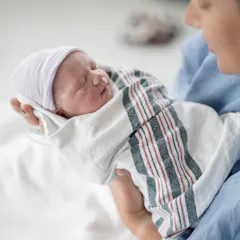
The decision undoes a highly effective 34-year prevention strategy that has nearly eliminated early childhood hepatitis B infections in the U.S.
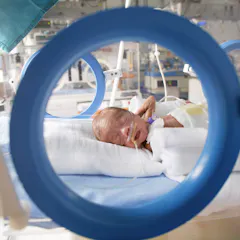
Rates of preterm births, maternal deaths and other adverse birth outcomes are abysmal across the US, but there are clear strategies that could help the nation reverse course.
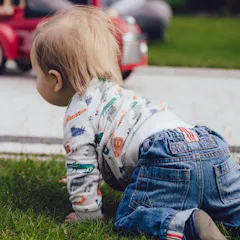
Research has shown physio improves physical and cognitive outcomes for babies with cerebral palsy.
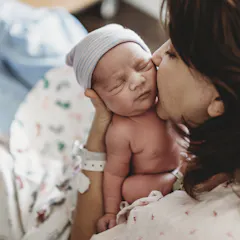
If a newborn is exposed to hepatitis B at birth, there’s a 90% chance they’ll develop a lifelong infection.
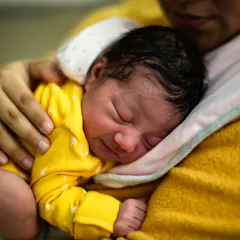
Before universal vaccination for hepatitis B began in 1991, 18,000 children contracted the virus by age 10 each year, and most of them developed chronic illness and liver damage. Vaccination reduced those infections by 95%.

These foods make up one-third of kids’ daily energy intake.
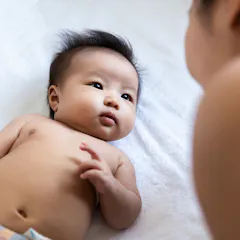
Is it better to chat to babies in the tone and pace we’d use when talking to other adults, or is it OK to talk in a slower, higher pitched, sing-song voice?
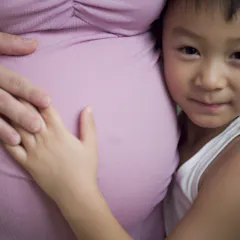
Public health experts and professional health care associations have expressed concern that the guidance goes against research on the vaccine’s benefits in pregnancy.
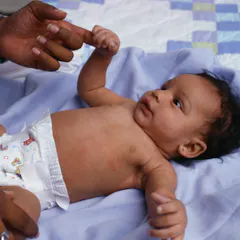
Rates of the bacterial infection have gone up by 500% since last year, with babies and young children most at risk.
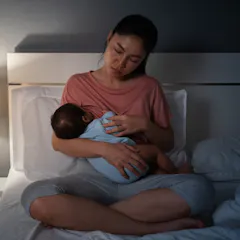
It might be tempting, but feeding your baby butter is not the answer. Here’s what to try instead.
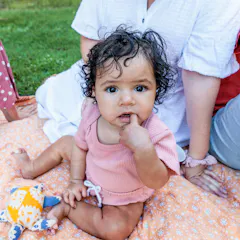
Indigenous children are 11 times more likely to be removed than non-Indigenous children. Babies under one are at greatest risk.
Most babies shed it in the womb at around 33-36 weeks of pregnancy, where it mixes with amniotic fluid and is swallowed by the baby. Babies born early, however, tend to have a lot more body hair.
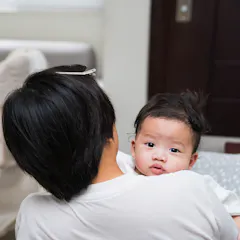
If you feel burping is helpful to your baby, then keep doing what you’re doing. If trying to burp your baby after every feed is stressing you or your baby out, then you don’t have to keep doing it.

Formula-fed babies can switch to cow’s milk from six months, so long as they’re getting enough iron in their diet.

Children born through international surrogacy aren’t protected by Australian laws.
Top contributors
-

Adjunct Professor, School of Nursing and Midwifery, Western Sydney University
-
Research Fellow, University of Sydney School of Public Health, University of Sydney
-
Professor of Midwifery, Associate Dean Research and HDR, Midwifery Discipline Leader, Western Sydney University
-
Honorary Associate Professor, Australian National University
-
Caroline Homer is a Friend of The Conversation.
Deputy Director (Gender Equity, Diversity and Inclusion), Burnet Institute
-
Associate professor, Neonatologist, Lund University/Skåne University Hospital, Lund University
-
Assistant Professor of Pediatrics, University of Colorado Anschutz
-
PhD candidate, Sydney School of Public Health, University of Sydney
-
Professor of Midwifery, Western Sydney University
-
General Practitioner, Researcher, The University of Queensland
-
Associate Professor of Law (Health Law), Deakin University
-
Professor & Tresillian Chair in Child & Family Health, Faculty of Nursing, Midwifery & Health, University of Technology Sydney
-
Associate Professor, Lund University, Sweden, Lund University
-
Professor of Paediatrics and vaccinologist, Royal Childrens Hospital, University of Melbourne and Murdoch Childrens Research Institute (MCRI); Associate Dean International, University of Melbourne, Murdoch Children's Research Institute
-
Professorial Fellow in Psychiatry, The University of Melbourne