
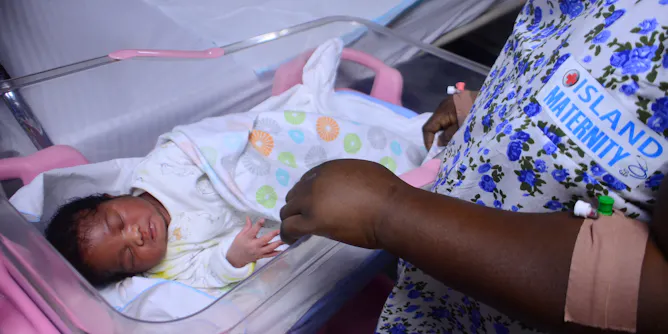
The factors associated with death in mother and baby included low education in the mother, lack of antenatal care, referral from another facility.
Articles on Maternal health
Displaying 61 - 80 of 187 articles
The direct effects of COVID-19 disease on pregnant women, newborns and children are acknowledged. But the indirect effects of the pandemic have been equally devastating.

For every maternal death, there are about an additional 20 women who suffer serious injuries, infections and disabilities related to pregnancy.

When states reduce barriers for low-income children to get coverage, their mothers are more likely to be married and less likely to smoke.

Rage is a part of human motherhood, sandwiched between grief and shame. But it can be harnessed to build a better world.
Urban poverty is having an adverse impact on the health of mothers and children.
There is growing evidence that when poor-quality oxytocin is used, it fails to prevent post-partum haemorrhage.
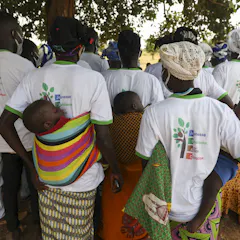
Burkina Faso is one of the poorest countries in the world. Financial barriers still prevent many families from getting the health services they need.
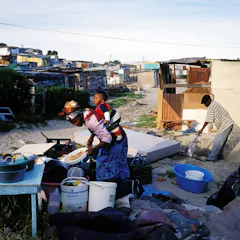
Pregnant women and mothers of infants are at a higher risk of experiencing depression because of increased pressures they face economically, in their relationships, with their families, and socially.
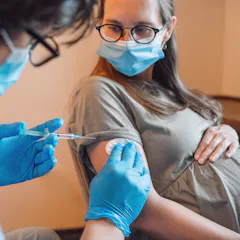
In light of mounting research showing the serious risks of contracting COVID-19 during pregnancy, the CDC is re-upping its urgency that pregnant women get their shots.

Carrying a pregnancy to term is riskier than having an abortion, especially for non-Hispanic Black women.

Using data from the popular navigation app, researchers have pinpointed the areas of Lagos, Nigeria, where emergency obstetric care is most needed.
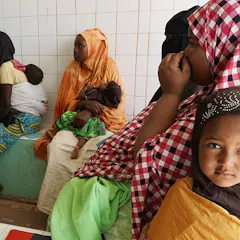
The average Nigerian woman or child faces a host of hindrances in accessing health services.
Relying on donor funding means that the funder ultimately determines the health priorities. This is one reason why many programmes in Africa focus on a single disease such as HIV.
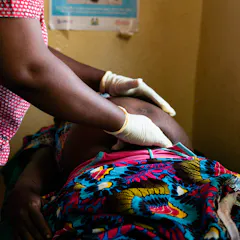
Fathers who attend antenatal care may be keen to support the well being of their partners and children, but are left unengaged and often disappointed.
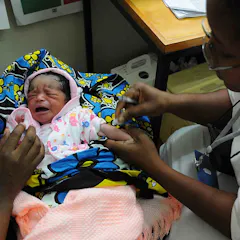
Our findings provide an additional tool for determining what to prioritise, where to target and when to intervene.
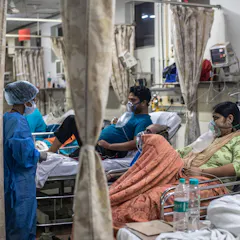
COVID-19 has overwhelmed India’s hospitals partly because decades of under-investment in public health have left the country with one of the most privatised health systems in the world.
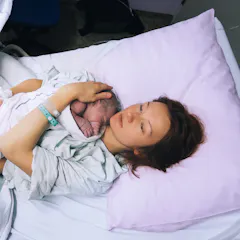
New Zealand’s Accident Compensation Corporation has been urged to reconsider a policy change that restricts access to treatment for women who suffered common birth injuries.

Malnutrition during the first 1000 days of life can cast a long shadow over a person’s life.
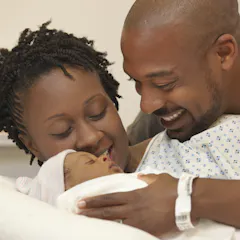
Men can practically help their partners access care by assisting with the costs of attending clinical appointments such as transportation, health insurance, and meals while on route to the clinic.
Top contributors
-

Professor of Child Public Health, Swansea University
-
Professor of Midwifery, Associate Dean Research and HDR, Midwifery Discipline Leader, Western Sydney University
-
Research scientist, African Population and Health Research Center
-
Senior lecturer, York St John University
-
Professor of Obstetrics & Gynaecology, Griffith University
-
Associate professor, London School of Hygiene & Tropical Medicine
-
Research Scientist, African Population and Health Research Center
-
Associate professor, University of California, San Francisco
-
Research Fellow, University of Bergen
-
Vicki Flenady is a Friend of The Conversation.
Professor, Mater Research Institute; Director, Centre of Research Excellence in Stillbirth, The University of Queensland
-
Director of the Perinatal Mental Health Project; Associate Professor, University of Cape Town
-
Honorary Associate Professor, Australian National University
-
Caroline Homer is a Friend of The Conversation.
Deputy Director (Gender Equity, Diversity and Inclusion), Burnet Institute
-
Professor of Human Immunology, Swansea University
-
Research Assistant Professor of Maternal and Child Health, Texas A&M University