
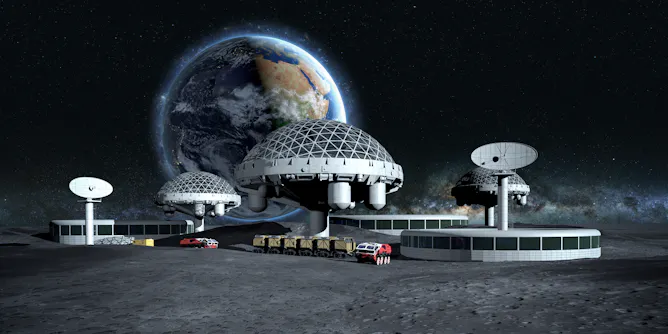
Scientists are figuring out how to reduce the cost of space travel – to and from the Moon and possibly to Mars. One approach is to mine the Moon for resources necessary for interplanetary travel.
Articles on Mars
Displaying 201 - 220 of 348 articles
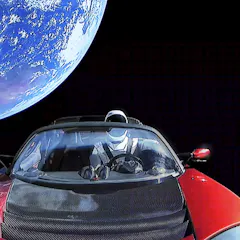
SpaceX’s advances in space technology have reduced barriers to space and changed the direction of American space policy, but it is not without its challenges.
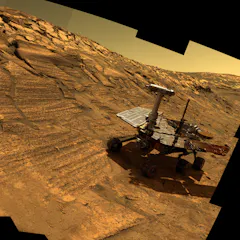
Rovers including ‘Rosalind Franklin’ will pick up where Opportunity left off – trying to answer the question of whether there is, or ever has been, life on Mars.
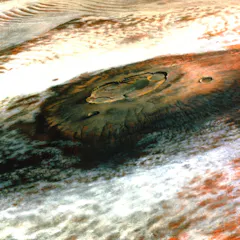
Naming features on other worlds is a trickier issue than you might think.
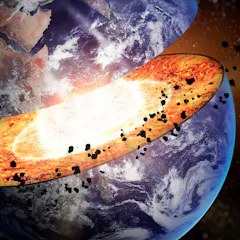
The Earth’s core is cooling down, and one day it will be completely solid – when that happens, Earth might look a lot like Mars.
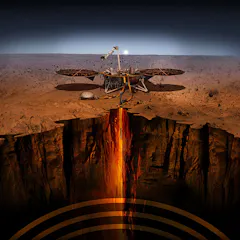
From turning on instruments to gathering the first data, the next few months will be busy for Mars scientists.
Mars has long captured our imagination, from claims of canals to Martian attacks and now our latest NASA exploration to look inside the red planet.
I’ve worked with NASA’s Mars Exploration Rover Project for 16 years. If you got yourself a ticket to Mars, here’s how I’d advise you to prepare. And by the way, any mistake could kill you.
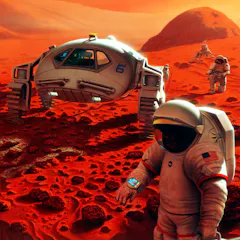
NASA’s InSight Mars lander touches down Nov. 26, part of a careful robotic approach to exploring the red planet. But human exploration of Mars will inevitably introduce Earth life. Are you OK with that?
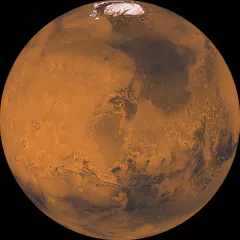
There’s enough dissolved oxygen in the salty lake below Mars’ surface to support simple lifeforms such as sponges. Here’s what that means for space exploration.
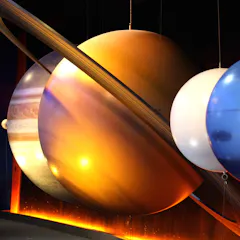
The five planets visible to the naked eye since ancient times are putting on a dazzling display this month, in a night-sky dance along with the Moon.
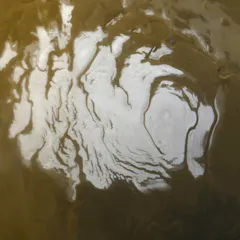
Studies from our own planet shed light on whether there could be life in a subglacial lake on Mars.

The moon is our closest neighbour and our best hope for building capacity to explore space.

Could Canadian technology play a part in the newly announced U.S. Space Force? A team at McMaster University has developed an instrument that could keep Space Force troops safe from radiation.
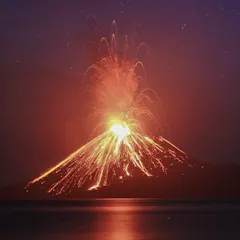
Compared to Earth, more “oomph” is required to bring magma to the surface of Mars, and this is probably why we haven’t seen any recent eruptions on the red planet.
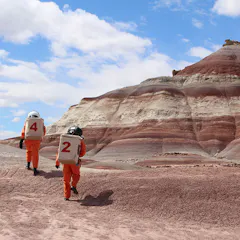
Augmented reality technology could help recreate familiar sensory experiences from Earth.
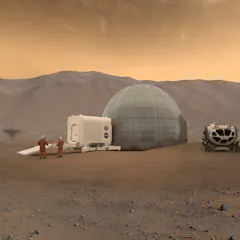
Elon Musk may be disappointed by recent studies threatening his plans to go to Mars, but planetary scientists are breathing a sigh of relief.

The longest lunar eclipse this century, and other special features such as Mars looking spectacular will be seen.
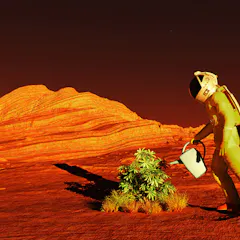
If humans are to live on Mars they will need a stable supply of food. Earth plants are not suited to the Mars climate but we can engineer plants that are.
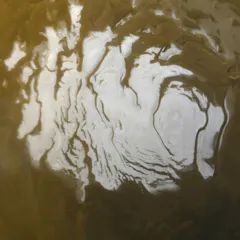
Researchers have found evidence of a large lake of salty water, buried 1.5 kilometres beneath the southern polar ice cap on Mars. So what does that mean for life on the red planet?
Top contributors
-

Postdoctoral research associate, University of Oxford
-
Professor of Planetary and Space Sciences, The Open University
-
Professor of Planetary Geosciences, The Open University
-
Professor of Physics, Deputy Director (Solar System) at the Mullard Space Science Laboratory, UCL
-
Senior Lecturer in Physics, Nottingham Trent University
-
Senior Instrument Scientist, Australian Nuclear Science and Technology Organisation
-
Senior Curator (Astronomy), Museums Victoria Research Institute; The University of Melbourne
-
University Distinguished Professor of Astronomy, University of Arizona
-
Scientist, Max Planck Institute for Solar System Research
-
Professor of Strategy and Security Studies, Air University
-
Professor of Planetary Science, University of Leicester
-
Professor in Earth Sciences, Nanyang Technological University, Singapore, and Emeritus Professor of Mineral Physics, University of Cambridge
-
Kevin Orrman-Rossiter is a Friend of The Conversation.
Sterrenkenner, History & Philosophy of Science, The University of Melbourne
-
Earth Sciences Postdoctoral Scientist and Adjunct Associate, Dartmouth College
-
ARC Future Fellow, School of Earth and Planetary Sciences, Curtin University