
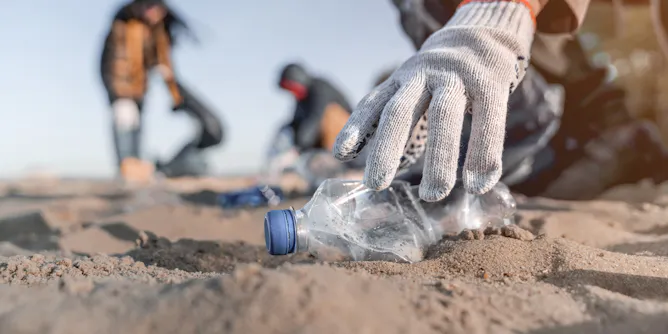
Over 170 countries have endorsed a resolution to negotiate a plastics treaty that’s much more precise than the Paris climate change agreement.
Articles on Marine plastic litter
Displaying 1 - 20 of 32 articles
The grisly discovery of a disembodied foot on a NSW beach was a tragic twist in the mystery of missing woman Melissa Caddick. Such tragedies can also reveal hidden currents connecting the planet.
Each bit of plastic takes a unique journey once it reaches the ocean. We’re trying to spot the patterns.
We need to focus on causes like overconsumption, not the material itself.
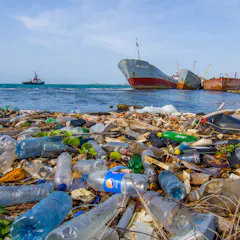
What groups like the G20 can do to help fix the problem.
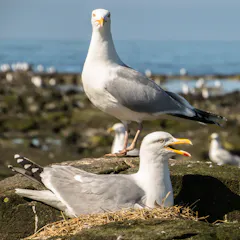
We found plastic waste in pellets seabirds regurgitated and lining the nests where they raise chicks.
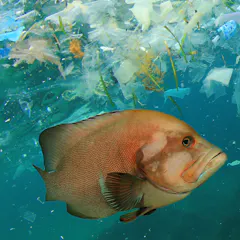
Plastic flows to the world’s waterbodies could double over the next two decades.
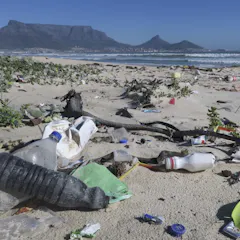
Knowledge about the movement of marine plastics will help reduce the impact of plastic pollution in water bodies.
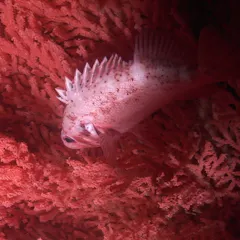
Here’s how microplastics from your clothes end up in the deep sea.
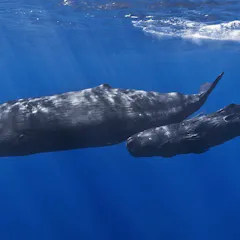
The Great Pacific Garbage Patch, a floating accumulation of rubbish the size of a continent, has whales and dolphins in its heart.
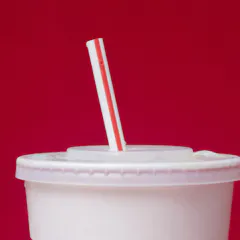
Governments need better information on which types of plastic generate the most pollution — citizens can help.
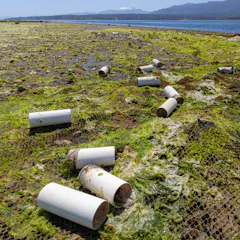
Growing demand for large salt-water clams is leaving parts of the B.C. coast littered with plastic debris.
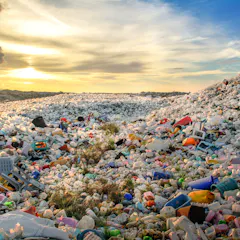
Without action, the amount of plastic waste produced globally could reach as much as 265 million tonnes per year by 2060.
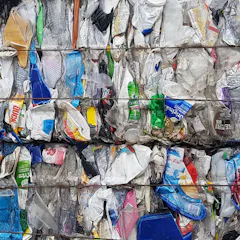
We need a global treaty to combat plastic pollution, but a small group of countries is blocking real action.

Snorkeling off the California coast, a high school student found heaps of golf balls on the ocean floor. With a marine scientist, she showed that golf courses were producing tons of plastic pollution.
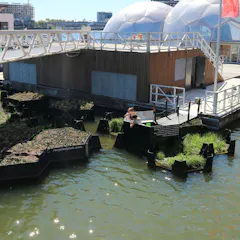
A floating park made from discarded plastic in Rotterdam could spark new thinking on how we manage waste.
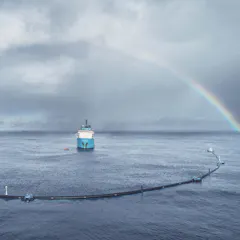
Research finds removing plastic from the ocean has huge economic benefits, even if there is little money to be made doing so.
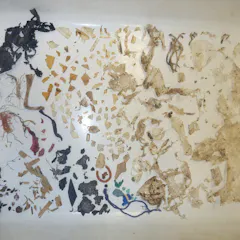
Autopsies of 1,000 turtles washed up on Australian beaches paint a grim picture of the impact of plastic debris. Even a single piece can be deadly, and on average 14 pieces equals a 50% fatality rate.
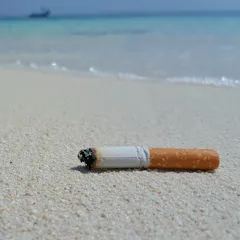
Microbeads from cosmetics are just a drop in the ocean. Other microplastics are more pervasive and just as dangerous.
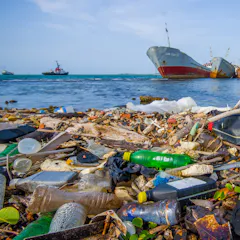
We should look instead at the successful fight to save the ozone layer.
Top contributors
-

Senior Principal Research Scientist, Environment, CSIRO
-
Senior Principal Research Scientist, CSIRO
-
Lecturer in Ornithology, Charles Sturt University
-
Senior Lecturer in Management, University of Kent
-
Professor of the Oceanography Institute, Universidade Federal do Rio Grande (FURG)
-
Professor of Coastal Oceanography, The University of Western Australia
-
Research Chair, Indigenous Approaches to Environmental Management, Keele University
-
Research Scientist, Oceans and Atmospheres, CSIRO
-
Research fellow, University of Leeds
-
Professor of Sustainable Development, Keele University
-
Research fellow, BehaviourWorks Australia, Monash Sustainable Development Institute, Monash University
-
Professor and Chair, Environment and Human Health, University of Exeter
-
Oceanographer, The University of Western Australia
-
Senior Lecturer in Animal Ecology, University of the Sunshine Coast
-
Director, BehaviourWorks, Monash Sustainable Development Institute, Monash University