
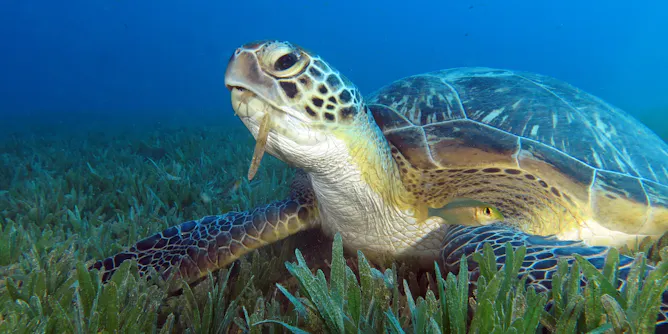
Global marine life is on the move with significant consequences – new study.
Articles on Mangroves
Displaying 21 - 40 of 85 articles

Any plan to dam or extract water from some of Australia’s last wild rivers must carefully consider the consequences. Prawn, mud crab and barramundi fisheries could suffer in the Gulf of Carpentaria.

Environmental degradation of Nigeria’s Niger Delta region is causing poverty as well as food insecurity, increased crime and conflict.
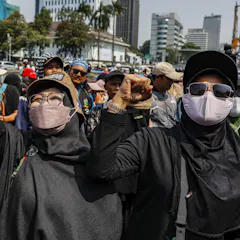
The international quest for green energy is reliant on ‘sacrificial zones’ in developing countries.
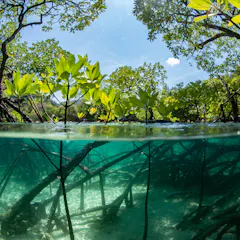
Mangroves do a surprising amount for us. But we’re often not looking after them. Here’s how we can protect these forests of the sea edge better.
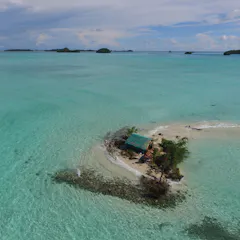
Rising seas are pushing coastal ecosystems to the limit of endurance. Now international research reveals a “tipping point” will be reached if we allow more than 2 degrees of global warming.
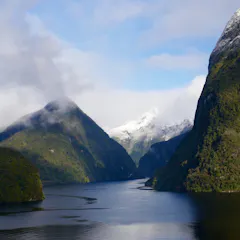
Marine sediments are the world’s largest store of carbon, and fiords in particular are a massive sink. But New Zealand doesn’t even have an oceans policy to develop blue carbon climate policy.
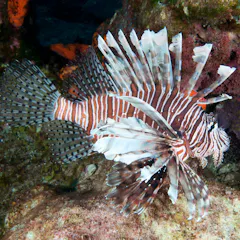
One of the most damaging invasive species in the oceans has breached a major barrier – the Amazon-Orinoco river plume – and is spreading along Brazil’s coast. Scientists are trying to catch up.

As the number of protected areas continues to grow, fisher households in Indonesia are still among the poorest of the poor.
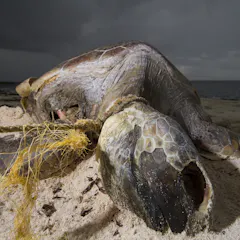
Remote islands in the Indian Ocean are now strewn with plastic waste – the origin of this waste has until now not been established.

Jordan is planning a major desalination plant on the Gulf of Aqaba – but will it damage nearby marine ecosystems?

By adapting and applying existing policies, South Africa can protect and restore its critical ‘blue carbon’ sinks.
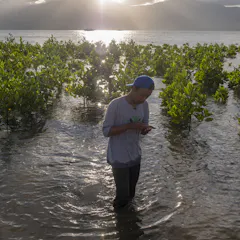
As the world’s largest archipelagic state, Indonesia has great potential to earn carbon credits to protect its endangered mangroves and seagrass – which now store around 17% of global “blue carbon”.
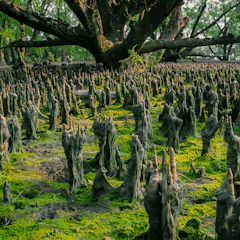
On the border between India and Bangladesh, the Sundarbans suffer from overexploitation and rising sea levels. With a “Climate Wall” project, a virtual museum is raising awareness and increasing resiliency.

Mangroves support a significant amount of biodiversity and their soils can capture a great deal of carbon.
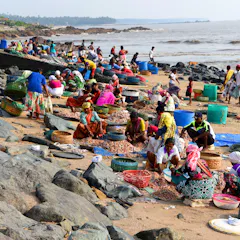
Facing human threats, Mumbai’s Koli community are taking risk reduction into their own hands – other vulnerable coastal settlements should take note.

Millions of mangroves died off along Australia’s northern coast. The cause? El Niño - and the moon’s wobbly orbit causing extremely low tides.
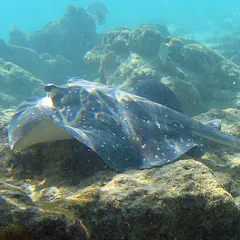
I attest these rather ordinary, mud-covered stingrays are beautiful, and I never tire of watching them. Unfortunately, they are at risk of decline and localised extinctions.
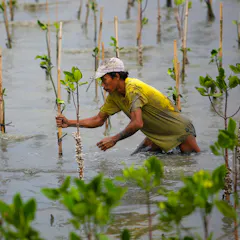
‘Blue carbon’ habitats can store a lot of carbon – but not reliably enough to offset emissions.
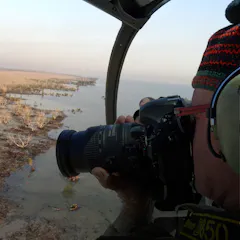
This event was the world’s worst incidence of mangrove tree deaths in recorded history. These photos show the devastating scale of this disaster.
Top contributors
-

Research Associate, Institute of Coastal and Marine Research, Nelson Mandela University
-
Professor of Biology, The University of Queensland
-
Professor, School of Natural Sciences, Macquarie University
-
Professor in the School of Geography and Sustainable Development, University of St Andrews
-
AXA Chair in Coastal Resilience & Research Professor, University of California, Santa Cruz
-
Postdoctoral research associate, Charles Darwin University
-
Assistant Professor, East Carolina University
-
Professor of Mangrove Ecology, James Cook University
-
Lecturer in coastal environmental sciences and sustainable development, Uppsala University
-
Honorary Adviser on Burma for the State of the Tropics, James Cook University
-
Senior Lecturer, Macquarie University
-
Assistant Professor of Bioscience at at Imam Abdulrahman bin Faisal University. With Ph.D from Kaust, King Abdullah University of Science and Technology
-
Associate Professor of Biology, Villanova University
-
Managing Director, Triple Helix Consulting; Honorary Professor, ANU Fenner School for the Environment and Society, Australian National University
-
Visiting Scholar, Global Development and Environment Institute, Tufts University