
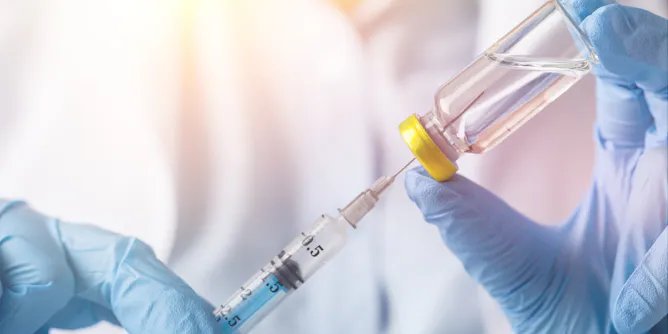
Researchers around the world are working hard to find a vaccine that is safe and effective.
Articles on Malawi
Displaying 101 - 120 of 189 articles
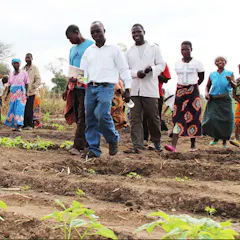
Local based approaches from farmers, researchers and entrepreneurs prove successful for innovation in Malawi.

It’s an achievement in itself that Malawi is holding its sixth multi-party national elections since its transition from dictatorship under former President Kamuzu Banda.
UN is seeking to halve global road deaths and injuries by 2020, but many poorer countries are moving in the wrong direction.

The mere presence of NGOs, no matter their size or aims, inadvertently reduced the legitimacy of local village headmen.
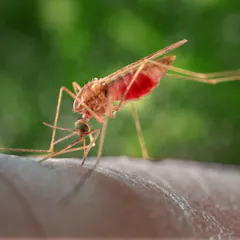
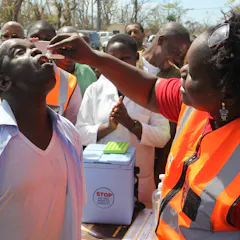
Given the high burden of malaria in sub-Saharan Africa, a partially effective vaccine is considered better than none.
Cyclone Idai showed just how unprepared SADC is to respond to major natural disasters.
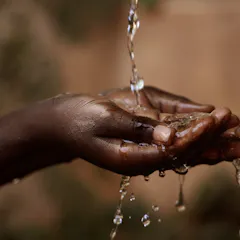
Decision making on water infrastructure in peri-urban areas is challenging. But lessons have been learnt from a water project in Mozambique.
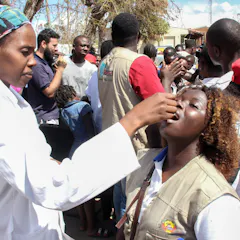
The flood waters caused by Cyclone Idai have receded. But in some ways, the problems for many of the countries affected, are just beginning.
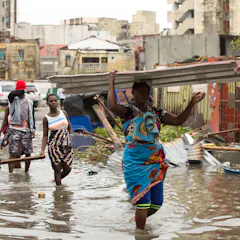
Cyclone Idai hit poor countries the hardest and shows why disaster resilience is a necessity.
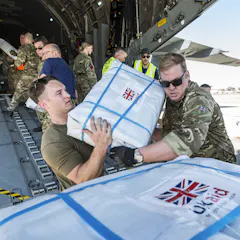
The international community responded quickly to Cyclone Idai as the African Union dragged its feet.
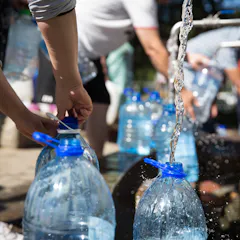
Cities need to pay attention to how extreme weather events effect their resources.
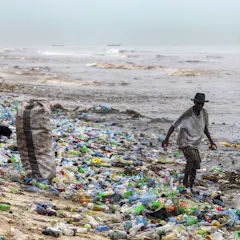
Focusing on everyday politics can help explain why powerful interest groups undermine policies that might improve the public good.
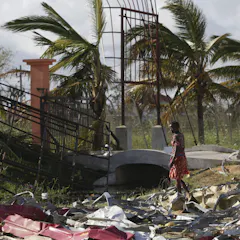
The lack of in-depth coverage of the southern African floods tell a grim picture of the state of South Africa’s newsrooms.
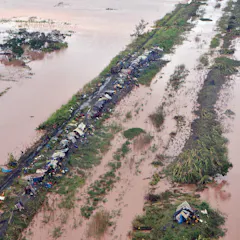
From New Orleans to Haiti to Mozambique, global inequality plays a major role in making disasters deadly.
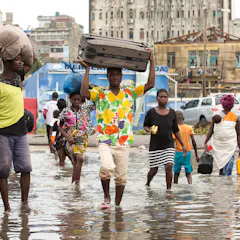
The recent storms provide a grim reminder of the prospect of future tropical cyclones in a region under continued threat from climate change.
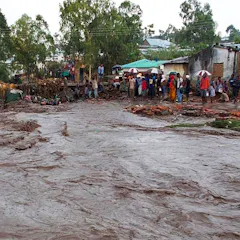
High poverty levels mean people lack access to land and work and they are often driven to settle in zones that are exposed to natural hazards.
Across Africa less than 10% of the population is connected to a sewer system. But the waste could be used elsewhere.
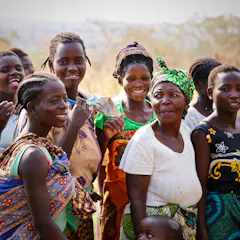
Female-centred health services are good, but they may detract from gender equality and men’s health.

Angola’s new President João Lourenço has shown some willingness to engage in more inclusive politics.
Top contributors
-

Professor of Epidemiology and Public Health, University of Malawi
-
Network and Research Manager: ARUA – UKRI GCRF FSNet Africa, University of Pretoria
-
Professor in Food Security; Head of the Department of Agricultural Economics, Extension and Rural Development, University of Pretoria
-
Professor of Economics, Centre for Competition, Regulation & Economic Development, UJ, and at SOAS University of London; advisor Shamba Centre for Food & Climate, University of Johannesburg
-
Research Scientist, African Population and Health Research Center
-
Professor, Public Affairs, The University of Texas at Austin
-
Senior Director, Transformation Strategies Department, International Food Policy Research Institute (IFPRI), CGIAR
-
Senior Research Fellow, Department of Anthropology, Durham University
-
Senior Lecturer in Media, Communication and Cultural Studies, University of Malawi
-
Director & SARChI Research Chair: Political Economy of Migration in the SADC Region, University of Pretoria
-
Researcher at Centre for Competition, Regulation and Economic Development, University of Johannesburg
-
Professor of Physical Geography, University of the Witwatersrand
-
Lecturer in Health Systems and Policy, University of Malawi
-
Professor of political science, Director of the Oslo SDG Initiative, Host of "In Pursuit of Development" podcast, University of Oslo
-
Dean's Professor of Sociology and Professor of Spatial Sciences, USC Dornsife College of Letters, Arts and Sciences