
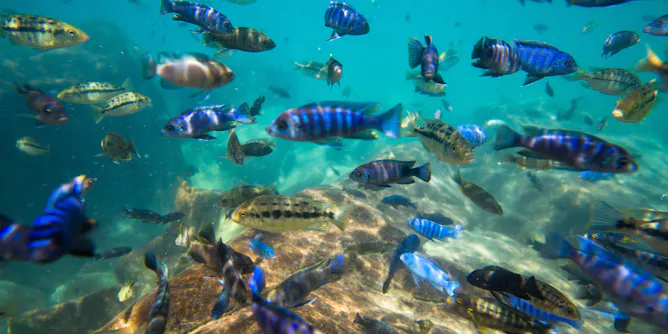
Lake Malawi is considered a biodiversity treasure because almost all its species occurs nowhere else on the planet.
Articles on Malawi
Displaying 121 - 140 of 189 articles

Liberian President George Weah believes the current citizenship regulations in the country are unnecessarily “racist” and restrictive.

It’s all too common for local scholars to be sidelined in what are supposed to be genuine research partnerships.

Non-Timber Forest Products don’t often feature in discussions about poverty reduction and alleviation.

Access to HIV testing is an important factor in reaching UN goals that 90% of people with HIV must know their status by 2020.
It’s one thing to come up with food security plans. But implementing them is tough.
Planning for rivers is one thing, but implementation is another as urbanisation and population growth increases.

In reality, cybersecurity attacks are like a disease affecting people globally.

Without contextual knowledge, education and adaptation, foreign or imposed practices or resources cause new sets of problems.
Without change, the trajectory of growth and development in the world will remain consistent with that of the past 80 years.
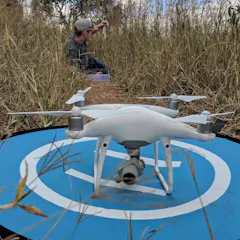
High-tech drones and low-tech ‘bucket and spade’ are helping Malawians fight malaria.

Children with disabilities face several challenges and need to be heard to make school infrastructure friendlier for them.
Africa has a real challenge when it comes to using academic research and evidence to design policies.
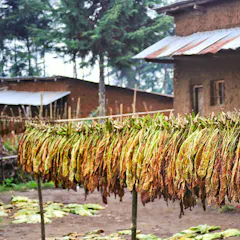
On World No Tobacco Day, the focus is usually on the health risks of cigarettes. But what about the way Big Tobacco exploits impoverished farmers in Malawi?

There are several projects and initiatives that offer hope amid all the bad news about African science.
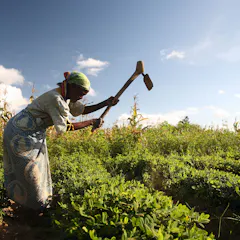
We found that even when women own land, their husbands are still perceived as household heads.
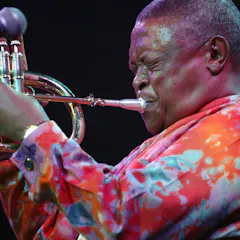
The protest song “Stimela” remains as much a song about present and future aspirations, as it is of the past.
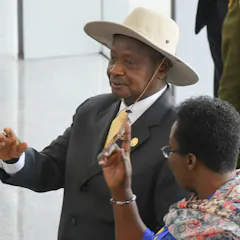
Not all African leaders are willing to be swept by the democratic reforms of the early 2000s.

Governments in Africa have done little to institute policies that improve awareness and protect people who have epilepsy.

Universities could mine alumni databases to improve individual institutions’ work - and raise funds.
Top contributors
-

Professor of Epidemiology and Public Health, University of Malawi
-
Network and Research Manager: ARUA – UKRI GCRF FSNet Africa, University of Pretoria
-
Professor in Food Security; Head of the Department of Agricultural Economics, Extension and Rural Development, University of Pretoria
-
Professor of Economics, Centre for Competition, Regulation & Economic Development, UJ, and at SOAS University of London; advisor Shamba Centre for Food & Climate, University of Johannesburg
-
Research Scientist, African Population and Health Research Center
-
Professor, Public Affairs, The University of Texas at Austin
-
Senior Director, Transformation Strategies Department, International Food Policy Research Institute (IFPRI), CGIAR
-
Senior Research Fellow, Department of Anthropology, Durham University
-
Senior Lecturer in Media, Communication and Cultural Studies, University of Malawi
-
Director & SARChI Research Chair: Political Economy of Migration in the SADC Region, University of Pretoria
-
Researcher at Centre for Competition, Regulation and Economic Development, University of Johannesburg
-
Professor of Physical Geography, University of the Witwatersrand
-
Lecturer in Health Systems and Policy, University of Malawi
-
Professor of political science, Director of the Oslo SDG Initiative, Host of "In Pursuit of Development" podcast, University of Oslo
-
Dean's Professor of Sociology and Professor of Spatial Sciences, USC Dornsife College of Letters, Arts and Sciences