
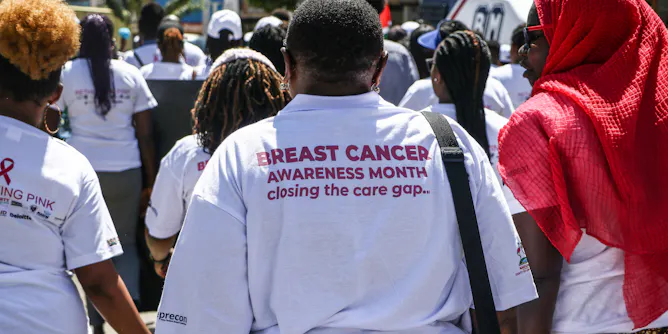
The confirmed presence of substandard or falsified anticancer medicines in sub-Saharan Africa will complicate cancer care.
Articles on Malawi
Displaying 21 - 40 of 189 articles

Without market data, countries can’t address hunger and food insecurity.
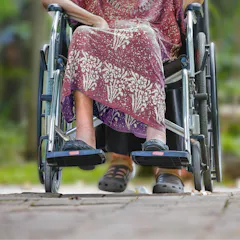
Women with disabilities can’t always make informed reproductive choices, and this can make them even more vulnerable.
A recently approved drug for malaria treatment offers hope to millions of children who suffer from the disease in Africa.
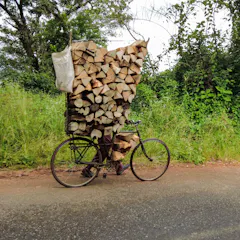
In rural Malawi, women influence discussions on how to combat climate change in communities that depend on forests for survival.
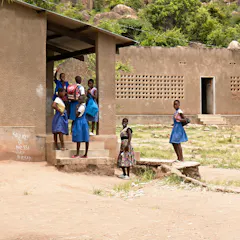
It was not pregnancy itself, but resource constraints, that kept Malawian girls from school during and after the pandemic.
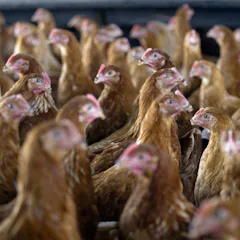
Competition issues are at the heart of the surge in prices and low production in Malawi and Zambia.
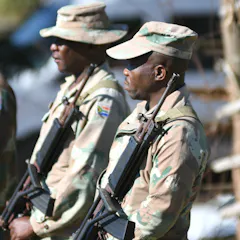
The Southern African Development Community intervention force in the mission in the DRC is outgunned and outmanned.
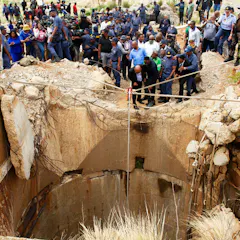
South Africa’s police have resorted to medieval military tactics against illegal miners. But the solution lies elsewhere: massive regional economic repair.
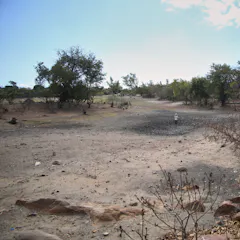
The drought is driven by El Niño, an unusual warming of surface waters in the eastern tropical Pacific Ocean that shifts weather patterns.
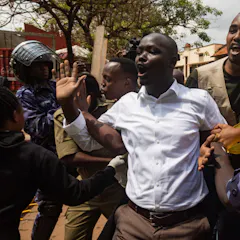
The most detrimental impact of political corruption is that it destroys the power holders’ incentives to curb it.
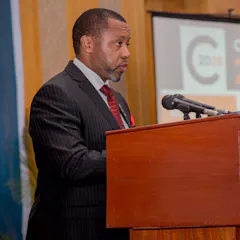
Malawi has lost an energetic, inspirational and progressive future leader.
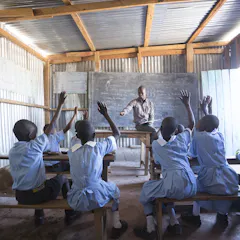
Improving school sanitation, reducing household chores, and addressing harassment and bullying could enhance girls’ reading performance relative to boys’.
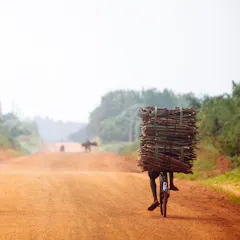
The study looked at who used a household bicycle, who didn’t, and why.

Transitions to diversified farming systems in Africa will require financial support. But barriers can be overcome.
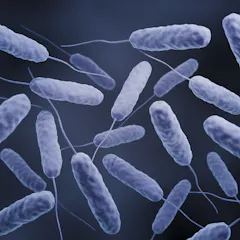
Severe weather such as drought and floods is contributing to cholera outbreaks in Africa.

Sweet sorghum has multipurpose post-harvest uses. It can produce grains, animal feed and sugary juice, making it unique among crops.
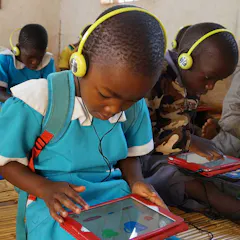
Child-directed educational technology can deliver high quality education for millions of marginalised children worldwide.
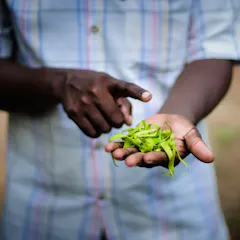
Biogas systems that generate cooking gas from plant waste can be relatively low-cost to set up. They come with environmental and health benefits for rural people who have only firewood to cook with.
Emotional, violent and sexual abuse are rife at an age when victims are scarred for life.
Top contributors
-

Professor of Epidemiology and Public Health, University of Malawi
-
Network and Research Manager: ARUA – UKRI GCRF FSNet Africa, University of Pretoria
-
Professor in Food Security; Head of the Department of Agricultural Economics, Extension and Rural Development, University of Pretoria
-
Professor of Economics, Centre for Competition, Regulation & Economic Development, UJ, and at SOAS University of London; advisor Shamba Centre for Food & Climate, University of Johannesburg
-
Research Scientist, African Population and Health Research Center
-
Professor, Public Affairs, The University of Texas at Austin
-
Senior Director, Transformation Strategies Department, International Food Policy Research Institute (IFPRI), CGIAR
-
Senior Research Fellow, Department of Anthropology, Durham University
-
Senior Lecturer in Media, Communication and Cultural Studies, University of Malawi
-
Director & SARChI Research Chair: Political Economy of Migration in the SADC Region, University of Pretoria
-
Researcher at Centre for Competition, Regulation and Economic Development, University of Johannesburg
-
Professor of Physical Geography, University of the Witwatersrand
-
Lecturer in Health Systems and Policy, University of Malawi
-
Professor of political science, Director of the Oslo SDG Initiative, Host of "In Pursuit of Development" podcast, University of Oslo
-
Dean's Professor of Sociology and Professor of Spatial Sciences, USC Dornsife College of Letters, Arts and Sciences