
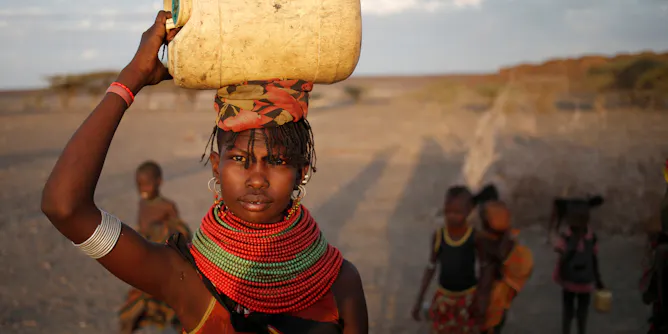
New ways of managing water have emerged in some of Africa’s urban and peri-urban areas.
Articles on Malawi
Displaying 141 - 160 of 189 articles
Too often developments in one country are seen in isolation. In southern Africa events in one affect others in the region.
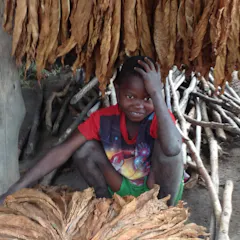
The tobacco industry claims that tobacco- growing is essential to the livelihoods of millions of small-scale rural farmers in Malawi, Zambia and Kenya. Research shows that’s untrue.
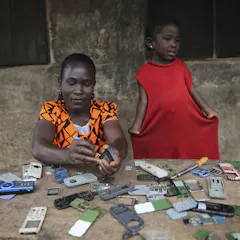
The extent to which mobile phones can support and sustain real improvement in young lives is depressingly finite unless significant interventions occur.

In a remarkable extension of technological leapfrogging, Somaliland will become the first country in the world to use iris recognition in a presidential election.
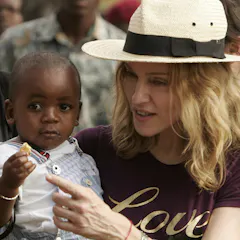
Voluntourists’ ability to change systems, alleviate poverty or provide support for vulnerable children is limited. They don’t have the skills and can perpetuate patronising and unhelpful ideas.

Africa’s broadcasters have a large role to play to ensure that country and western grows to its full potential on the continent.
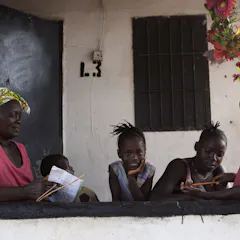
There’s no reason why small families shouldn’t become the norm in Africa. But this will depend on improving education opportunities for women and improving birth control policies.
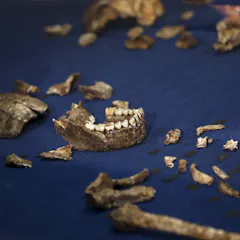
A rush of ancient DNA projects in Africa has presented the curators of archaeological skeletons with ethical issues because research requires the destruction of human bone.
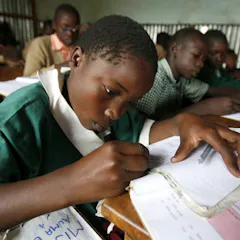
Do boys and girls from diverse cultural settings experience their transitions into adolescence? Their cultural differences don’t make a difference, but their genders do.
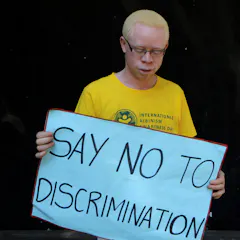
An upcoming UN meeting on witchcraft and human rights in Geneva is set to focus on the rising attacks on Albinos and the trade of body parts in sub-Saharan African.
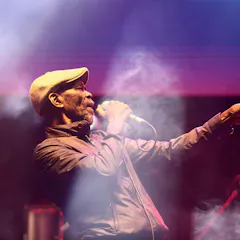
Two of South Africa’s finest musicians, Johnny Mekoa and Ray Phiri, died recently. The permeable terrain between genres their careers negotiated, is being replaced by rigid marketing categories.
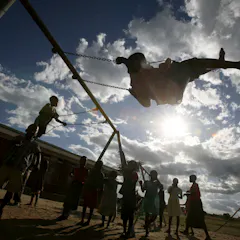
Malawi’s government wants schools to promote democratic principles. But there’s a contradiction between what students are taught and how they’re expected to behave.
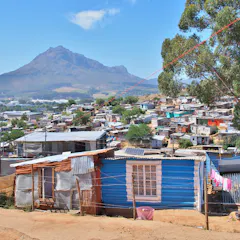
If resilience efforts don’t consider justice issues, they will end up making those who are the most in need the least resilient.

How do you teach empathy? Can it be in a way that foregrounds ancient, indigenous knowledge and practices? Design thinking might hold the answers.
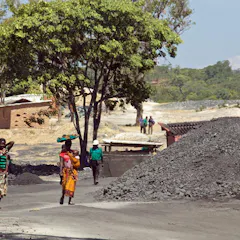
Eight Tanzanians have been arrested in Malawi after looking into a uranium mine. They say the country has no right to flout the rule of law and to harass groups acting in the public interest.
The proposed change to Malawi’s electoral system is straightforward and makes logical sense. Yet it’s more complex and if adopted would revolutionise local politics.

Rhodesia’s white supremacists appealed to the white electorate by taking a stand against African liberation. Similarly, Donald Trump appealed to white Americans who feel overwhelmed by globalisation.
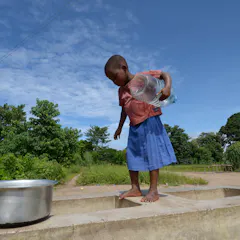
Understanding the connections between basic food demands and accessibility to water and energy is important when it comes to climate change and its impact on agriculture and livelihoods.
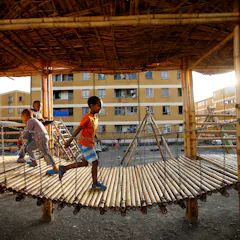
Poor childhood conditions, such as exposure to poverty and stunting, are associated with long-term disadvantages to health, education, social adjustment and earnings.
Top contributors
-

Professor of Epidemiology and Public Health, University of Malawi
-
Network and Research Manager: ARUA – UKRI GCRF FSNet Africa, University of Pretoria
-
Professor in Food Security; Head of the Department of Agricultural Economics, Extension and Rural Development, University of Pretoria
-
Professor of Economics, Centre for Competition, Regulation & Economic Development, UJ, and at SOAS University of London; advisor Shamba Centre for Food & Climate, University of Johannesburg
-
Research Scientist, African Population and Health Research Center
-
Professor, Public Affairs, The University of Texas at Austin
-
Senior Director, Transformation Strategies Department, International Food Policy Research Institute (IFPRI), CGIAR
-
Senior Research Fellow, Department of Anthropology, Durham University
-
Senior Lecturer in Media, Communication and Cultural Studies, University of Malawi
-
Director & SARChI Research Chair: Political Economy of Migration in the SADC Region, University of Pretoria
-
Researcher at Centre for Competition, Regulation and Economic Development, University of Johannesburg
-
Professor of Physical Geography, University of the Witwatersrand
-
Lecturer in Health Systems and Policy, University of Malawi
-
Professor of political science, Director of the Oslo SDG Initiative, Host of "In Pursuit of Development" podcast, University of Oslo
-
Dean's Professor of Sociology and Professor of Spatial Sciences, USC Dornsife College of Letters, Arts and Sciences