
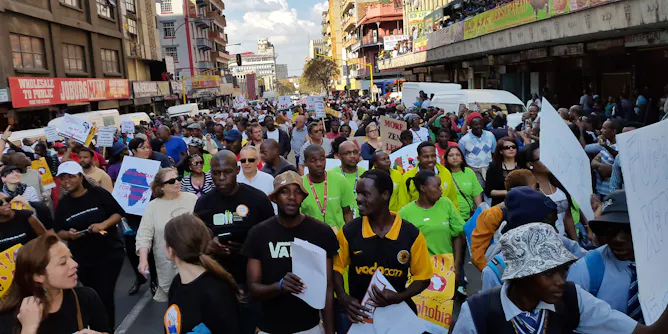
South Africa’s history shows that anti-immigrant violence is neither an aberration nor the country’s only possible path.
Articles on Malawi
Displaying 1 - 20 of 189 articles
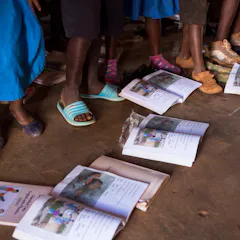
Why are some pre-primary education programmes more successful than others?

How the re-elected government uses its new dominance will influence Zambian politics well beyond this election.
For many Malawians living in acute poverty, elections provided an opportunity to secure much-needed relief.
A child born into a community with a history of political unrest is at higher risk of abuse as they grow into a young adult.
USAID’s closure, while painful and damaging, might give rise to a new arrangement beyond aid.
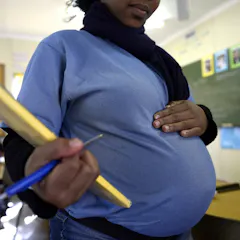
Programmes to address transactional sex need to be customised. The drivers change from country to country.
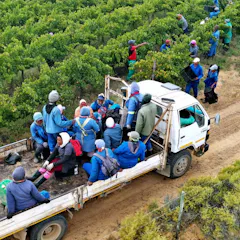
Global supply chains lead to companies capturing most of the value, while suppliers – and especially workers – get a much smaller share.
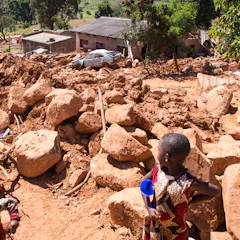
Disaster recovery agencies and governments must pay more attention to survivors’ invisible losses: grief, broken communities and disrupted identities.
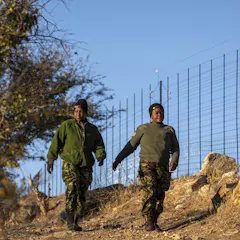
Nature reserve fences can protect wildlife and people, but they also break up natural landscapes, restrict animal movement, and affect nearby communities.

Over 100,000 water handpumps in rural sub-Saharan Africa are broken, leaving millions without safe water. Regular maintenance is cheaper than repairs.
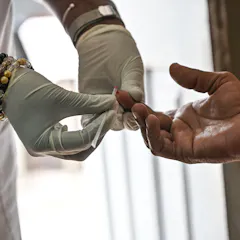
African countries must not sign away their health data or release their pathogens in exchange for donor funding.
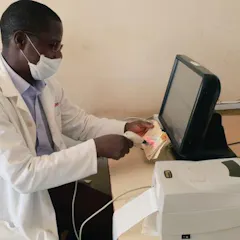
A simple solution of moving from paper to electronic records improved healthcare for many HIV patients.

‘Prophetpreneurship’ is a strategic blend of prophecy, charisma and business.
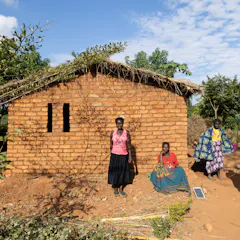
Even small solar devices that can power phone chargers and lights have made a difference in rural Malawi. Now, bigger and better solar systems are needed.

A new way of analysing fossils has revealed more about animals and environments of ancient times, when humans were evolving.

An ancient cremation would have been a community spectacle in a place returned to and reignited over many generations. What was behind this unexpected funeral ritual?

There’s a significant shift towards the recognition of customary rights and the strengthening of women’s land rights.
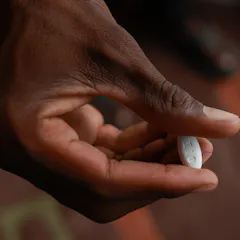
By integrating HIV care with non-communicable disease prevention and care, healthcare systems can help people living with HIV remain healthy.

Factors contributing to school violence are found in the family, the community and the school.
Top contributors
-

Professor of Epidemiology and Public Health, University of Malawi
-
Network and Research Manager: ARUA – UKRI GCRF FSNet Africa, University of Pretoria
-
Professor in Food Security; Head of the Department of Agricultural Economics, Extension and Rural Development, University of Pretoria
-
Professor of Economics, Centre for Competition, Regulation & Economic Development, UJ, and at SOAS University of London; advisor Shamba Centre for Food & Climate, University of Johannesburg
-
Research Scientist, African Population and Health Research Center
-
Professor, Public Affairs, The University of Texas at Austin
-
Senior Director, Transformation Strategies Department, International Food Policy Research Institute (IFPRI), CGIAR
-
Senior Research Fellow, Department of Anthropology, Durham University
-
Senior Lecturer in Media, Communication and Cultural Studies, University of Malawi
-
Director & SARChI Research Chair: Political Economy of Migration in the SADC Region, University of Pretoria
-
Researcher at Centre for Competition, Regulation and Economic Development, University of Johannesburg
-
Professor of Physical Geography, University of the Witwatersrand
-
Lecturer in Health Systems and Policy, University of Malawi
-
Professor of political science, Director of the Oslo SDG Initiative, Host of "In Pursuit of Development" podcast, University of Oslo
-
Dean's Professor of Sociology and Professor of Spatial Sciences, USC Dornsife College of Letters, Arts and Sciences