

Research has moved past the question of whether we can live longer. The new question is whether we’re willing to invest — seriously, equitably and early — in the things that will help us live better.
Articles on Longevity
Displaying 1 - 20 of 99 articles
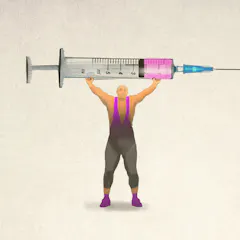
On top of the risks of injecting untested and potentially contaminated products, user error may make this runaway wellness fad even more dangerous.

Heliconius butterflies eat high-protein pollen and seem to age well.

Wellness clinics are supplying peptides and anti-ageing injections that aren’t approved, meaning they haven’t been checked for safety or effectiveness.

People who did around 90 to 120 minutes of strength training each week have a 13% lower risk of dying from any cause.

Boomer Lucinda Holdforth sides with younger generations in Going On and On – but neither youth nor old age are monoliths.
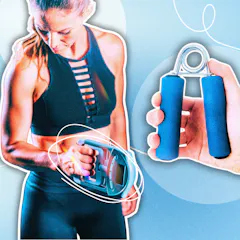
This sounds far-fetched. But what does the science say?

Visiting galleries might enrich your life, but the evidence that it slows your ageing is less certain than recent headlines suggest.
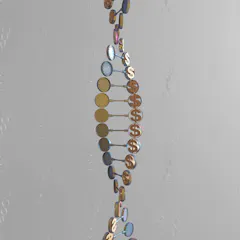
Epigenetic aging clocks allow scientists to study how populations age. They aren’t intended for individuals to make health decisions.

Some of the ancients were obsessed with living beyond 100. Here’s how they thought they could do it.

Certain lifestyle changes can help your gut microbiome help you age gracefully.

Analysis of mortality data spanning 450 regions in Europe is categorical: longevity across the continent is a two-tier affair.

New research estimates genetic heritability of lifespan at 50% – double previous estimates.

Why genetic influence on lifespan appears to have doubled.

Movement is key to healthy aging, and Philadelphia offers pros and cons for seniors getting around the city.

While we can’t control everything that impacts our health, making room for a more positive outlook in life can help support both wellbeing and longevity.

The fascinating exceptions in the animal kingdom to patterns of longevity.
Your smartwatch could soon count every heartbeat you ‘spend’ each day. But would that number actually mean anything?
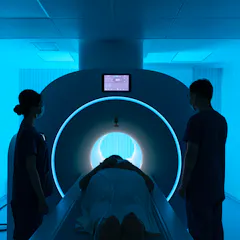
One big risk is overdiagnosis: the more you test, the more you’ll find. Much of this may be clinically irrelevant, meaning unnecessary follow-ups, costs and anxiety.

Vladimir Putin and Xi Jinping were recently caught discussing whether organ transplants could help a person live forever. The idea has scientific and ethical flaws.
Top contributors
-

Professor of Biogerontology, University of Brighton
-
Reader in Ageing Physiology, University of Westminster
-
Associate Professor, Epidemiology, Karolinska Institutet
-
Associate Professor, Epidemiology, Deakin University
-
Senior Lecturer in Animal Science, Nottingham Trent University
-
Professor of Metabolic Medicine, University of Glasgow
-
NIHR Academic In-Practice Fellow, UCL
-
Professor of Gerontology and Public Health, Brunel University of London
-
Professor in Organisational Behaviour & Human Resources, University of Hull
-
Relaciones Institucionales de The Conversation España. Catedrático de Geografía Humana., IE University
-
Adjunct Lecturer, School of Law, University of Notre Dame Australia
-
Research Lecturer, School of Ocean Sciences, Bangor University
-
Professor emeritus, Queen's University Belfast
-
Adjunct Professor, Curtin Law School and Curtin Business School, Curtin University
-
Associate Professor in Biology and Biomedical Science, Aston University