

COVID-19 is the third-leading cause of death in Canada, but it’s older people who are dying. That we accept this and carry on as if the pandemic is over reveals our ageism: We don’t value older people.
Articles on Long-term care
Displaying 21 - 40 of 63 articles

Privatization is an idea that — like a zombie —just won’t die. It’s re-emerging with calls to solve the long-term care crisis with for-profit care homes. Evidence refutes the same old arguments.

The long-term care sector is currently being held together by a very vulnerable workforce, and is at risk of failing without immediate solutions.

The future of our health system depends on recruiting and retaining passionate and highly skilled health-care workers. It’s essential to build work environments where they feel supported and safe.

Canada’s whistleblowing laws aren’t working, and governments don’t seem to care. This puts all of us at risk.

Delirium doesn’t just harm vulnerable seniors. It prolongs hospital stays, ties up beds and clogs emergency rooms. Mandating senior-friendly hospital care protects patients and the health-care system.
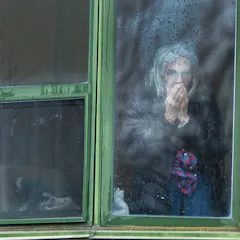
Family caregivers of residents in longterm care homes experienced a collective trauma as they were kept away from their loved ones during the pandemic. This isolation has long-ranging impacts.

When political candidates talk about their long-term care proposals, let’s remember there isn’t much point unless we recruit and adequately compensate enough workers to care for our loved ones.

Ontario voters can bring about change by prioritizing people over profits and casting our ballots for those committed to transforming long-term care into a non-profit model focused on care.

Residents of group homes and long-term care are at high risk for COVID-19. But an important aspect has been left out of Public Health Ontario’s guidance for these facilities: indoor air quality.

It’s time to complete the picture and recognize public expenditures on supports for family caregivers as social investments in the well-being of individuals, families and communities

Our health-care system needs to respond in a more just, inclusive, caring and timely way to allow in-person final goodbyes from those who matter most to those at the end of life.

Coronavirus has disproportionately impacted the most vulnerable seniors. We need socially innovative solutions to redesign long-term care and help seniors age safely and with dignity.
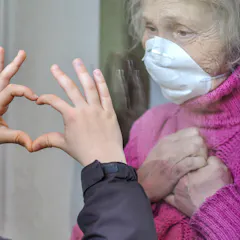
As people living in long-term care homes brave another lockdown, communication is key and the presence of family members (virtually or through the window) is needed.

We must support disabled people’s call to abolish long-term care and develop a national home care, palliative care and pharmacare system that funds and prioritizes their desire to live in communities.

The case for introducing a limit on how much people pay for their own care is clear. Figuring out how to calculate that cap, though, is complicated.

Universities can have a role forming age-conscious students: those who aren’t ageist, don’t fear aging and are attuned to the aging process.

A study shows the COVID-19 pandemic has made Canadians fear sub-standard and dangerous living conditions in nursing homes. They want home care, and tax policies that will support it.

National policies could improve long-term care, but major party election platforms do not address the pressing needs of seniors in care, even after the catastrophic toll of COVID-19 in care homes.
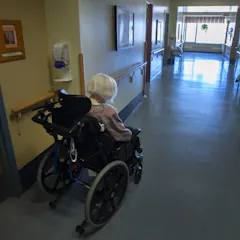
Research on the catastrophic effects of COVID-19 in long-term care homes is shedding light on avenues for positive change.
Top contributors
-

Professor of Gerontology, UMass Boston
-
Distinguished Research Professor of Sociology, York University, Canada
-
Senior Research Fellow and Lecturer of Gerontology, UMass Boston
-
Professeure titulaire en Sciences Economiques, Université du Québec à Montréal (UQAM)
-
Doctoral Candidate, Aging, Health and Well-being, University of Waterloo
-
Schlegel Research Chair in Geriatric Medicine, Associate Professor, University of Waterloo
-
Assistant Professor, Economics, Carleton University
-
Research director (CNRS), Toulouse School of Economics – École d'Économie de Toulouse
-
Assistant Professor, Department of Finance, HEC Montréal
-
Associate Professor, Family Medicine, Queen's University, Ontario
-
Associate professor, Department of Recreation and Leisure Studies, Brock University
-
Associate Professor | Schlegel Chair in Clinical Epidemiology & Aging | Canada Research Chair in Integrated Care for Seniors, McMaster University
-
Assistant Professor, Economics, University of Groningen
-
Masters Student, Social Work, Research Assistant, University of Waterloo
-
Associate Professor, King's University College at Western University, Western University