
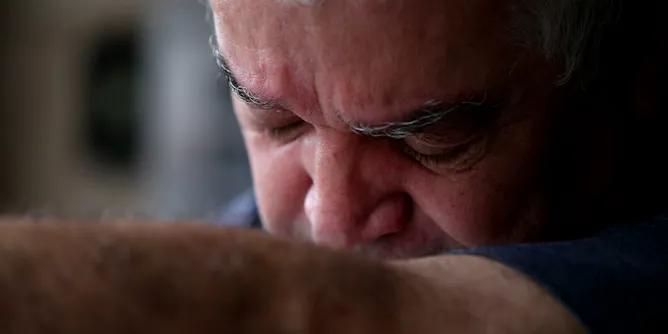
Half of older adults surveyed faced adversity after 60, with abuse and isolation linked to worse physical and mental health.
Articles on Loneliness
Displaying 21 - 40 of 246 articles

For some men, being in a sexual couple is understood as a key marker of masculinity.

New evidence helps explain why loneliness at work matters, and how organizations can respond.

When a hobby becomes something larger, with a focus on improving skills and developing deep knowledge, it can deliver surprising rewards.

Winter shifts people indoors and inward. While this may reduce incidental social contact, connection can be maintained through deliberate routines and low-threshold forms of engagement.

Research suggests the benefits of canine companionship go well beyond festive cheer.

The pressure to be joyful can make Christmas feel isolating. A psychologist explains how you can find connection on your own terms.

Managers can feel isolated as they move up the professional ladder – and it has implications for how well a workplace functions.

Social media is often blamed for loneliness, but a large new review suggests that when people share authentically online, it can actually strengthen relationships.

Every time we choose people over convenience, we invest in community. The real question in our homes, workplaces and democracies is whether we are willing to pay that price.

Guidelines for social well-being can help health care providers identify when someone is socially isolated and provide goals and standards for policymakers.

If your friend circle has shrunk, you’re not alone – and reaching out is easier than you think.

In regional NSW, 1 in 3 people experienced food insecurity in the past year. The rate was double for those who were socially isolated or had a mental illness.
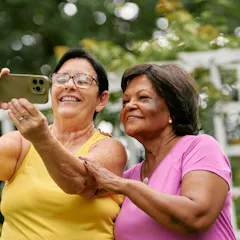
Most people have treasured old friends they’ve failed to remain in contact with, but only a small percentage are willing to reach out. Why?
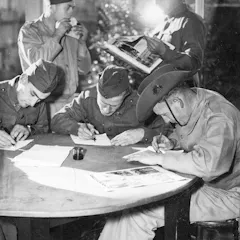
Loneliness is a common emotion in letters written by Australian service personnel and their loved ones.

New research looks at a unique model in South Australia where an aged-care facility is co-located with a childcare centre. Here’s what the researchers found.

Return-to-work tensions reflect deeper questions about how different people work best and what modern organisations actually need to succeed.

While our culture is very different from Shakespeare’s London, his plays — and those by others — still carry the potential to bring people together and help us think deeply about our shared experience.
When people listen to music, they’re more likely to imagine social interactions.

You may feel lonely even with strong friendships if you lack deeper connection, shared identity or a sense of community. It doesn’t mean you’re ungrateful.
Top contributors
-

Associate Professor, Sydney School of Public Health, University of Sydney
-
Assistant Professor in Health Sciences, Simon Fraser University
-
Senior Research Fellow, Matilda Centre for Research in Mental Health and Substance Use, University of Sydney
-
Professor Applied Social and Policy Research; Director, Centre for Loneliness Studies, Sheffield Hallam University
-
Professor, Academy of Geography, Sociology and International Studies, Hong Kong Baptist University
-
Professor of English, University of Connecticut
-
Professor of Gerontology and Public Health, Brunel University of London
-
Professor & Director, Hub for Apple Platform Innovation (HAPI), School of Computing Technologies, RMIT University
-
Reader in Education with Psychology and Centre for Death and Society, University of Bath
-
Associate Professor, Social & Behavioural Health Sciences, Dalla Lana School of Public Health, University of Toronto
-
Professor of Urban Health and Environment, UNSW
-
Professor in Modern History and UKRI Future Leaders Fellow, King's College London
-
Lecturer in Sociology, Deputy Director of the Centre for Ageing and the Life Course, University of Liverpool
-
Professor of Cities and Planetary Health, ARC Future Fellow in nature-based solutions for loneliness, University of Sydney
-
Associate Professor of Psychology and Inclusion, University of Bristol