

Researchers compared the environmental footprints of several techniques used to make magnetic nanoparticles.
Articles on Life cycle assessment (LCA)
Displaying 1 - 20 of 31 articles
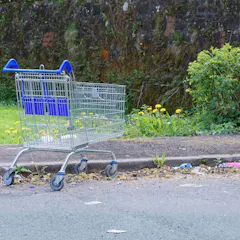
Most emissions can be avoided if trolleys are kept in circulation.
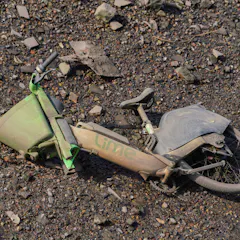
Electric bike batteries can be particularly dangerous and tricky to dispose of.

The free ecoSwitch app takes the guesswork out of sustainable food choices, empowering consumers to take matters into their own hands.

The last time that these two groups of cicadas emerged from underground together, Thomas Jefferson was president.

A study of dozens of city gardens and urban farms across the US and Europe found several ways to boost their benefits, not just for their neighborhoods, but for the planet.

The answer might surprise you.

It’s a plant that is nearly impossible to obliterate, but new research reveals the best way of tackling Japanese knotweed in the most sustainable way.

The concept of the carbon footprint can do more than just make us feel guilty about the climate cost of our everyday lives.
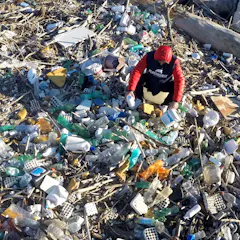
Global plastics production is set to double by 2040. The upcoming UN meeting is a chance for New Zealand to stake a stronger position on a proposed treaty to reign in plastic pollution.

In Canada, milk is available in jugs, cartons, bags and glass bottles. A new analysis reveals which type of container has the smallest environmental footprint — from container production to disposal.
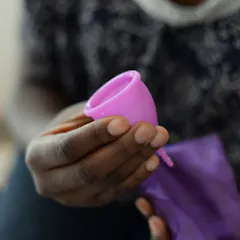
Menstruation cups are increasingly being used as an environmentally friendly alternative to tampons and sanitary pads.

This is a crucial dinosaur for palaeontologists; the variety of fossils available means researchers can study the species’ growth through its whole life span.

One of the largest groups of 17-year cicadas, Brood X, last emerged from underground in 2004. The next generation will arrive starting in April.

The process that brought you your morning latte could have produced half a kilogram of CO₂.
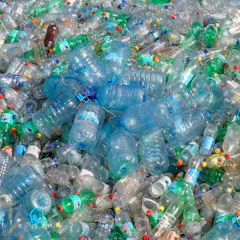
Life-cycle assessments of food packaging often omit the impact and possible toxicity of plastics leaking into the environment. Excluding these factors gives plastics an unjustified advantage.

All modes of high-speed travel come with a cost to the environment.
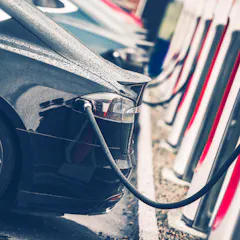
In New Zealand, where more than 80% of electricity is renewable, the carbon footprint of electric cars is 62% lower than that of fossil cars. But their lithium battery has other environmental impacts.

Automation can be a more efficient use of resources, but it may also mean people consume more.

The cycles of life, in their fierce glory, are reflected in a stunning exhibition of nature photography.
Top contributors
-

Senior Lecturer, Warsash School of Maritime Science and Engineering, Southampton Solent University
-
Senior Research Scientist of Ecology and Evolutionary Biology, University of Connecticut
-
Associate Professor, Te Kunenga ki Pūrehuroa – Massey University
-
Assistant Professor of Ecology and Evolutionary Biology, University of Connecticut
-
Associate Professor in Construction and Environmental Performance, The University of Melbourne
-
Professor emerita, Department of chemistry, Dalhousie University
-
Research Scientist Climate Smart Agriculture, CSIRO
-
Adjunct Associate Professor, Creative Arts, La Trobe University
-
Professor of Environment and Sustainability, University of Michigan
-
Adjunct Fellow, Institute for Sustainable Futures, University of Technology Sydney
-
Te Herenga Waka — Victoria University of Wellington
-
Research Professor Emeritus, University of Michigan
-
Research Fellow in the Centre for Environmental Strategy, University of Surrey
-
Adjunct Research Fellow, Institute for Land, Water and Society, Charles Sturt University
-
Honorary Associate Professor, Forest Measurement and Management, Fenner School of Environment and Society, Australian National University