
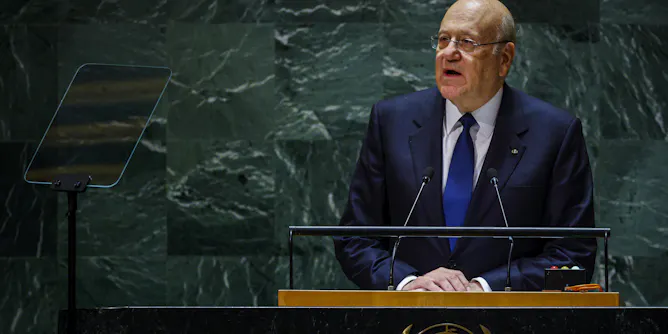
Lebanon has problems enough of its own without a major conflict on its border.
Articles on Lebanon
Displaying 141 - 160 of 220 articles
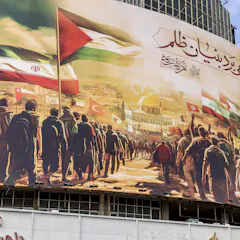
While Iran is wary of entering into direct war with Israel, Tehran has been lending support to Yemen’s Houthis, Irak’s Shia militias as well as the Lebanese Hezbollah.
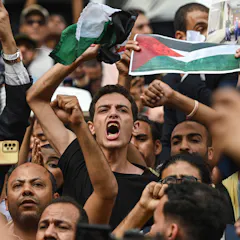
Countries like Egypt, Lebanon, Syria and Qatar all have a stake in the outcome of the war – but none want to be actively involved in fighting.
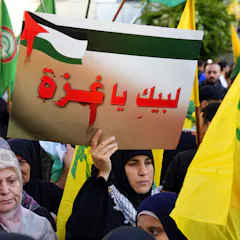
Hezbollah dominates Lebanon’s sectarian political system, giving the paralyzed government little choice if the militant group chooses to join Hamas’ war against Israel.
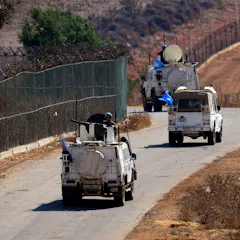
Hezbollah’s full involvement in the latest Israeli-Palestinian conflict would likely open up a regional war.
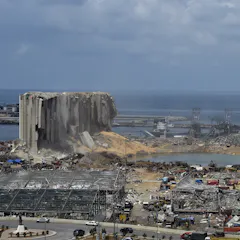
The charges against Hassan Diab and two other senior politicians will challenge the pervading culture of impunity in Lebanon.

Many displaced Syrians responded to harsh border controls by passing through permeable borders, using alternative routes and relying upon the use of smugglers and social networks.
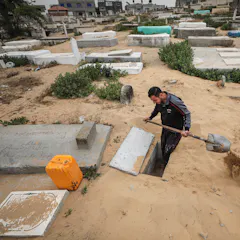
Political and economic forces across the Middle East and North Africa combine to mean well-educated young people spend years looking for work, which delays their independence and adulthood.
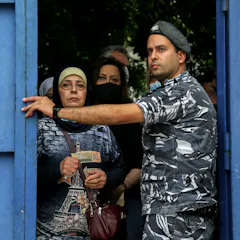
The election of independent parliamentarians in Lebanon is a move away from sectarian politics, say experts.
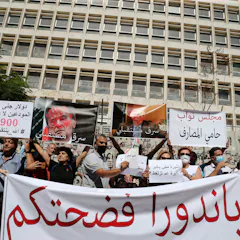
With fuel shortages and economic ruin causing havoc in the country, Lebanon is in dire need of help. But its supporters may have run out of patience.
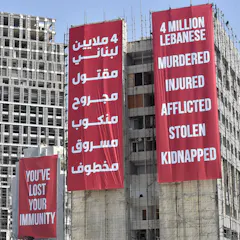
Lebanon is in the depths of one of the worst financial crises in history.
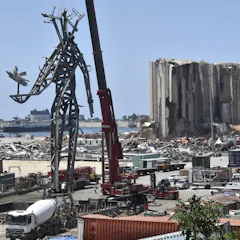
Lebanon is in trouble: a million Syrian refugees, one of the worst financial crises in more than 100 years and a corrupt and divided political system.
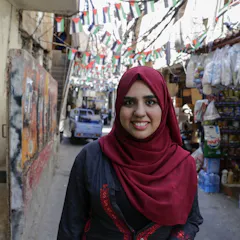
Paulo Freire’s concept of “conscientization”, or critical consciousness, helps us better understand the lives of young Palestinians, particularly those living in Lebanese refugee camps.
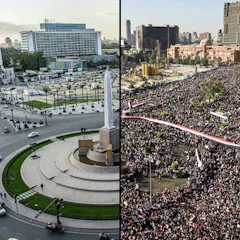
In the ten years since the Arab Spring, the countries affected have transformed completely. Here’s how.
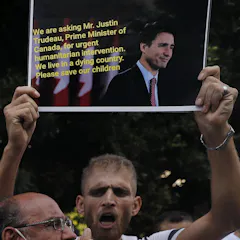
As countries around the world develop their own private sponsorship systems, they should acknowledge how elusive refugee status can be. Policy-makers should proceed accordingly.
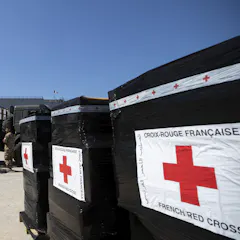
As foreign aid pours into Beirut, its uneven distribution reflects and exacerbates the pre-existing class and race fissures in Lebanese society.
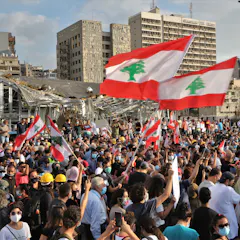
How can the international community help Lebanon’s people not its power-sharing regime?

I feel justified for leaving decades ago but my heart bleeds for the people trapped in Lebanon.
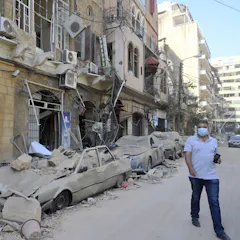
The disaster exposes wider failures of governance and comes amid a deep economic crisis.
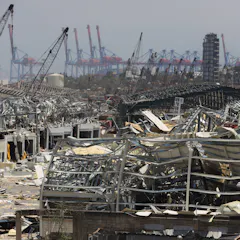
Torn apart by years of war and now effectively bankrupt, the country and its people are facing a new devastation.
Top contributors
-

Director of Dickinson Program in New Zealand & Associate Professor of Politics at the University of Otago, Dickinson College
-
Professor in Sociology, Queen's University Belfast
-
Professor of History and Peace Studies, University of Notre Dame
-
Senior Lecturer, Politics & International Relations, Monash University
-
Emeritus Professor of Middle Eastern Studies, Australian National University; The University of Western Australia; Victoria University
-
Professor of Political Science, Sciences Po
-
Professor of International Politics, Clinton Institute, University College Dublin
-
Lecturer in Comparative Politics, Queen's University Belfast
-
Scholar at Centre for the Study of Ethnic Conflict, Queen's University Belfast
-
Senior Lecturer
-
Associate Professor of Political Science, Aalborg University
-
Research Scholar, Middle East Studies, Australian National University
-
Associate Professor, Department of Political Science, Lund University
-
Postdoctoral fellow at Queen's University's Centre for International Policy and Defence (CIDP), Queen's University, Ontario
-
Assistant Professor of Migration Studies; Director of the Institute for Migration Studies, Lebanese American University