
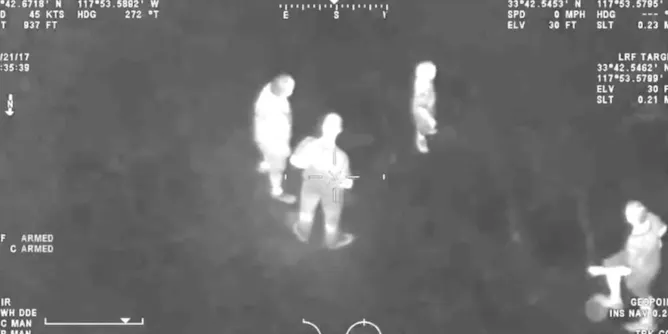
As we approach the 20th anniversary of the invasion of Iraq, it is important to reflect on the use of war footage in media and the ethical questions around the use of footage depicting human death.
Articles on Iraq War
Displaying 41 - 60 of 170 articles
While some progress has been made, the coalition forces abjectly failed to achieve their central goals. But Australia has an opportunity now to make good on its promises.

The U.S.-led invasion of Iraq in 2003 led to civilian death and displacement. Twenty years later, Iraqis are telling their stories of conflict and trauma as they move towards healing.
University students today are too young to remember the March 2003 start of the Iraq War, which has future foreign policy implications and changes how the conflict should be taught.
Soldier atrocities are shaped by our society, culture, and political fabric. Preventing them will require a comprehensive rethinking of policies, attitudes, and approaches to war.
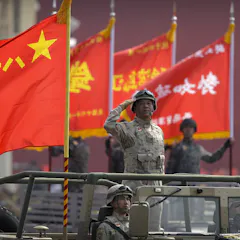
Hugh White warns of a potential war between the US and China, drawing lessons from the first and second world wars to explore how Australia might respond to such a conflict – and where to draw a line.
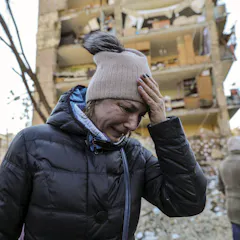
Russia denies targeting civilians. But it was the same with its bombing campaign in Syria.
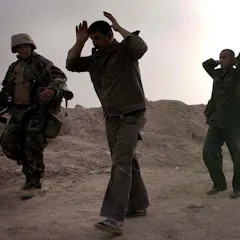
The most direct cause of America’s ongoing harrowing descent, including the rise of Donald Trump and his alliance with Vladimir Putin, began 19 years ago with the U.S. invasion of Iraq.
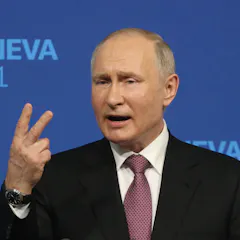
A military historian and U.S. Army veteran explains how wars are not easy to win – something political leaders often forget when looking at the calculus of conflict.
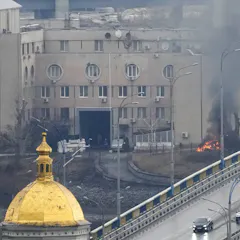
A western ‘do as I say, not as I do’ approach has helped provoke Vladimir Putin’s invasion of Ukraine.
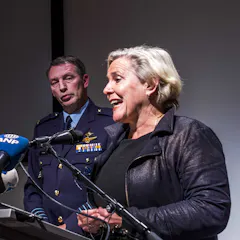
Western militaries all too often try to hide the fact of civilian casualties as they spoil the popular narrative of a “clean” war.
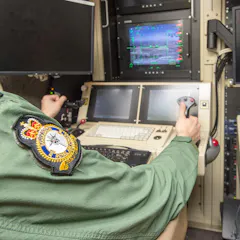
The technical and political issues at play in launching air attacks that may harm civilians.
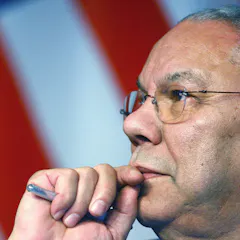
A scholar of African American studies explores how the former secretary of state, who died at 84, dealt with what WEB DuBois described as the ‘double-consciousness’ of being Black and American.
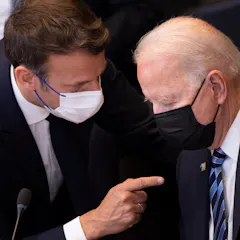
Despite a ‘major breach of trust,’ the recent spat between France and the US corresponds to a long cycle of conflict and rapprochement between the two countries.
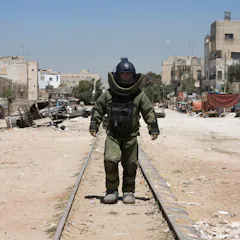
In a time of increasingly complex geopolitical entanglements and moral failings, these films articulate a yearning for unsullied heroism, effective leadership and appropriate responses to crises.
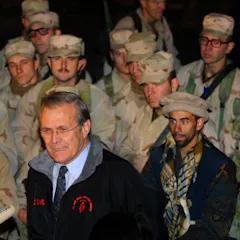
Ancient Athenians and Romans also let shared mass tragedies propel justifications for going to war – even when it wasn’t clear what that violence would solve.
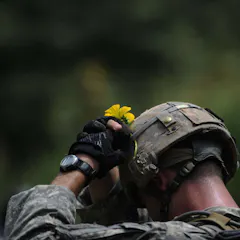
The act of killing in combat is associated with heightened risks of PTSD and suicide. A scholar interviewed 30 veterans about their common experiences.
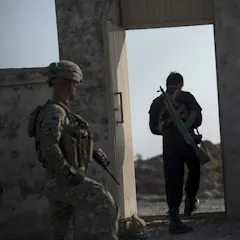
Following the completion of the US troop withdrawal from Afghanistan, Neta Crawford, the co-director of the Costs of War Project, reflects on 7,268 days of American involvement in the conflict.
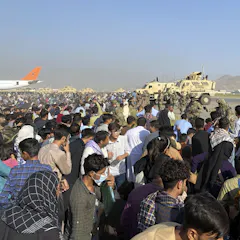
Secretary of State Antony Blinken said that the US Afghanistan pullout is not a repeat of failures in other recent wars. “This is not Saigon,” he said. A seasoned foreign policy expert disagrees.
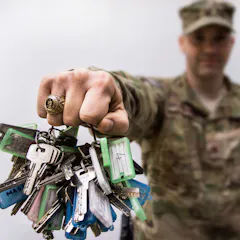
For much of the country’s history, Americans won their wars decisively, with the complete surrender of enemy forces and the home front’s perception of total victory.
Top contributors
-

Professor of Peace Studies, University of Bradford
-
Professor in the Department of Government, University of Essex
-
Assistant Professor of International Relations, University of Nottingham
-
Senior Lecturer in Security Studies, Birmingham City University
-
Professor in The Division of Global Affairs and The Department of Political Science, Rutgers University - Newark
-
Professor Emeritus, American University School of International Service
-
Associate Professor of History, UNSW
-
Director of Undergraduate Studies, School of Journalism, Media and Cultural Studies, Cardiff University
-
Professorial Fellow, University of Canberra
-
Senior Lecturer in International Human Rights Law at Queen Mary University of London, Queen Mary University of London
-
Associate Lecturer, Department of Politics, University of York
-
Assistant researcher, University of Sydney
-
Professor of International Relations, University of Leeds
-
Professor of Economics, Royal Holloway, University of London
-
Lecturer in Politics, Kingston University