
Operation Epic Fury is a US military operation. It will not be possible for the UK to exert any significant influence in planning.
Articles on Chilcot Inquiry
Displaying 1 - 20 of 25 articles

Of those polled in mid-January, 58% either strongly or somewhat support deploying UK troops as peacekeepers.
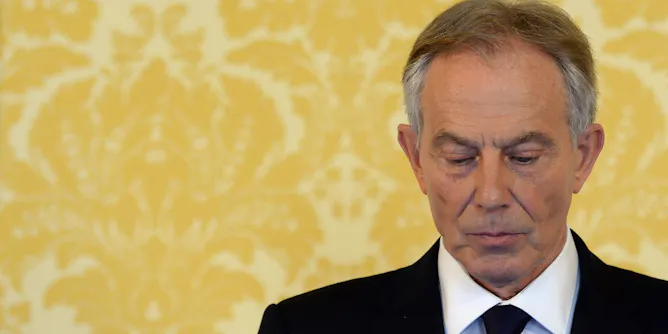
The former PM was criticised for making decisions without proper advice or consultation
As the world picks over the Iraq Inquiry’s final report, three fascinating character portraits have emerged.

When Attorney-General George Brandis was asked on Q&A about a parliamentary vote on the decision to go to war, he said that was not part of the Westminster tradition. Is that right?
Iraq’s supposedly sky-high child mortality rate was a key part of Blair’s case for war, and he was still making it years later – but it seems to have been based on a single dubious study.
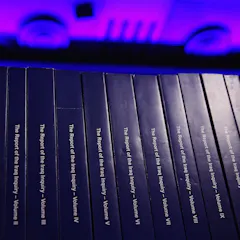
What has the Chilcot Inquiry actually achieved? Here’s what the experts had to say.
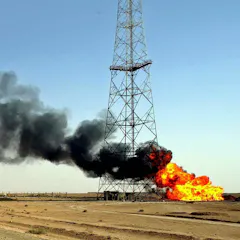
Iraq’s oil industry is a window into the troubled period that followed regime change.
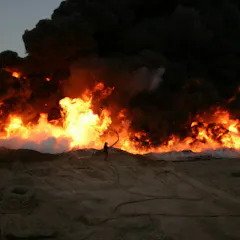
Oil wasn’t the conspiracy behind the Iraq War, but it was always in the mix.
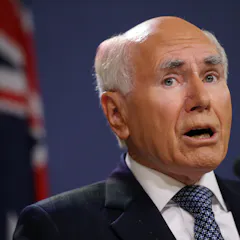
Former prime minister John Howard has stood by his decision to commit troops to the war in Iraq.
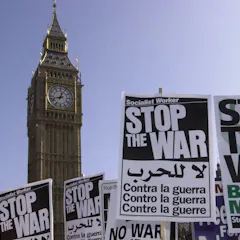
The anti-war movement was visible everywhere in the run-up to the invasion of Iraq – but it made fundamental mistakes that hamstrung its campaign.
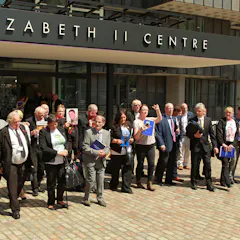
Compared with other attempts to mend deep wounds after wars and conflicts, the Chilcot Report falls depressingly short.

It is important to restore public trust in any future decision for Australia to go to war. For this, a system that provides better democratic accountability is essential.
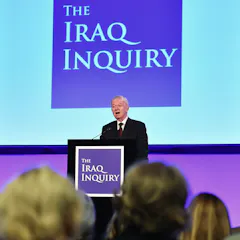
So now we know. Saddam Hussein didn’t present an imminent threat. He could have been contained. He didn’t have any weapons of mass destruction. And the consequences of the invasion were profoundly underestimated…
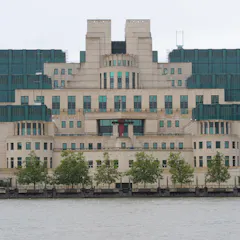
Intelligence on Iraq’s weapons of mass destruction was a core part of the case for war. The Chilcot Report has examined how it came to be so distorted.
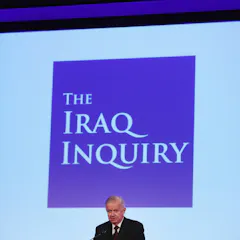
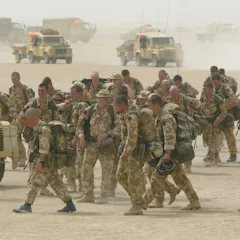
From faulty intelligence and inadequate oversight to disastrously poor planning, the Iraq War was a mess from the start.
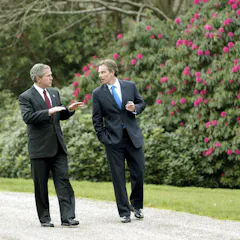
Tony Blair insists to this day that his decision to go to war in Iraq was made in good faith. Does that make him any less culpable?
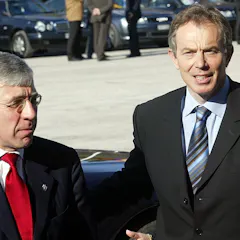
The Iraq Inquiry has found that the case for invading Iraq was far from watertight and made without proper care. Deception, however, is another matter.
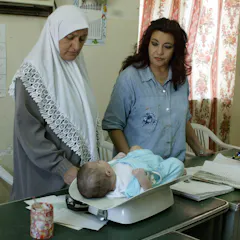
Most of the country’s 1,717 primary healthcare centres have no running water or electricity and the hospitals are ill-equipped and under-staffed.
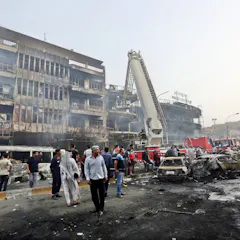
Too many people still believe that Iraq collapsed because there was no plan for it; others think the West has learnt from its mistakes. Wrong and wrong.
Top contributors
-

Associate Lecturer, Department of Politics, University of York
-
Assistant Professor of International Relations, University of Nottingham
-
Professor of Law, UNSW Law School, UNSW
-
Associate Professor, Nottingham Law School, Nottingham Trent University
-
Professor, Lancaster Law School, Lancaster University
-
Adjunct Professor, Australia-China Relations Institute, University of Technology Sydney
-
Director of Undergraduate Studies, School of Journalism, Media and Cultural Studies, Cardiff University
-
Professorial Fellow, University of Canberra
-
Lecturer in Law, Newcastle Law School, Newcastle University
-
Lecturer in Politics and International Relations, University of Exeter
-
Fellow in Foreign Policy Analysis and International Relations, London School of Economics and Political Science
-
Reader in International History, Queen Mary University of London
-
Lecturer in International Relations, Coventry University
-
Professor of Foreign Policy and International Relations, The Open University
-
Professor of Peace Studies, University of Bradford