

On the 25th anniversary of 9/11, many of the forces now shaping NZ foreign policy can be traced back to how the US responded to the terror attacks.
Articles on Afghanistan War
Displaying 1 - 20 of 115 articles
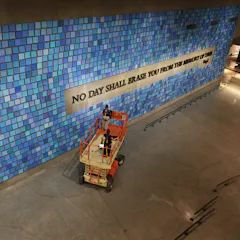
There is a strange nostalgia in realizing that something once so immediate now belongs increasingly to people who know it only as the past.
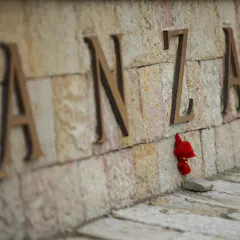
In an increasingly unstable world, building the defence relationship with Australia makes sense. But New Zealand has to safeguard its military sovereignty, too.

NATO members have been divided before. But the war in Iran could prove particularly troublesome for an alliance founded at the beginning of the Cold War.

Australia’s most decorated living soldier, who has always denied any wrongdoing, is facing criminal proceedings. The path to this point has been long and complex.
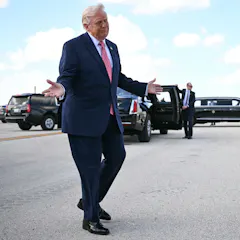
Throughout history, powerful militaries have been thwarted by smaller adversaries with more determination.
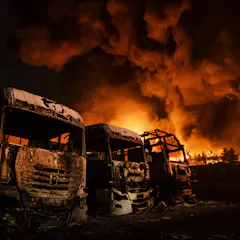
Trump’s Iran war is historically unique in one critically important way: Early on, the war is not popular with the American public.
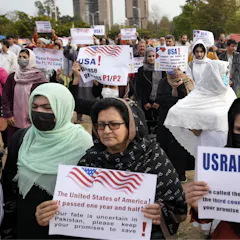
After a failed US intervention exposed Afghan civilians to Taliban threats, Washington is retreating from its humanitarian obligations.
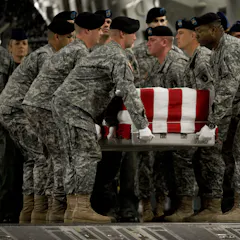
President Donald Trump should take notice: From Lyndon Johnson to George W. Bush, history shows leaders often pay a high political price when wars they start or expand become unpopular.
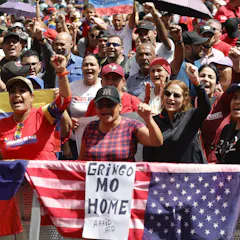
If Washington governs by force in Venezuela, it will repeat the failures of Afghanistan, Iraq and Libya: Power can topple regimes, but it cannot create political authority or legitimacy.
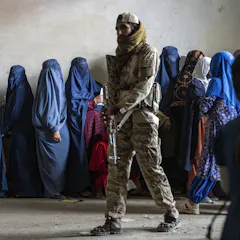
The Taliban have enacted laws that violate human rights since they returned to power. But a new edict goes further.
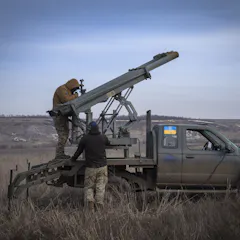
The Russia-Ukraine war highlights developments in modern warfare, which uses new weaponry alongside traditional methods of fighting.
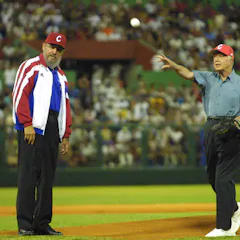
Beloved in his hometown of Plains, Georgia, Jimmy Carter became the 39th US president and used his office to make human rights a priority throughout the world.

The Biden administration has not ruled out diplomatic recognition of the Taliban. Doing so risks legitimizing the group’s rule without holding it accountable.
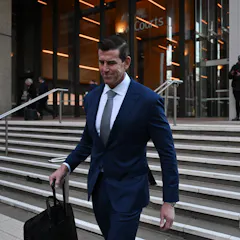
More broadly, this case shows how hard it is to use defamation law to repair any perceived damage to your reputation. Once a case begins, you never can control what will be said in court.

Evidence shows New Zealand’s first world war soldiers killed both surrendering and wounded German soldiers. Their actions, condoned at the highest level, cast a long shadow.

A US Air Force professor of philosophy weighs in on Prince Harry’s decision to disclose his ‘body count’ from his service in Afghanistan.
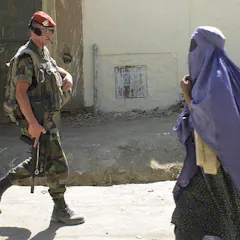
Pictures of women in war play a pivotal role in the battlefield of political ideas, argues a feminist historian who examines how images and attire are used and seen in war zones and occupied lands.

President Joe Biden signed into law the most expansive health care package for military veterans in recent history – despite initial GOP opposition.
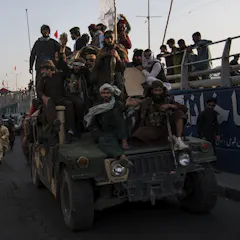
A new book by Australian photo-journalist Andrew Quilty records the last chaotic days of the failed American nation-building exercise in Afghanistan.
Top contributors
-

Professorial Fellow, University of Canberra
-
Director, Center for Afghanistan Studies, University of Nebraska Omaha
-
Tony Walker AM is a Friend of The Conversation.
Director, La Trobe University
-
Associate Professor of Political Science and Middle Eastern Studies, Indiana University
-
Professor of Anthropology, Emerita, Concordia University
-
Faculty Lecturer, Johns Hopkins University
-
Professor of Politics and International Affairs, Wake Forest University
-
Professor of Law, University of Waikato
-
Chair in Global Islamic Politics, Alfred Deakin Institute for Citizenship and Globalisation, Deakin University
-
Professor of International Security and War Studies, University of Southern Denmark
-
Associate Professor of International Relations and Women's, Gender, and Sexuality Studies, Stanford University
-
Education and Outreach Program Coordinator, University of Nebraska Omaha
-
Senior Professorial Lecturer of Global Governance, Politics and Security, American University School of International Service
-
Professor in The Division of Global Affairs and The Department of Political Science, Rutgers University - Newark
-
Assistant Professor of History, Penn State